
Asking Eric: Atheist offended by others’ prayers


Dear Eric: I’m writing this to get your opinion about something that has been bothering me for a while but has been exacerbated by the recent illness of my mother.
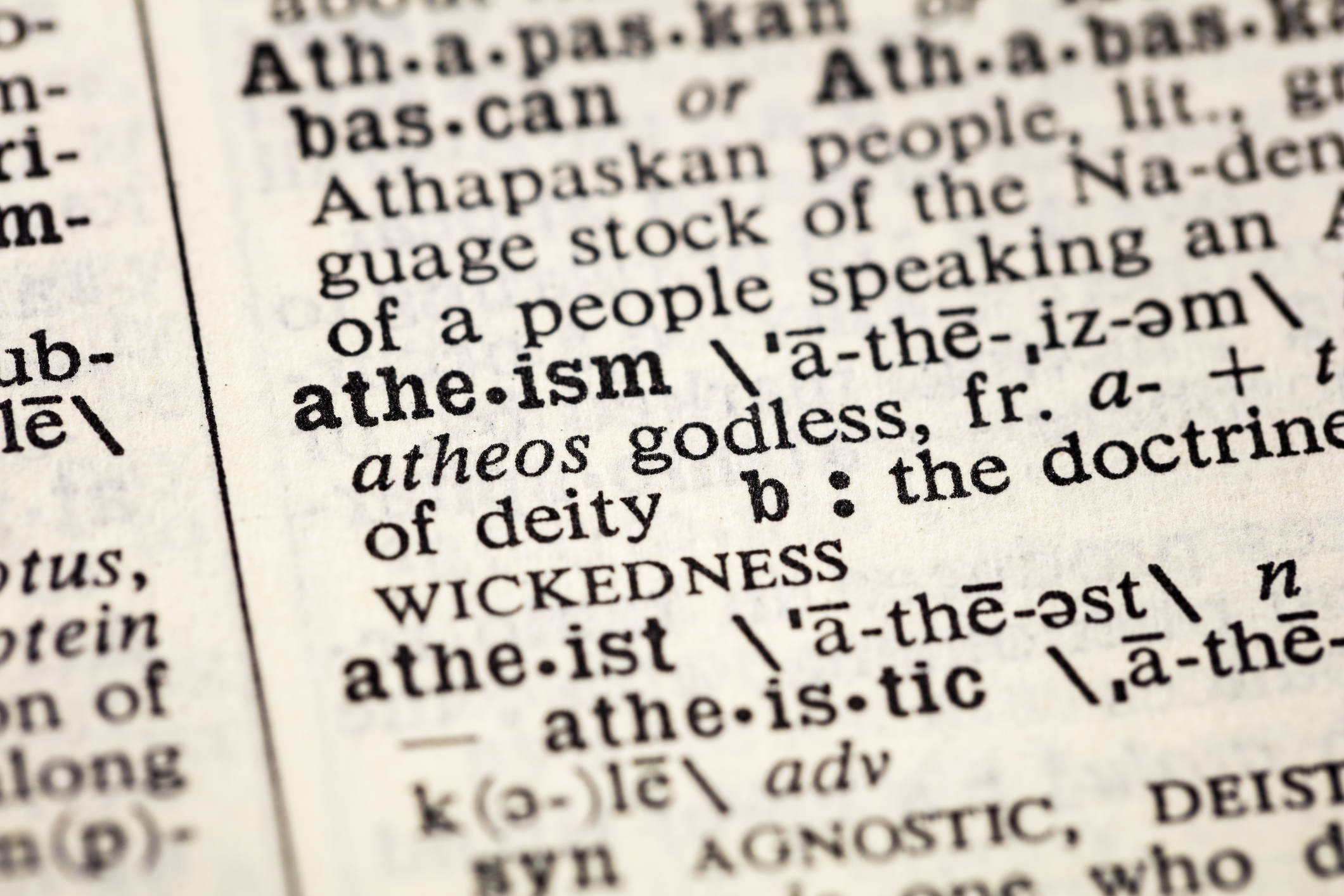
Although I was brought up Catholic, in my adult life I am a practicing atheist. I’m not one to ever bring that up unless in a safe environment to do so, or if I know I am among folks who lean the same way.
I am of the opinion that all should be allowed their own religious beliefs – however, proselytizing is and should be off limits.
As an atheist, I am offended when people say they will keep my mom in their thoughts “and prayers.” I sound unappreciative – I’m not at all and try to hint to my friends and family where I stand by replying or even stating upfront “please keep her in your thoughts” or “thanks for keeping her in your thoughts,” hoping people will get the hint. They usually don’t.
Is there a better way to humbly communicate how I’m feeling, without sounding ungrateful?
I am always careful, when the shoe is on the other foot, to say to those with sick loved ones, I will keep them “in my thoughts.”
Would those who pray appreciate me adding “but not prayers because I’m not that sort?” I think not, but I feel like they “push” their prayers on me!
– Semi-Closeted and Offended Atheist
Dear Atheist: Is it always clear to whom or what these prayers are being directed? That is to say, must it always be a prayer spoken to a god you don’t believe in, or is it possible that they could also be prayers sent up to the universe or nature or something else entirely? Perhaps that difference is a cold comfort to you, but often “thoughts and prayers” becomes a shorthand for well wishes or condolences.
It’s perfectly fair for you to ask others not to pray for you. But might be freeing to think of “and prayers” in the context of your mother less as proselytizing and more as friends expressing their own internal practice? Other people’s prayers aren’t necessarily a commentary on your beliefs. And if your mother does practice a religion, the comment may be more for her benefit.
It’s perfectly fine to say, “I am an atheist and I don’t believe in prayer, but I respect that you do and I thank you for the energy you’re sending my mother’s way.”
Dear Eric: You’ve received numerous letters from those who say their gestures of friendship are not reciprocated. Some friendships, like the example by “Uncelebrated”, whose friends didn’t recognize or celebrate a cancer battle, have spanned weeks, months, or even years of a seemingly one-sided promotion of the relationship with the lopsided sacrificial investment of time and energy. It boggles my mind that I have yet to hear two possible explanations: One, “introvert” versus “extrovert” personalities. And two, that the unresponsive “friend” doesn’t enjoy their company and would prefer to not meet with them.
I’ve yet to see you or others side with the friend who wants more space or even in some cases, apparently isn’t interested in continuing the relationship. My thought is, “they can’t take a hint.”
Your reply to “Uncelebrated” was that maybe they can “put this friendship to bed.” That can be done by giving them space and allowing them to make the next move (or not) to get together. Maybe after months (or years) they will notice that it has been a while and will reach out. I think for an introvert, a year of no contact feels like only a month, but for an extrovert, it’s the opposite.
– Give Me Space
Dear Space: I hear your point, but there have been many letters from people who write that they want space or don’t want to be in a relationship anymore. And my advice is often, if not always, “say it directly.” Because a hint is not an answer.
I’m reminded of the gameshow “Password” in which one contestant had to guess a word based on a one-word hint from the other contestant. Sometimes they got it, but many times they guessed wrong. That kind of communication breakdown is common in many relationships. We’re not in each other’s heads. So, if a person is an introvert and wants less contact, I encourage them to say that so their desire isn’t misconstrued. And conversely, if we’re confused about other people’s actions, we should ask about them, rather than guessing at a narrative in our minds.
This isn’t to say that giving someone space isn’t effective or warranted. But we get farther by telling someone, “I’m sensing that you need space. I’m going to honor that. But let me know if I’ve guessed incorrectly.”
(Send questions to R. Eric Thomas at eric@askingeric.com or P.O. Box 22474, Philadelphia, PA 19110. Follow him on Instagram and sign up for his weekly newsletter at rericthomas.com.)
©2026 Tribune Content Agency, LLC.












Comments