Millennial Life: The Invisible Forces that Keep the Doors Open
We're not southern enough to be yes, ma'am or no, sir, but I try to nudge manners into my kids' daily interactions with strangers. Today, I nudged him when I saw two women cross the parking lot and asked him to open the restaurant door. One of the women was older and one much younger, maybe a grandmother and granddaughter. The younger one smiled at him and said thank you as she walked through. The older one didn't acknowledge him at all.
At the table, my mom called it entitlement, but that didn't feel right. It's more that some people grow accustomed to moving through the world without noticing who is making it easier for them.
Doors open. Food arrives. Counters are staffed. Roads are paved. Someone picks up the trash. Someone answers the email. Someone stays late. Someone smooths the interaction enough that life feels seamless to another person, and after a while, that seamlessness starts to feel natural rather than human.
The minute life opens easily as routine, humans start mistaking accommodation for inevitability.
Sure, we feel like institutions are failing, but most of daily life still works because cashiers, teachers, neighbors, nurses, grandparents, waiters, city workers, and random strangers keep choosing civility even when systems strain. And in that system, some people experience social ease as natural law because they've rarely had to notice the labor behind it. Other people know, constantly, that society functions because human beings are choosing every day to soften it for one another.
Noticing the person holding the door is about more than manners. It's about recognizing that none of us actually move through the world alone. Some people have simply had the privilege of forgetting it. The granddaughter's brief "thank you" briefly restores personhood to the interaction; there was participation in a social exchange.
My son isn't a door mechanism. He's a child making a choice. The other woman may have moved through the interaction as though the ease simply existed for her, like automatic doors and invisible labor.
When life is constantly automated, public life can feel brittle. The loneliness of living in a society where people increasingly interact with services, systems, and conveniences as if no humans are attached to them at all. What still saves people, over and over, are individual acts of recognition.
Civilization is probably held together far more by small acts of acknowledgment than we like to admit. The neighbor who checks in when they notice your garage door open too late or the teacher who notices a sudden drop in grade. It's the nurse who stays gentle during hour twelve of a shift or the friend who answers more than just "K" to your rambling texts.
It's the little boy who holds the door.
The younger woman saying thank you stayed with me, not because I'm raising my son to expect praise for basic kindness, but because in that tiny moment, she acknowledged that another person existed on the other side of her convenience. He was part of humanity, not part of the infrastructure.
========
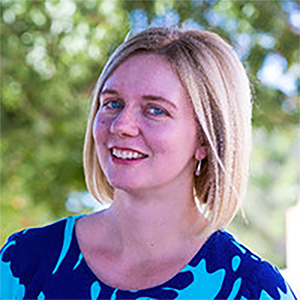
Cassie McClure is a writer, millennial, and unapologetic fan of the Oxford comma. She can be contacted at cassie@mcclurepublications.com. To learn more about Cassie McClure and read features by other Creators Syndicate writers and cartoonists, visit the Creators Syndicate website at www.creators.com.
Copyright 2026 Creators Syndicate Inc.




Comments