
Asking Eric: Newly sober friend won’t make amends


Dear Eric: My friend, “Jac” had a very public “meltdown” and was ordered to inpatient rehabilitation for his 20-year-long drug addiction. One year after his treatment, he has not changed and continues to hurt others and blame others for his many shortcomings. This is called being a “dry drunk,” when a sober person still behaves like someone in active addiction.
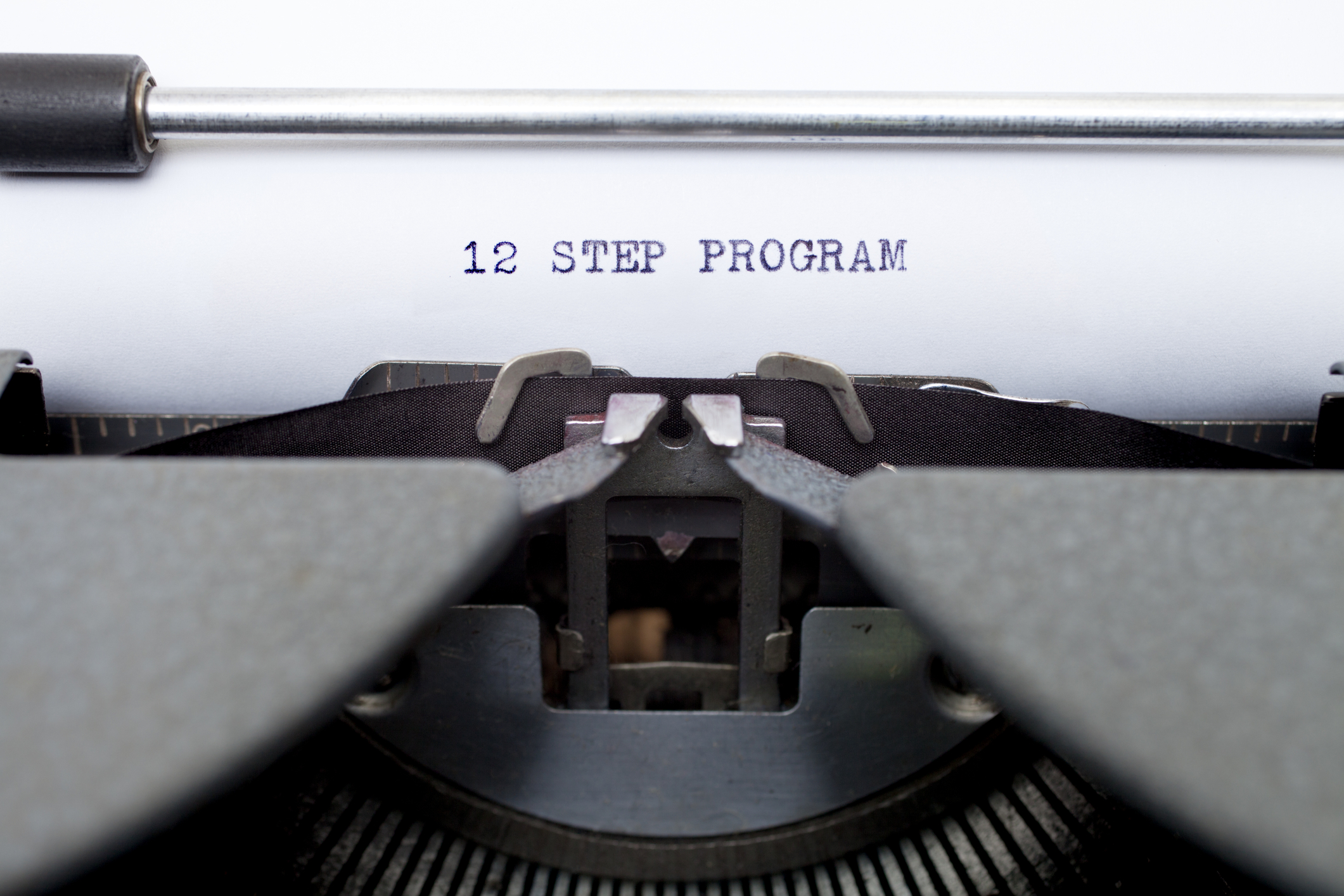
My friend thinks everyone should be very proud of him for “getting clean” but he is still the same person he has always been. How can his friends tell Jac that he needs to make major changes before we will “re-friend” him? He is working a 12-step program.
– Patiently Waiting for Steps 8 and 9
Dear Patiently: After 20 years of active addiction, it may take more than a year for Jac to put his life back together or to look at his behavior and his circumstances with true clarity. Sobriety is a journey that happens one day at a time, and it seems that he’s still working through some of the old behaviors that have caused him and others pain in the past.
It’s fine for you to set a boundary with Jac by telling him that you are proud of him for getting clean but that there are still issues between you that you need to work out before you can fully come back into his life. But it’s not your or your other friends’ responsibility to hold a friend-tervention of sorts. Jac needs to work on these challenges and shortcomings with his sponsor.
He may not understand the boundary that you’re setting at first. You can convey your pride, and support him as you’re able, while also keeping the distance that you need until he’s able to make amends.
Dear Eric: When I was a younger woman, I was in an abusive relationship. Out of it came one son, who is now over 50.
He is abusive, also. In his younger days, while still living at home, he attempted to hit me. Now that he is grown up, he says abusive things to me on our phone calls. The last time he expressed this behavior, I asked him not to call me.
He annoys me. I don’t miss the phone calls. However, I do wish him well.
Did I do the right thing? Please advise.
– No Calls
Dear No Calls: I’m sorry you experienced abusive mistreatment from your son and his father. It can be so hard to remove oneself from these situations, especially because abusers don’t respect boundaries.
It was right of you to ask your son not to call you. Through his actions he was showing an unwillingness or an inability to treat you with respect. A boundary like the one you put in place can often help to preserve the relationship, at a healthy distance. He now has the responsibility to address his abusive tendencies and then to make amends to you, should you be open to it.
That process would be harder, if not impossible, if you still had to put up with abusive phone calls from him. You can wish him well from afar while preserving your peace.
Dear Eric: I can identify with the letter writer who is unhappy after 40 years of marriage (“On the Cusp”). I have been married 62 years and though I truly love my spouse, retirement has brought out some negatives that were easier to overlook when we were both out of the house.
We have found that joining groups with different activities, volunteering and even working part time has helped us better prioritize our time and leaves less time for negativity.
We have more to talk about at the end of the day instead of focusing on each other and what makes us unhappy. The friendships we have developed over the years would truly be a huge loss if we were to separate and if On The Cusp finds some outside interests to involve both of them they can keep this marriage going through the rough patch.
– Been There, Done More
Dear Been There: Thank you for this great perspective. Marriages can be completely different in retirement, just as they’re completely different when raising children, or caregiving, or in many other phases of life. It can be helpful for couples to make a concerted effort to get to know each other again and to get to know themselves. I love that you and your spouse worked on enriching your lives and let that enrichment spill over into your union.
One other note on the original letter. A few people suggested that if the letter writer’s husband’s behavior has changed dramatically, the cause may be more complex than simply retirement. It may be worth getting a medical evaluation to rule out something more serious.
(Send questions to R. Eric Thomas at eric@askingeric.com or P.O. Box 22474, Philadelphia, PA 19110. Follow him on Instagram and sign up for his weekly newsletter at rericthomas.com.)
©2026 Tribune Content Agency, LLC.












Comments