On Nutrition: Thankful for fall (and winter) foods
Published in Nutrition
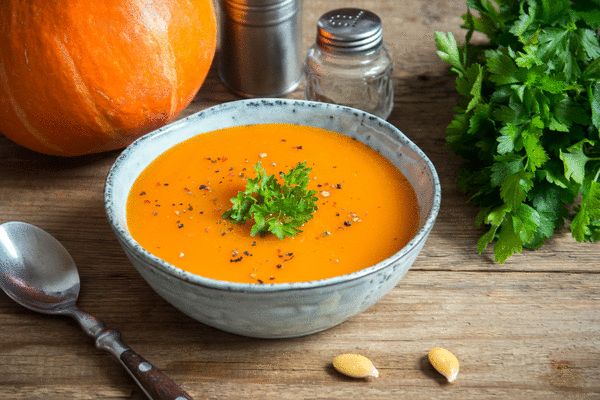
I offered to bring a meal to a friend recovering from surgery. She requested soup … something warm and soothing. I knew exactly what to prepare: butternut squash soup — one of my seasonal favorites.
Winter and fall squashes like pumpkin, butternut and acorn squash are so-named because their hard outer shells allow them to be harvested in cool weather and stored easily for a month or more if kept cool and dry. But don’t let their tough exterior scare you. Inside, you’ll find a flavorful treasure trove of important nutrients.
Hint: You’ll find these hard-shelled veggies easier to cut into after a quick 2 to 3 minutes in the microwave. Just make sure to cut off at least one end to allow steam to escape.
One of the most notable nutrients to be found in the bright orange interior of pumpkin, butternut and acorn squash is vitamin A (also known as beta carotene, which converts to vitamin A in the body).
Among its attributes, vitamin A is essential to vision and the prevention of blindness, especially in children in impoverished countries. This vitamin also fortifies our bodies to fight off infections during cold and flu season and keeps our skin healthy.
Winter varieties of squash are also versatile. Besides their yumminess in soups, they can be roasted, sautéed or mashed. And don’t forget spaghetti squash — named for its stringy insides that, when cooked, offer a low-carb and low-calorie alternative to traditional pasta.
Speaking of winter veggies, ever wonder how pumpkin pie became a Thanksgiving staple? History tells us that pumpkins were grown in England and likely brought to the New World with the first settlers. The veggies were known as “pumpions” in Britain, but when people traveled to America, they began to call them “pomkins.” They soon learned from Native Americans how to cultivate and store this valuable food to help them survive long winters.
In 1796, one of the earliest American cookbooks featured a recipe for “pomkin pudding,” which was made with pumpkin, milk, eggs, molasses and spices and baked in a crust. Apparently, the rest is history, as New Englanders began to prepare traditional foods once a year to commemorate their thankfulness for having survived that first winter at Plymouth Colony.
By the time President Abraham Lincoln declared Thanksgiving a national holiday in 1863, pumpkin pie was a known staple. Another big breakthrough came in 1929, when the Libby Company first introduced canned pumpkin to American cooks.
Which brings me to this: May this holiday bring to mind for each of us what our country has endured and how we have survived over the past 250 years. This Thanksgiving, in addition to the nourishment we receive from traditional and favorite foods, may we remember to give thanks for the many blessings we have received.
Have a wonderful holiday!
©2026 MediaNews Group, Inc. Distributed by Tribune Content Agency, LLC.









Comments