On Nutrition: What food costs
Published in Nutrition
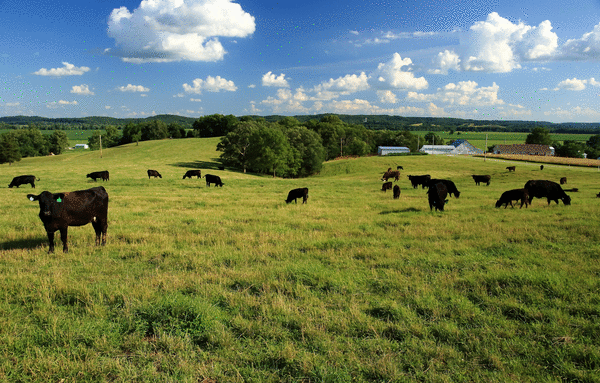
It’s harvest season in our small farming community. Rush-hour traffic around here is getting caught behind a truck hauling crops out of a field. It may also involve dodging a stray sugar beet, bean stalk or ear of corn on the road.
Our daily routine on the ranch also changes with the seasons. As shorter, colder days turn green pastures brown, it’s time to start feeding extra nutrients to horses and pregnant cows.
One of my jobs with cooler weather is to bring in four of our older horses every morning for some supplemental feed. Aging equines need extra calories and protein to help preserve their muscle mass and maintain their weight as they transition to the coming winter.
I love this special time with these faithful ranch horses. Cal was just 3 months old when I bought him and his mom at a ranch sale. He’s 21 now and eats a bit slower. But he still has the stamina of a 4-year old.
Jam and Shae are the matriarchs of the herd. Jam refuses to show her age and is still a beauty at 25-plus. Shae is a just few years younger and I’m amazed at her spunk when I ride her to deal with wayward cows.
Junior is our senior fellow and semi-retired. He can still pack a young grandkid for an occasional ride, however.
Our cattle need extra care in the changing season as well. Winter pasture grass must be supplemented with extra protein and minerals. And when the snow arrives, my husband fires up the tractor to haul large bales of hay out to our pregnant bovines.
Just a little over 1% of our U.S. population grows and produces the food that the rest of us expect to be there when we walk into a grocery store or restaurant, according to the American Farm Bureau Federation. And most (95%) farms and ranches are family-run operations.
Growing our food is not for the faint-hearted. It requires land and livestock, seed and feed, reliable equipment and people willing to do the work. And it involves a lot of prayer for nature to cooperate.
Is it lucrative? For every dollar we spend on food, a farmer or rancher’s share is about 12 cents, according to the USDA Economic Research Service. The remainder is for processing and marketing.
Whether you produce it or buy it (we do both), there is a price to pay for the food that nourishes and sustains every person on this planet.
When I feel the hit at the grocery store, I remind myself what it cost for me to have fresh apples from Washington or cantaloupe from Colorado to put in my basket. And I’m thankful that farmers and ranchers are willing to do what they do. That makes the cost worth it.
____
©2026 MediaNews Group, Inc. Distributed by Tribune Content Agency, LLC.







Comments