Senior Dogs and the Second Puppyhood
Published in Cats & Dogs News
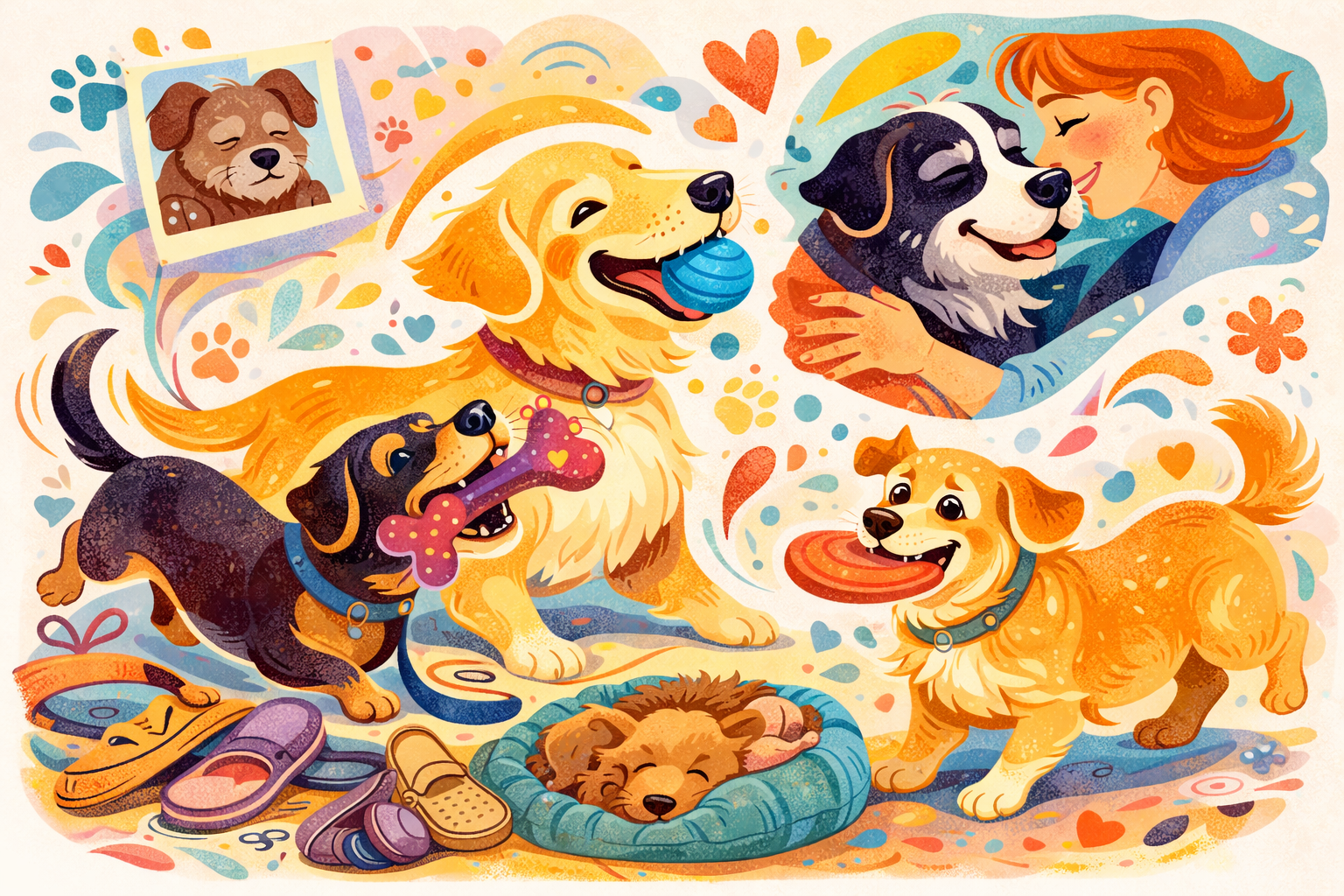
Aging in dogs is often framed as a slow narrowing of life: less energy, fewer adventures, quieter days. Yet many dog owners report a puzzling shift as their companions enter their later years. The once composed adult dog becomes sillier, clingier, more expressive, sometimes more anxious, sometimes more joyful. Old toys are rediscovered. Play bows return. Sleep patterns change. Affection intensifies.
This phase is often described, affectionately and somewhat inaccurately, as a “second puppyhood.” While senior dogs are not reverting to infancy, they are entering a distinct life stage marked by neurological, emotional, and social changes that reshape how they experience the world.
What Changes as Dogs Age
A dog’s senior years bring predictable physical changes: slower metabolism, joint stiffness, sensory decline. Less visible—but equally important—are changes in the brain.
As dogs age, neural pathways associated with inhibition and emotional regulation can weaken. At the same time, pathways linked to attachment, habit, and reward often remain strong. The result is a dog that may act more openly, more impulsively, or more emotionally than it did in middle age.
This is not regression. It is rebalancing.
Why Play Comes Back
Many senior dogs rediscover play behaviors that seemed to fade years earlier. Tug toys reappear. Short bursts of zooming happen after naps. A dog that ignored squeaky toys for years may suddenly carry one around again.
Play in senior dogs often serves a different purpose than in puppies. It is less about skill-building and more about stimulation, reassurance, and pleasure. Play activates reward circuits in the brain, releasing dopamine and reducing stress.
For older dogs, play is not preparation for life. It is celebration of it.
Increased Affection and Velcro Behavior
One of the most common features of the so-called second puppyhood is increased attachment. Senior dogs often follow their people more closely, seek physical contact more frequently, and rest in nearer proximity.
This behavior is sometimes misread as neediness. In reality, it reflects a narrowing of focus. As dogs age, they conserve energy and attention. They invest more heavily in what feels safest and most rewarding.
Humans, familiar routines, and predictable companionship rise to the top.
The Role of Sensory Changes
Declining vision and hearing can make the world feel less stable. Shadows appear unfamiliar. Sounds arrive without clear direction. In response, dogs may rely more on scent and proximity.
Staying close to a trusted person provides orientation. It anchors the dog in a familiar sensory field. This reliance can look like attachment behavior, but it is also adaptive navigation.
The world has become quieter and blurrier. The human remains clear.
Emotional Transparency in Older Dogs
Many senior dogs seem more emotionally “honest” than they were in adulthood. They express discomfort more readily, solicit reassurance more openly, and show pleasure without restraint.
This transparency may be linked to reduced social inhibition. Adult dogs often learn to moderate their responses to fit household expectations. As cognitive flexibility changes with age, these filters loosen.
The result is a dog who communicates more directly—sometimes clumsily, often endearingly.
Why Anxiety Can Increase
Not all changes in the second puppyhood are lighthearted. Some senior dogs develop new anxieties: sensitivity to noise, discomfort with being alone, confusion during routine disruptions.
These behaviors can stem from cognitive aging, including canine cognitive dysfunction, but they can also arise from milder changes in memory and processing speed. When the environment becomes harder to predict, anxiety increases.
Reassurance, routine, and patience are more effective responses than correction.
Sleep, Wakefulness, and Play Cycles
Senior dogs often sleep more deeply but in shorter cycles. They may wake suddenly, become briefly active, then return to rest. This pattern can resemble puppy behavior, with bursts of energy followed by heavy sleep.
These cycles reflect changes in circadian rhythm and energy regulation. They are normal, though sometimes inconvenient.
Understanding them helps owners respond with flexibility rather than frustration.
The Social Narrowing Effect
As dogs age, their social world often contracts. They may show less interest in unfamiliar dogs or people and more interest in familiar companions.
This narrowing is not antisocial behavior. It is prioritization. Maintaining social novelty requires energy and cognitive effort. Familiar relationships offer safety with lower cost.
The senior dog chooses depth over breadth.
Caregiving Without Infantilizing
The phrase “second puppyhood” can be misleading if it encourages owners to treat senior dogs as helpless. Older dogs retain agency, preferences, and dignity even as their needs change.
Supporting a senior dog means adapting environments, honoring limits, and allowing expression—not erasing independence. Play is invited, not forced. Affection is offered, not imposed.
Respect deepens trust at this stage.
How Owners Often Change Too
The shift in a dog’s behavior often coincides with a shift in the human–dog relationship. Owners become more attentive, more protective, more present. Time feels more precious.
Dogs respond to this change. Increased affection and playfulness are not occurring in isolation. They are part of a feedback loop of closeness.
The second puppyhood is relational, not just biological.
Joy Without Expectation
Puppies play to learn. Adult dogs play selectively. Senior dogs play because they can.
There is a freedom in this stage that did not exist before. Training goals are complete. Roles are established. What remains is shared time.
A toy carried slowly across the room, a tail wag after a nap, a clumsy play bow from stiff joints—these moments are not trivial. They are expressions of presence.
Understanding What You’re Seeing
When a senior dog becomes sillier, closer, or more emotionally expressive, it is not forgetting how to be an adult. It is adapting to a changed body and mind with the tools it still has.
Calling this a second puppyhood captures the sweetness, but not the wisdom, of the phase. These dogs are not young again. They are experienced, vulnerable, and deeply attuned.
They know what matters now.
========
Claire Donovan is a writer specializing in canine aging, behavior, and end-of-life companionship. She shares her home with a senior dog who has recently rediscovered squeaky toys and refuses to be subtle about joy. This article was written, in part, utilizing AI tools.





Comments