
My Pet World: Senior cat aggression toward guests and a dog toy problem



Dear Cathy,
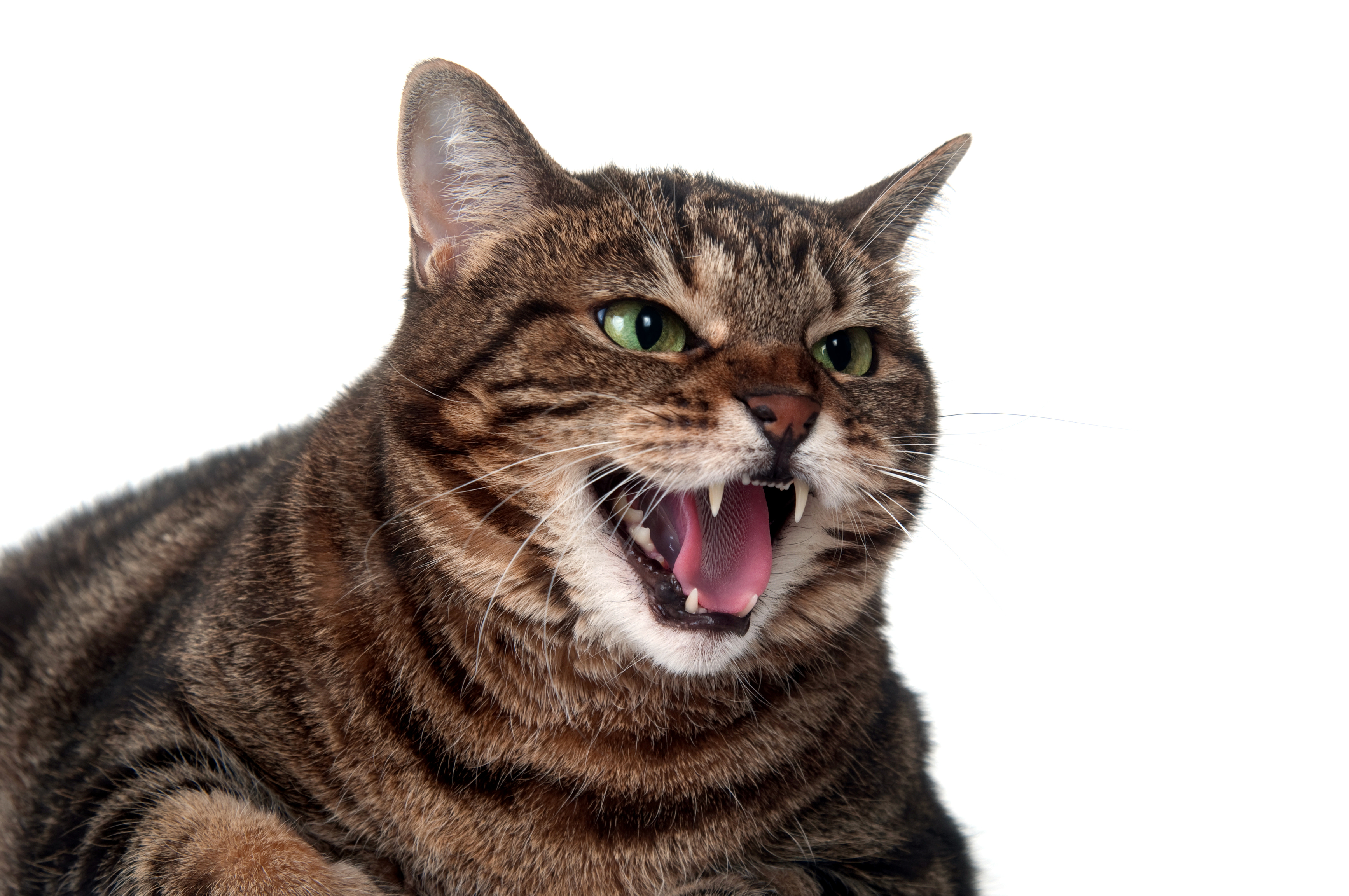
I am writing about my 11-year-old Maine Coon who has become increasingly aggressive toward house guests. We’ve had Scout since he was 10 weeks old. The breeder told us he shouldn’t be around visitors during his first few months because of possible disease exposure. Being my first purebred cat, I followed that advice but now wonder if it affected his socialization.
When guests come over, Scout is curious and wants to see who has arrived, but any further interaction produces hissing and swatting. So far no one has been injured, but it’s frightening, and I worry about what could happen in the future. He is very affectionate with me, my husband, and even our dog, but he won’t tolerate anyone else. Any suggestions?
– Colleen, Antioch, Illinois
Dear Colleen,
I am surprised someone told you that. A cat’s socialization period occurs much earlier than a dog’s, so those early weeks and months are crucial to developing a socially friendly feline.
Because the behavior has increased with age, I would recommend starting with a veterinary check to rule out any physical issues contributing to the aggression. Pain, arthritis, sensory decline, or cognitive dysfunction can sometimes make older cats more reactive or less tolerant than they were earlier in life. As cats age, they can also become less tolerant of change or more easily overstimulated around unfamiliar people and activity.
It’s also important to understand that cats who hiss, swat, or posture aggressively toward guests are usually trying to create distance from situations they find overwhelming. Because those behaviors successfully make people back away, they often become reinforced over time.
If health problems are ruled out, the next step is to remove the expectation that guests need to interact with Scout at all. Many people instinctively reach toward cats or try to pet them, but fearful cats often experience those actions as threatening. Ironically, many cats become far more relaxed when the pressure to interact disappears.
Instead, ask guests to ignore Scout completely when they arrive. No reaching, no direct staring, and no attempts to pet him. If Scout chooses to observe guests from a hallway, staircase, cat tree, or doorway, allow him to do so at his own pace. With cats, interactions should always happen on their terms, not ours.
You can also work on creating more positive associations with visitors. Some cats respond well to high value treats that guests can gently toss in his direction without approaching him directly.
I would also provide vertical escape areas, which can help tremendously. Cats often feel safer when they can observe activity from above or from a protected location where they do not feel cornered or trapped. Cat trees or wall shelves can give Scout places to retreat when guests visit.
Finally, there is nothing wrong with occasionally placing Scout in a quiet room during larger gatherings if that keeps him more comfortable. Sometimes, it is simply the kindest solution for a cat who is now finding social situations stressful.
Dear Cathy,
My husband and I rescued our dog Charlie when he was seven months old. He will turn three this July. Not knowing much about his early life, we noticed soon after bringing him home that he would grab a toy, run through the house, and whine.
At first, I thought the behavior might be connected to a bad memory because it involved a toy that came with him. I eventually threw that toy away, but the behavior continued. Now, after most meals, Charlie grabs a toy and runs around the house whining. It sounds almost like a crying whine and usually lasts about five minutes before he settles down.
I've never had a dog who did this. Is this common behavior? And what do you think it means?
– Karen, Newport News, Virginia
Dear Karen
In the wild, dogs often buried extra food for later. Some dogs seem to transfer that instinct to favorite toys.
If the whining is disruptive, you might try picking up his toy and redirecting him immediately after meals. Provide him with a dental chew, food puzzle, snuffle mat, or other quiet activity (no running around after eating) This will give him something else to focus on, which will help disrupt his old routine.
The fact that Charlie settles down within a few minutes is a good sign. I would be more concerned if the behavior suddenly became more intense, lasted longer, interfered with eating or sleeping, or if Charlie appeared genuinely distressed and unable to settle.
Otherwise, if he is in good health, this may simply be one of Charlie's quirky habits.
_____
_____
========
(Cathy M. Rosenthal is a longtime animal advocate, author, columnist and pet expert who has more than 25 years in the animal welfare field. Send your pet questions, stories and tips to cathy@petpundit.com. Please include your name, city, and state. You can follow her @cathymrosenthal.)
©2026 Tribune Content Agency, LLC.
(c) 2026 DISTRIBUTED BY TRIBUNE MEDIA SERVICES, INC.






Comments