
My Pet World: When a family dog bites — Understanding what happened and what comes next
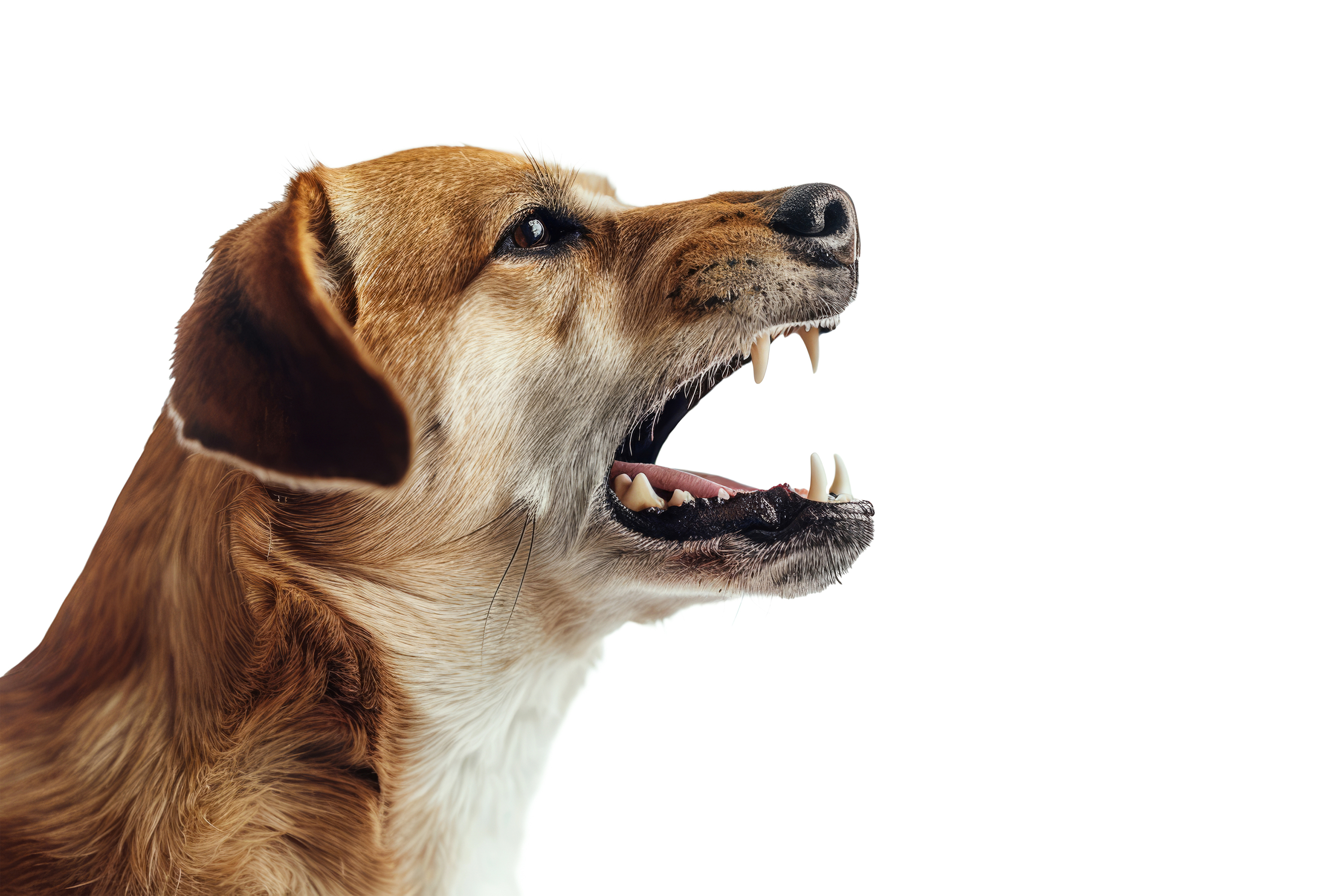



Dear Cathy, My daughter's two-year-old Malamute bit my husband severely on his right hand while we were dog sitting. We had been playing catch back and forth with a new toy. We would say "drop it" and then pick it up to throw it for her to chase. She dropped it without the command and was panting heavily. My husband bent over to pet her, and she latched onto his hand. (We assume she was protecting the toy.) She was growling and snarling and would not release. He used his other hand to try and pry her jaws open resulting in several puncture wounds on the left hand, too.
My husband says there was no growling warning, just the attack. Besides multiple puncture wounds, the base of his right thumb was ripped and required eight stitches and took weeks to completely heal. My husband never wants to see that dog again, which is obviously going to put a strain on our relationship with our daughter.
We met her a few times before pet sitting. She allowed him to pet and "love" on her the night before. I now have a healthy fear of her and only want to see her if my daughter or her husband is present.
What kind of additional training should she receive? She has been going to weekly puppy school and group dog training since they got her at eight weeks old.
– Carol, Henderson, Nevada
Dear Carol,
I am so sorry your husband was injured. The dog may create an association with your husband and the incident, but as to whether she would respond similarly in the future is impossible to know. Dog behavior is complex and influenced by many factors.
More important than predicting what might happen in the future is understanding what may have contributed to this incident. From your description, several factors may have come together at once: a new high-value toy, repeated retrieving, a heightened state of excitement, heavy panting, and your husband bending over to pet her. Resource guarding (the toy) is the likely possibility, but you should also consider over-arousal, stress, fear, pain, or a combination of factors.
I would encourage your daughter and son-in-law to schedule a veterinary examination to rule out any underlying medical issues. Pain and discomfort can lower a dog's tolerance and influence behavior in ways that may not be immediately obvious.
The fact that this dog has attended training classes is good, but this situation calls for more specialized help. If her health is not the reason, encourage your family to consult with a board-certified veterinary behaviorist or a positive-reinforcement trainer experienced in resource guarding.
A professional assessment can help identify the triggers behind the bite and develop a management and behavior-modification plan designed to prevent another incident. That may include muzzle conditioning, which can provide an additional layer of protection while behavior modification is underway. (A properly fitted basket muzzle is a safety tool they can use when guests are around. Dogs can still play, pant, drink, and take treats.)
It’s important to remember dogs do not bite because they are trying to be "bad" or spiteful. Biting is behavior, and like all behavior, it serves a purpose and communicates something. The challenge now is identifying what the dog was trying to say, and putting safeguards in place to prevent it from happening again.
While some dogs growl before biting, others communicate their discomfort in more subtle ways, such as freezing, stiffening, hard-staring, hovering over an object, turning away, or suddenly becoming still. These signals are often missed because people expect a growl or snarl. While a growl is a dog's way of asking for distance, some dogs can bite with what appears to be little or no obvious warning.
That is one reason I advise people not to approach or touch dogs when they are eating, drinking, playing, or sleeping, even if they know them well. Instead, always let a dog come to you for attention. Even dogs that have been friendly can become uncomfortable in certain situations, and so it is always safer to let the dog decide whether he or she wants to engage.
The good news is that one serious incident does not automatically define the rest of this dog's life. Many dogs with resource guarding or other behavior challenges improve significantly when their families work with qualified professionals to understand the triggers and manage the environment. The priority now is keeping people safe while learning what this dog was trying to communicate before, during, and after the bite. A behavior assessment will help you do that.
_____
_____
========
(Cathy M. Rosenthal is a longtime animal advocate, author, columnist and pet expert who has more than 25 years in the animal welfare field. Send your pet questions, stories and tips to cathy@petpundit.com. Please include your name, city, and state. You can follow her @cathymrosenthal.)
©2026 Tribune Content Agency, LLC.
(c) 2026 DISTRIBUTED BY TRIBUNE MEDIA SERVICES, INC.







Comments