7 things to know about Irish Wolfhounds
Published in Cats & Dogs News
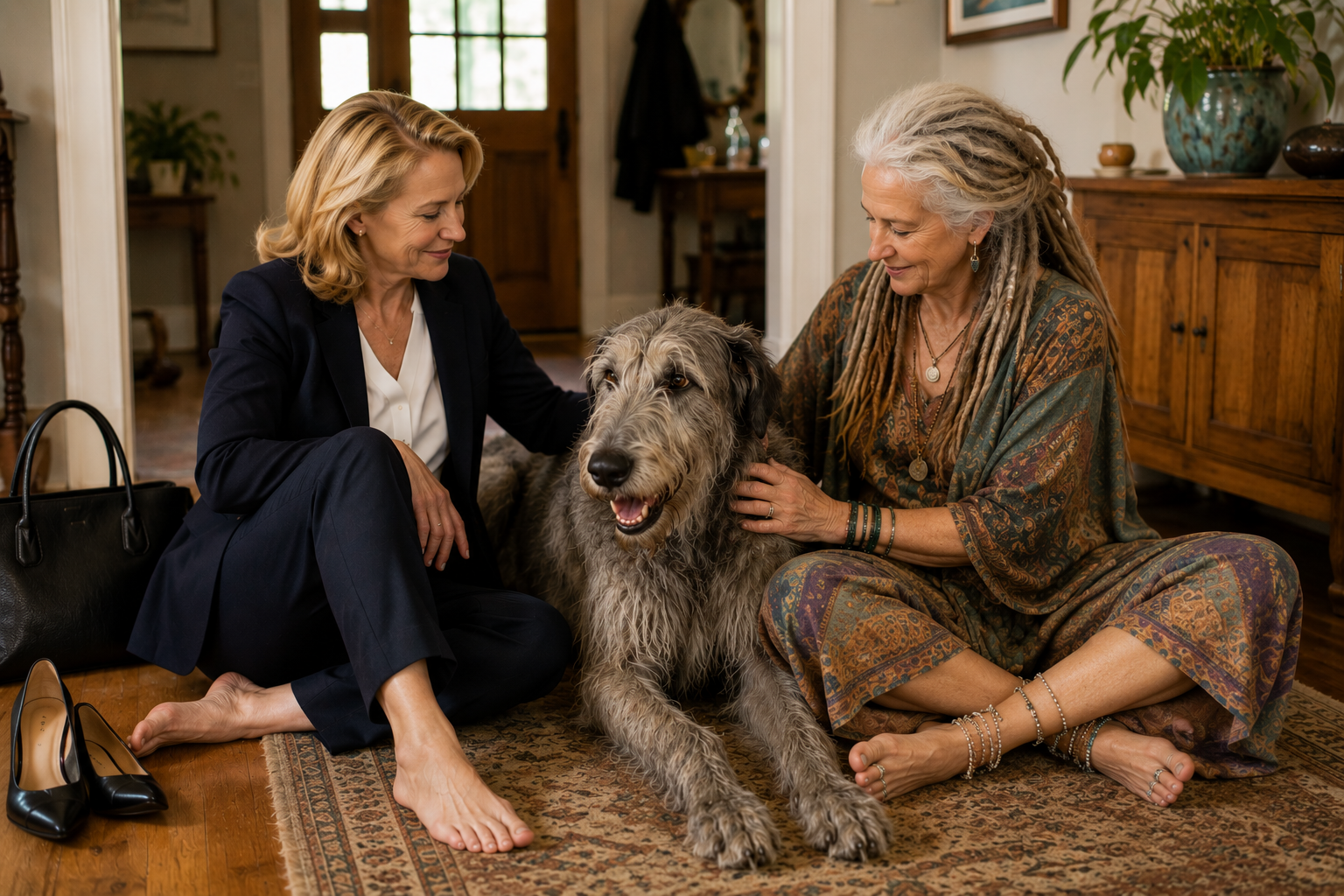
The Irish wolfhound is one of those dogs people tend to remember after meeting one. Tall, shaggy and dignified, the breed has a way of filling a room without seeming to demand it. It is often described as a gentle giant, which is true enough, though that phrase can make the dog sound simpler than it is.
Irish wolfhounds are affectionate, imposing, sensitive and historically fascinating. They are not for every household, but for the right family, they can be unforgettable companions.
They are among the tallest dogs in the world
Irish wolfhounds are famous for their height. Adult males often stand at least 32 inches at the shoulder, while females are generally a bit smaller. Many are tall enough to rest their heads on a kitchen counter without trying very hard, which means “dog-proofing” takes on a different meaning.
Their size is not just a novelty. It affects almost everything about living with them, from food bills to vehicle space to veterinary care. A dog this large needs room to stretch out, safe flooring to prevent slips and owners who understand that even a friendly tail or casual lean can knock things over.
That said, they are not typically bulky in the way mastiffs are. Irish wolfhounds are sighthounds, built for speed, reach and endurance rather than sheer mass.
They were bred for serious work
The breed’s romantic image is rooted in a real working history. Irish wolfhounds were developed to hunt wolves, deer and other large game. Their size, courage and athleticism made them valuable dogs in ancient and medieval Ireland.
That history still matters because it explains the dog’s shape and instincts. Irish wolfhounds can be calm in the house, even sleepy, but they are not ornamental rugs with whiskers. They may still have a strong chase instinct, especially when something small and quick moves across their line of sight.
Secure fencing is important. So is caution around cats, rabbits and small dogs unless the wolfhound has been carefully raised and supervised with them.
They are usually gentle, but not small-dog easy
A well-bred Irish wolfhound is typically sweet-natured, patient and affectionate. Many are good with children and deeply devoted to their families. They are often more sensitive than their size suggests and may respond poorly to harsh training.
But gentle does not mean effortless. A young Irish wolfhound can be clumsy, bouncy and enormous long before it has adult judgment. A puppy that looks like a small horse may still have the impulse control of a puppy.
Basic manners matter early. Loose-leash walking, polite greetings, waiting at doors and not counter-surfing are not optional skills with a dog this size. The goal is not dominance. It is clarity, kindness and consistency before the dog becomes too large to physically manage.
They need exercise, but not endless running
Irish wolfhounds need regular movement, but they are not usually high-drive, nonstop athletes in the way border collies or young retrievers can be. Most do well with daily walks, safe chances to stretch their legs and time outdoors with their people.
Puppies require special care. Because they grow so quickly, forced running, hard jumping and excessive stairs can put stress on developing joints. Free play on safe ground is generally better than intense structured exercise while they are young.
As adults, many wolfhounds enjoy a good romp, then happily return to the couch. They are often sprinters rather than marathoners. A secure fenced area can be a gift, but off-leash freedom in open public spaces is risky because of their chase instinct.
Their lifespan is heartbreakingly short
One of the hardest truths about Irish wolfhounds is their relatively short life expectancy. Like many giant breeds, they often live fewer years than smaller dogs. Many families hope for seven to 10 years, though some live longer and some are lost earlier.
This does not make the breed less worthwhile, but it does require emotional honesty. Anyone considering an Irish wolfhound should be prepared for the reality that the time may feel too brief.
Health concerns can include heart disease, bloat, bone cancer and orthopedic issues. Responsible breeders screen carefully, know their lines and are candid about health history. Regular veterinary care is essential, and owners should learn the signs of bloat, a life-threatening emergency that can affect deep-chested breeds.
They are expensive dogs to keep well
Irish wolfhounds are not budget dogs. Food costs alone can be significant, especially during growth. Preventive medications, anesthesia, boarding, grooming tools and veterinary procedures often cost more because the dog is so large.
Even ordinary equipment must be scaled up: bigger beds, stronger crates, larger vehicles, wider collars and sturdier leashes. A small apartment can work for some calm adults if exercise needs are met, but cramped living can become difficult fast.
The breed’s coat is rough and wiry rather than silky. It needs regular brushing and occasional tidying, but it is usually not as labor-intensive as some long-coated breeds. Still, a dog this size sheds a lot of dog, even when it is not shedding dramatically.
They are companions, not backyard statues
Irish wolfhounds may look noble standing in a yard, but they are not meant to be admired from a distance. They tend to bond deeply with their people and often prefer to be nearby, quietly supervising household life.
Many are calm indoors and surprisingly polite once mature. They may lean against a favorite person, sprawl across a living room or watch family activity with thoughtful eyes. Their emotional presence is part of their appeal.
That closeness also means they should not be acquired simply for their looks. The best wolfhound owners appreciate the breed’s sensitivity as much as its size. They understand that this is a dog bred for courage but often ruled by affection.
The Irish wolfhound is grand without being flashy, powerful without usually being pushy and gentle without being fragile. For people prepared for the space, cost, training and shorter lifespan, the reward is a companion with rare dignity and enormous heart.
========
Rowan Ellery is a freelance pet and lifestyle writer based in the Mid-Atlantic. She writes about companion animals, everyday care and the bond between people and their dogs. This article was written, in part, utilizing AI tools.








Comments