The best dog breeds for seniors
Published in Cats & Dogs News
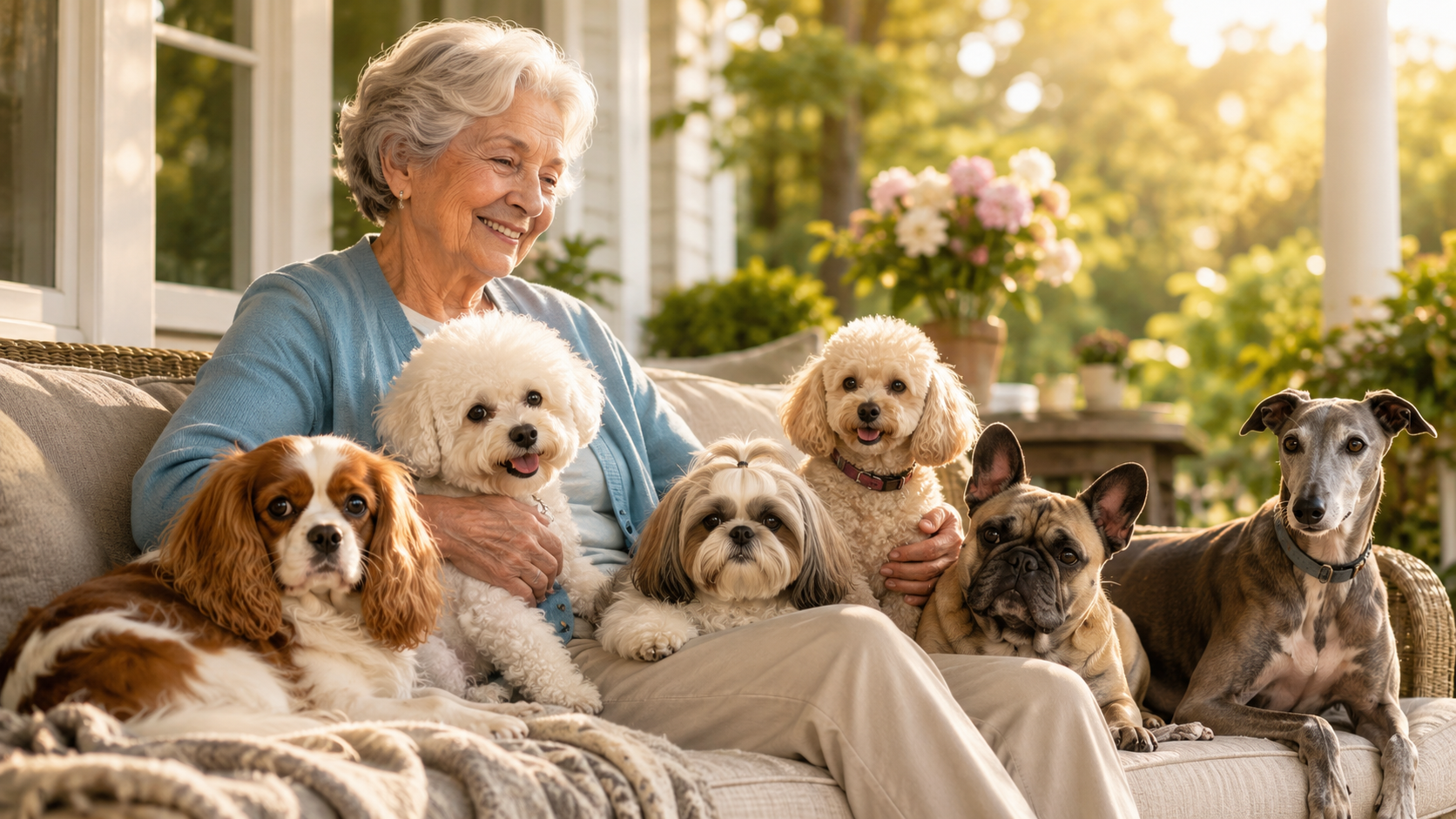
For many older adults, a dog can provide companionship, structure and a powerful sense of purpose. The right dog encourages daily activity, offers affection and helps reduce feelings of loneliness. But not every breed is equally suited to retirement living, fixed incomes or the realities of aging joints and changing energy levels.
The best dogs for seniors tend to share several traits: manageable size, moderate exercise needs, a stable temperament and a strong desire to stay close to their people. Grooming requirements, shedding and potential health concerns also matter. A dog that fits comfortably into an older adult’s lifestyle can become a cherished friend for years.
Companionship matters more than pedigree
Experts and longtime dog owners alike emphasize that temperament often matters more than breed. Many mixed-breed dogs from shelters make exceptional companions because they are already adults, their personalities are established and their energy levels are easier to assess.
For seniors who want to avoid the unpredictability of puppyhood, adopting a mature dog can be an excellent choice. Adult and senior dogs are frequently house-trained, calmer and deeply appreciative of a stable home.
Cavalier King Charles Spaniel
The Cavalier King Charles Spaniel is often considered one of the ideal companion dogs. Typically weighing between 13 and 18 pounds, Cavaliers are affectionate, adaptable and eager to spend time curled up beside their owners.
They enjoy moderate walks but are equally happy relaxing on the couch. Their gentle nature and expressive faces make them especially appealing to people seeking a constant, loving companion.
Bichon Frise
The cheerful Bichon Frise combines a small size with an unusually sunny disposition. These dogs are sociable, intelligent and generally easy to live with.
Because they shed very little, they are popular with owners concerned about dog hair. Regular grooming is necessary, but many seniors find the breed’s friendliness and manageable exercise needs well worth the effort.
Shih Tzu
Originally bred as lap dogs for Chinese royalty, Shih Tzus remain consummate companions. They are sturdy, affectionate and well suited to apartment living.
Shih Tzus enjoy short walks and ample cuddle time. Their independent streak can be amusing rather than challenging, and their moderate activity level makes them a comfortable fit for many retirees.
Miniature Poodle
Miniature Poodles offer an appealing combination of intelligence, trainability and low-shedding coats. They are highly responsive to their owners and often excel at reading moods and routines.
Their sharp minds benefit from regular interaction, and their athleticism is balanced by an ability to settle comfortably indoors. Many seniors appreciate both their elegance and their exceptional companionship.
French Bulldog
French Bulldogs have become one of America’s most popular breeds, and for good reason. They are compact, affectionate and generally content with modest exercise.
Their short coats require minimal grooming, and their comical personalities can provide endless entertainment. Prospective owners should be aware, however, that brachycephalic breeds can experience breathing difficulties and may require additional veterinary care.
Havanese
The Havanese is a lively but manageable small breed known for its devotion to family members. Friendly and adaptable, these dogs tend to bond closely with their owners.
They are intelligent and easy to train, and they thrive on companionship rather than intense physical activity. Their affectionate temperament makes them particularly appealing to seniors living alone.
Greyhound
Although famous for racing, retired Greyhounds are often described as “45-mile-per-hour couch potatoes.” Despite their athletic background, many are remarkably calm indoors and require less exercise than their appearance suggests.
Their gentle demeanor and quiet nature make them excellent companions for seniors who can accommodate a larger dog.
Senior dogs for senior people
One of the best options for older adults is adopting an older dog. Senior dogs are usually past the destructive puppy stage and often settle quickly into a predictable routine.
Many shelters and rescue organizations specifically match mature dogs with retirees, creating partnerships that benefit both human and canine.
Choosing with honesty
The ideal dog should fit an owner’s mobility, finances and living arrangements. A strong but energetic breed may be difficult to manage, while a tiny but fragile dog may pose other challenges.
Prospective owners should consider who will help if illness or travel interrupts daily care. Honest assessment leads to better matches and happier homes.
A friend for this stage of life
For many seniors, the best dog is one that offers steady companionship rather than high performance. Whether a Cavalier curled up on the sofa, a Bichon greeting visitors or a rescued mixed-breed dog resting nearby, the right companion can bring comfort, routine and joy.
In retirement, when children are grown and schedules are more flexible, a dog can become both confidant and motivator. The bond between an older person and a well-matched dog is often one of life’s most rewarding relationships.
========
Eleanor Whitcombe writes about companion animals, aging and the everyday relationships that give shape to home life. This article was written, in part, utilizing AI tools.






Comments