Dachshunds: More than just a weiner dog
Published in Cats & Dogs News
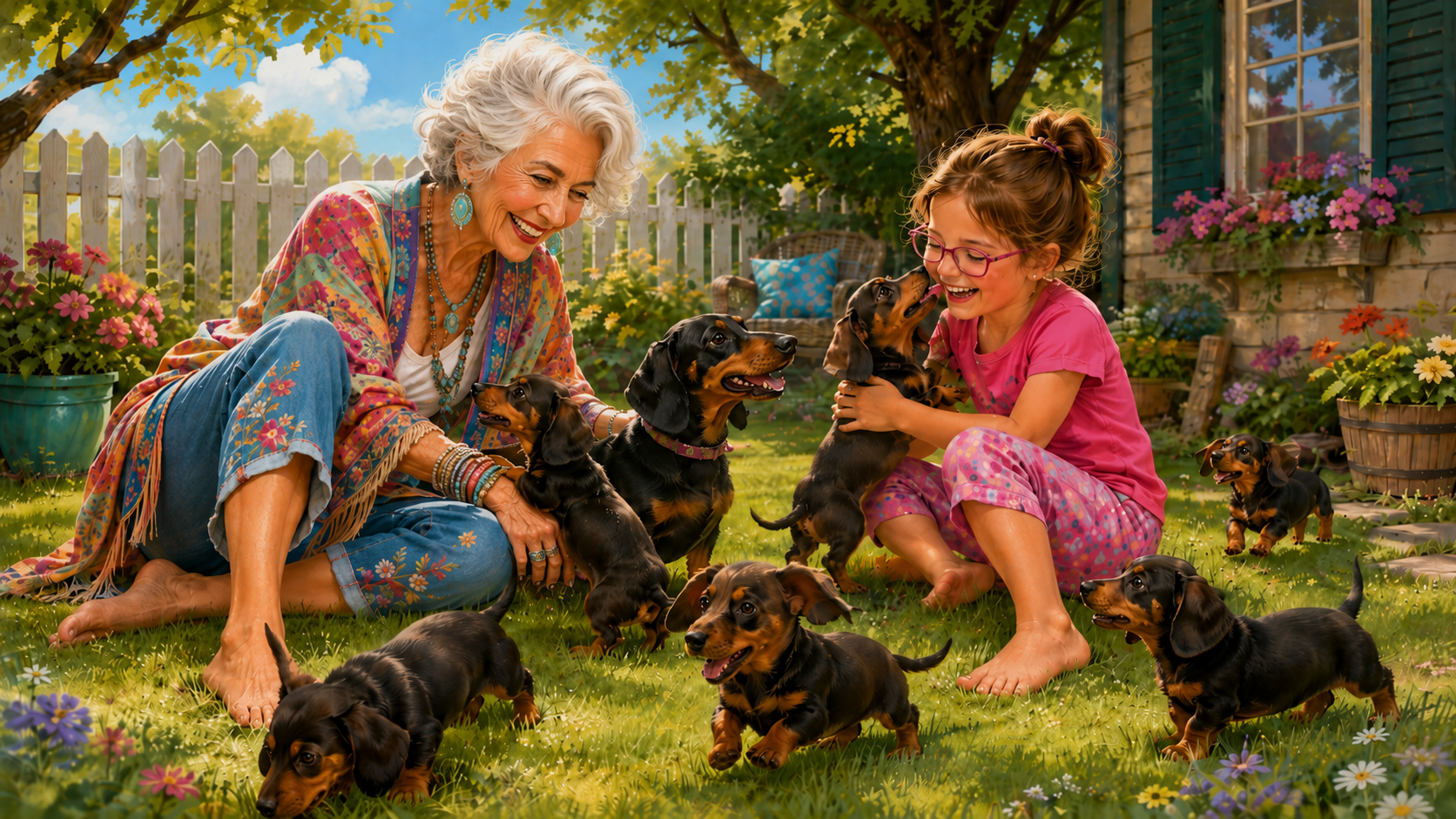
Dachshunds may be best known for their long bodies, short legs and endless parade of nicknames, but there is far more to this breed than the punchline of “wiener dog.” Beneath the comic silhouette is a bold, clever and surprisingly rugged hound with a working-dog history, a fierce sense of loyalty and a personality much larger than its frame.
Originally developed in Germany to hunt badgers and other burrowing animals, dachshunds were bred to be brave, determined and independent. Their low build allowed them to enter tunnels, while their strong chest, powerful front legs and sharp voice made them effective underground hunters. The name itself comes from German words meaning “badger dog,” a reminder that this little companion was never intended to be merely decorative.
Today, dachshunds are popular family dogs, apartment companions and internet stars. But anyone who lives with one knows they remain hounds at heart: curious, vocal, stubborn, affectionate and always ready to investigate whatever is happening just out of reach.
A small dog with a big-dog attitude
Dachshunds often seem unaware of their size. They may weigh far less than the average retriever or shepherd, but many carry themselves with the confidence of a dog three times larger. This boldness can be charming, but it also needs guidance.
A dachshund may bark at strangers, challenge larger dogs or appoint itself household security chief. Owners should not mistake that courage for bad behavior. It is part of the breed’s nature. The goal is not to erase the confidence but to channel it through training, socialization and clear routines.
Because they were bred to work independently, dachshunds are not always eager to obey simply because a person asks. They respond best to patient, consistent training that rewards cooperation rather than tries to overpower them.
Three coats, two sizes and plenty of variety
Dachshunds come in smooth, longhaired and wirehaired coats, and each type has its own look and grooming needs. Smooth dachshunds have short, sleek coats that are relatively easy to maintain. Longhaired dachshunds have softer, flowing coats that need regular brushing to prevent tangles. Wirehaired dachshunds have a scruffy, terrierlike appearance and usually require more coat care.
They also come in standard and miniature sizes. Standards are the larger, sturdier version, while miniatures are smaller and often favored by people living in apartments or smaller homes. In both sizes, the breed retains the same general structure: long back, deep chest, short legs and expressive face.
That body shape is part of the dachshund’s appeal, but it also comes with responsibility.
Protecting the famous long back
One of the most important parts of dachshund care is protecting the spine. Their long backs can make them more vulnerable to injuries and disc problems, especially if they are overweight or frequently jump from furniture.
Owners can help by keeping dachshunds lean, using ramps or steps for couches and beds, discouraging rough jumping and supporting both the chest and rear when lifting them. Regular exercise also matters. A dachshund should not be treated like a fragile ornament. Strong muscles help support the body.
A healthy dachshund is active, alert and capable. Daily walks, gentle play and sniffing opportunities are important for both body and mind.
A nose that never clocks out
Dachshunds are scent hounds, and their noses can drive much of their behavior. They love to sniff, follow trails and inspect every corner of the yard or sidewalk. A short walk can become a long investigation if a dachshund catches an interesting smell.
This trait makes them entertaining but also means owners should be careful off leash. A dachshund that locks onto a scent may ignore calls, traffic or common sense. Secure fencing and leashes are often essential.
Scent games, treat puzzles and hide-and-seek activities can be excellent outlets. A bored dachshund may invent its own entertainment, which can include digging, barking or rearranging household items.
Loyal, funny and sometimes dramatic
Dachshunds are often deeply attached to their people. Many want to be involved in everything, whether that means supervising dinner, burrowing under blankets or announcing every visitor with great ceremony.
They can be affectionate lap dogs, but they are not always pushovers. Some are comically dramatic, grumbling when moved, sighing loudly when ignored or giving wounded looks when denied a snack. Their expressiveness is part of their charm.
Families with children should teach gentle handling, especially because of the dog’s back. Dachshunds can do well with children, but they should not be grabbed, carried carelessly or treated like toys.
Not the dog for everyone, and that is OK
For all their appeal, dachshunds are not the ideal match for every household. They can bark. They can be stubborn. Some dig. Some are suspicious of strangers. House-training can require extra patience.
But for the right owner, those quirks are part of the package. A dachshund is rarely boring. It brings humor, devotion and a distinct sense of self into the home. The breed does best with people who appreciate personality, not passive obedience.
Training should begin early, but it should continue throughout life. Short, upbeat sessions work well. Harsh correction can make a dachshund dig in emotionally as surely as its ancestors dug into the earth.
More than a novelty shape
The dachshund’s body may draw the first smile, but its character is what keeps people devoted to the breed. This is a dog with history, grit and heart. It is a hunter turned housemate, a clown with courage, a watchdog with a blanket habit and a companion that often believes the entire household revolves around its opinions.
Calling a dachshund a wiener dog is not wrong, exactly. It is just incomplete. The nickname captures the outline, not the spirit. Behind that long little body is a sharp, spirited hound that has earned its place as one of the world’s most recognizable and beloved dogs.
For those willing to protect the back, train the mind and respect the attitude, the dachshund offers far more than a funny silhouette. It offers loyalty, laughter and a reminder that big personality does not require long legs.
========
Clara Whitcomb is a pet and lifestyle writer who focuses on animal behavior, breed history and practical care for everyday owners. She lives with two opinionated dogs and believes every great pet story begins with patience, humor and a good walk. This article was written, in part, utilizing AI tools.





Comments