7 ways to deal with a digging dog
Published in Cats & Dogs News
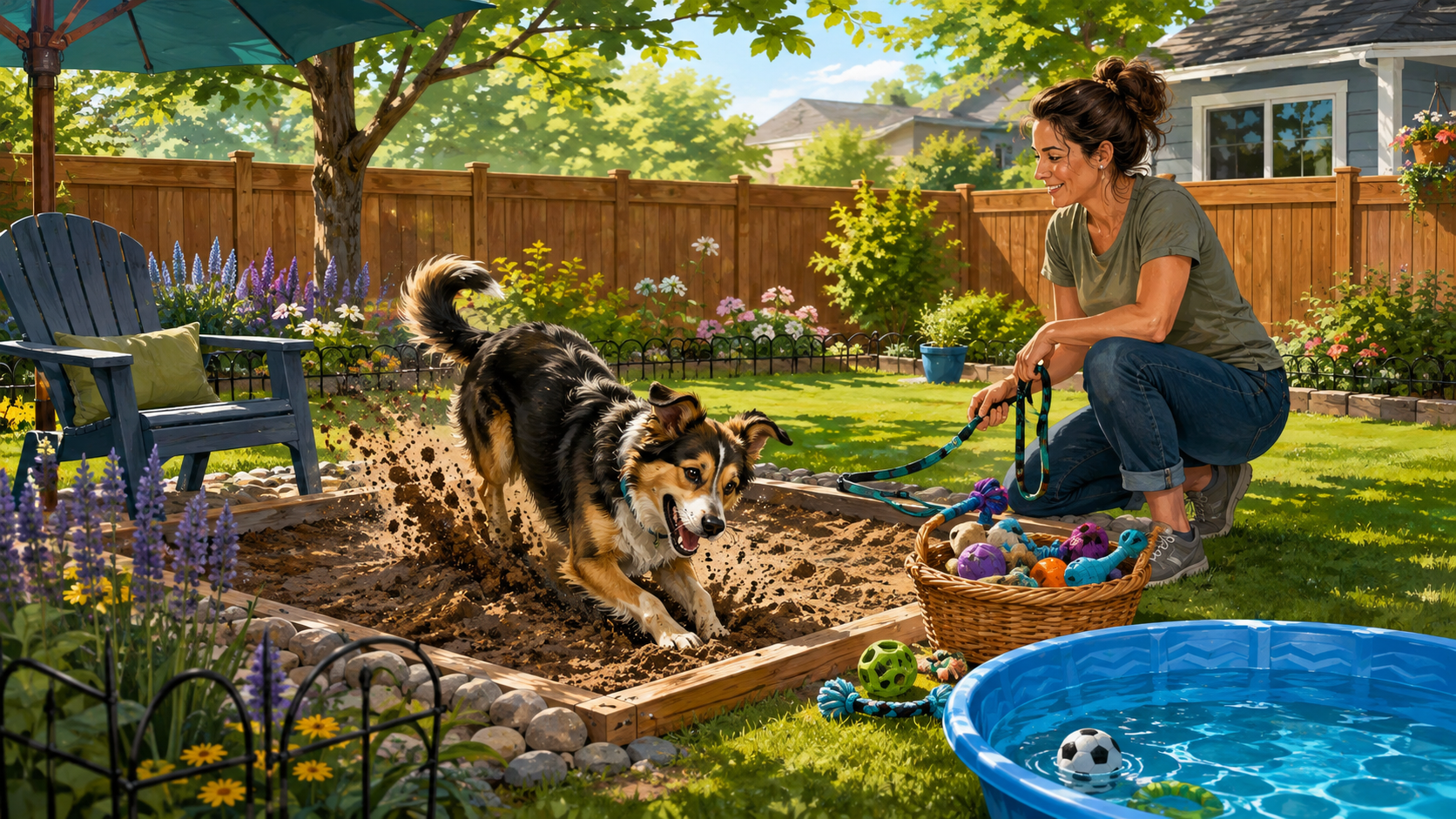
There are few sights more impressive than a dog standing proudly beside a hole large enough to qualify for its own ZIP code.
You left the yard for 10 minutes. The dog apparently hired a backhoe.
Digging is one of those canine habits that can range from mildly annoying to full-scale landscape destruction. A determined dog can uproot flowers, expose irrigation lines, tunnel beneath fences and transform a respectable lawn into something resembling an archaeological site.
The irritating part is that the dog is usually having a wonderful time.
Digging is natural behavior. Dogs may dig because they are bored, hot, curious, pursuing underground animals or trying to escape. Some simply enjoy digging because dirt flies everywhere, interesting smells appear and nobody has yet explained the concept of property value.
Fortunately, you do not necessarily have to choose between owning a dog and owning a yard.
Here are seven ways to rein in your four-legged excavation contractor.
1. Determine what the dog is looking for
Before declaring war on digging, figure out why it is happening.
Location provides clues.
A dog digging beneath a fence may be trying to escape, investigate the neighbor's yard or pursue something on the other side. A dog repeatedly excavating one patch of grass may be hunting moles, insects or other underground creatures.
Dogs sometimes dig shallow depressions simply because the soil underneath is cooler than the air above it. This is particularly common during hot weather.
And then there is boredom.
A dog left alone in an empty backyard may eventually conclude, "Apparently I'm in charge of entertainment."
The lawn then becomes the entertainment.
Watch when the digging occurs, where it happens and what seems to trigger it. Solving the underlying problem is usually easier than repeatedly filling holes while wondering why the dog keeps reinstalling them.
2. Wear out the dog before the dog wears out the yard
Excess energy has to go somewhere.
If it does not go into walks, play or training, it may go directly into removing your azaleas.
Increase appropriate exercise based on the dog's age, breed and health. Add another walk, extend an existing one or incorporate games such as fetch, tug and scent work.
Do not assume putting a dog in the backyard counts as exercise.
Many dogs released into a yard spend five minutes sniffing, three minutes staring into space and the next 45 minutes waiting for something interesting to happen.
Eventually, they create something interesting.
Regular walks provide more stimulation because the dog encounters changing smells, people, animals and environments.
A pleasantly tired dog is generally less motivated to begin a major public works project behind the garage.
3. Give boredom some competition
If digging is entertainment, offer better entertainment.
Food puzzles, treat-dispensing toys, safe chew items and short training games can occupy a dog's brain as well as its body.
Rotate toys rather than leaving 37 of them scattered around the yard permanently. Familiar toys often become part of the scenery.
You can also hide treats around a safe area and encourage the dog to find them. Even tossing some kibble into the grass can turn dinner into a scent-searching exercise.
Mental activity matters because digging itself is mentally stimulating. The dog smells something, investigates, digs, discovers new scents and keeps going.
Compare that with a faded rubber ball that has been lying beside the porch since Easter.
The hole may simply have better marketing.
4. Give your dedicated digger a legal construction zone
Some dogs really, really like digging.
Rather than attempting to eliminate the behavior completely, consider giving them an approved place to do it.
A sandbox, child's plastic pool filled with soil or designated corner of loose earth can become the dog's digging pit.
Bury toys or treats just beneath the surface and encourage the dog to search for them. When the dog digs there, praise it.
If the dog begins digging elsewhere, interrupt calmly and redirect it to the approved location.
This requires some training, but dogs can learn surprisingly specific household rules.
They already learn things such as "You may sleep on this couch but not that chair," "That bowl belongs to the cat" and "For reasons that remain unclear, humans become upset when you bring dead squirrels indoors."
"Dig here, not there" is entirely possible.
5. Protect the dog's favorite targets
If your dog has selected one flower bed as the official branch office of the Department of Excavation, make access more difficult.
Temporary garden fencing, barriers or other safe obstacles can protect vulnerable areas while you work on changing the behavior.
Newly planted gardens deserve particular protection because freshly disturbed soil is extremely tempting to some dogs.
If the dog repeatedly digs because animals are living underground, address that problem with appropriate pet-safe pest control.
Do not dump harsh chemicals, pepper products or questionable homemade deterrents into holes. You want the dog to stop digging, not develop an emergency veterinary bill that makes the landscaping damage look inexpensive.
The simplest deterrent is often physical prevention.
No access means no opportunity to practice the habit.
6. Stop accidentally rewarding the crime
Dogs are excellent students of human behavior.
Suppose the dog begins digging.
You shout.
The dog looks at you.
You run toward the dog.
The dog runs away.
You chase.
Congratulations. The dog has invented a game called "Dig a Hole and Make Dad Run."
Some dogs will happily play it every afternoon.
Instead, interrupt digging calmly. Call the dog away and reward it for responding. Then redirect it toward something acceptable.
Avoid dragging the dog back to a hole discovered hours later and scolding it. Dogs generally will not understand that today's lecture concerns yesterday's landscaping project.
Corrections work best when they happen during the behavior.
Even then, consistency matters more than drama.
If digging earns attention, excitement and a chase around the yard, the dog may consider the entire event a success.
7. Supervise the repeat offender
If your dog can create a crater during the time it takes you to refill a glass of iced tea, unsupervised yard privileges may need to disappear temporarily.
Go outside with the dog.
You do not have to hover like a prison guard. Simply remain close enough to interrupt digging before the dog reaches the Earth's mantle.
Supervision can also reveal triggers you never noticed.
Perhaps digging begins when the neighbor's dog appears. Maybe squirrels are responsible. Maybe one shady patch of dirt becomes the dog's preferred cooling station every afternoon.
If digging suddenly appears in a dog that never did it before, pay closer attention. Changes in the household, anxiety, escape behavior or other physical and behavioral issues can sometimes produce new habits.
Persistent or extreme behavior may justify discussing the problem with a veterinarian or qualified behavior professional.
Most dogs are not trying to destroy your yard.
They are doing something that is interesting, instinctive or rewarding — and they have absolutely no emotional investment in your lawn.
You probably will not teach a dedicated digger to appreciate ornamental landscaping.
But with more exercise, better entertainment, supervision and perhaps one officially sanctioned dirt pile, you can establish a workable compromise.
The dog gets to remain a dog.
You get to keep most of the yard.
And neither of you has to explain to the homeowners association why there is now an open-pit mine beside the patio.
========
Harriet Bellinger writes about pets, household survival and the small domestic disasters that make ordinary life considerably more interesting. She focuses on practical solutions for people who love their animals but would also prefer to keep their furniture, gardens and sanity. This article was written, in part, utilizing AI tools.








Comments