On Nutrition: Nutrition affects hormones
Published in Nutrition
I first heard of the condition while attending a conference several years ago.
Its symptoms matched what my daughter was going through at the time — weight gain, irregular periods and excessive hair growth. Sure enough, after some tests she was diagnosed with PCOS (polycystic ovary syndrome), a hormone-related disorder.
Over the years, researchers have found there’s much more to this condition than hormones alone. In fact, PCOS has recently been renamed PMOS (polyendocrine metabolic ovarian syndrome) to describe that it also affects a woman’s metabolism— how she processes food and burns calories for energy. PMOS is also associated with insulin resistance, which can lead to weight struggles and diabetes if left unchecked.
That’s where nutrition comes in.
According to Dr. Angela Mazza, a board certified endocrinologist who specializes in metabolic diseases like PMOS, nutrition (what and how we eat) influences many of the key pathways that drive PMOS.
“Food is not just fuel,” she says. “It’s actually a powerful metabolic signal.”
In other words, what and how we eat can influence our hormones in a big way. Insulin, for example, is a hormone that directs energy from food into our cells. And our diet can influence how how well insulin works in our body, says Mazza.
Other hormones control vital functions such as hunger, sleep, how we burn calories and even how we respond to stress. And since Mazza considers food “a powerful metabolic signal," every meal we eat helps determine how well these hormonal messages are received.
Here are some important basics she recommends to women struggling with PMOS.
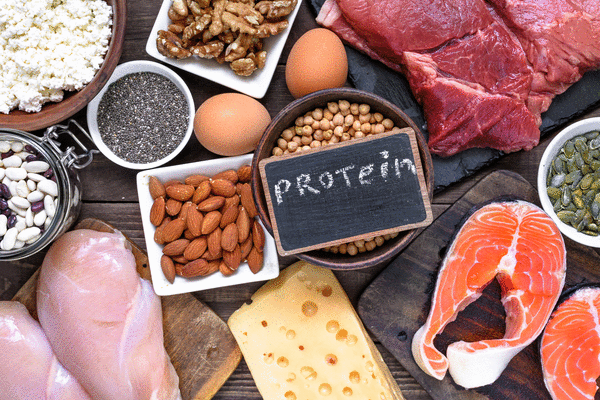
Prioritize protein. Include a source of protein at each meal to help control hunger and keep blood sugars from spiking — a strategy that helps fight fatigue and food cravings. Sources include fish, poultry, meat, eggs, dairy foods, soy foods, nuts and nut butters.
Along with protein, balance your meals with high fiber foods (vegetables, fruit, nuts and other plant-based foods) and healthy fats (fish, olive oil, nuts, seeds). These foods contain ingredients that can dampen inflammation (a major cause of chronic disease such as diabetes and heart disease).
When we consume an adequate amount of dietary fiber, we feed the growth of good bacteria in our guts. These beneficial bugs fortify our immune system and help our bodies respond better to insulin, which in turn helps with blood sugar and weight control. Lastly, hold off on the bread basket until after you’ve had a good fill of these foods.
Set a goal to eat at regular times — morning, midday and early evening. This actually supports a healthy metabolism, says Mazza.
Move your body after meals. Physical activity can help your body move energy from your food into your cells, which helps fight insulin resistance.
Remember, says this expert: “Food helps manage all the drivers of chronic disease. Don’t ignore it!”
____
©2026 MediaNews Group, Inc. Distributed by Tribune Content Agency, LLC.









Comments