6 ways to get 10-plus grams of protein
Published in Health & Fitness
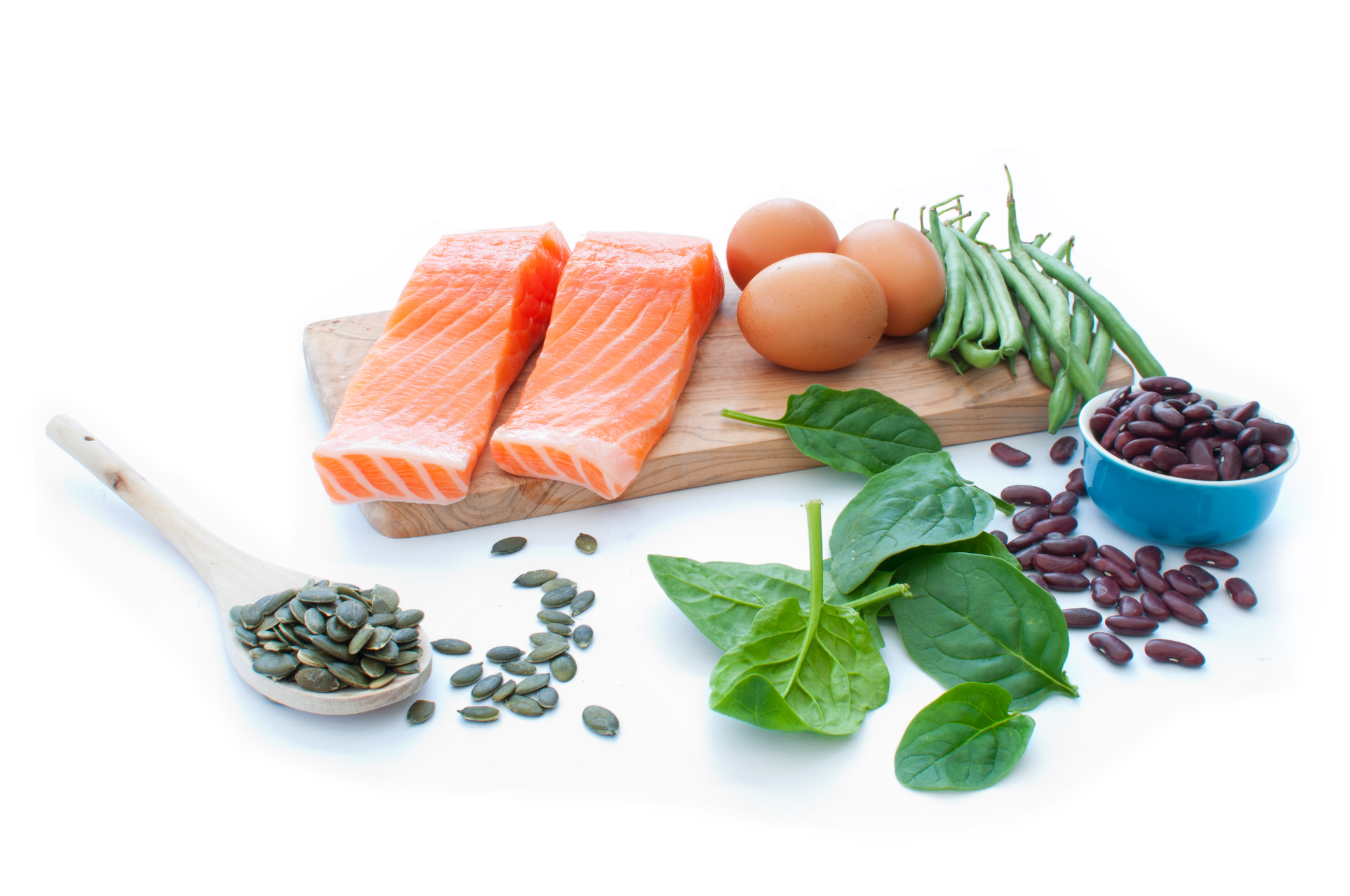
Trying to eat more protein? The solution may lie in your fridge or pantry rather than the supplement aisle. Protein is a macronutrient that supports everything from muscle repair and growth to satiety and a strong immune system. “Prioritizing protein at each meal can also keep you feeling full longer, helping curb cravings and support healthy eating habits throughout the day,” says Lauren Manaker, MS, RD.
While protein powder can work in a pinch, whole-food options offer extra benefits like fiber, vitamins, minerals, healthy fats, and more satisfying flavors and textures. Here are six foods dietitians recommend for an extra 10 grams or more of protein.
1. Try ultra-filtered milk.
“Ultra-filtered milk can deliver higher protein content without changing the taste,” says Manaker. Compared to 8 grams of protein in a glass of regular cow’s milk, ultra-filtered milk has around 13 grams per cup.
“Add ultra-filtered milk to smoothies, pour it into your morning oatmeal, or use it as a base for creamy soups or sauces,” recommends Manaker.
2. Add in eggs.
“Eggs are a quick and easy, nutrient-dense way to add protein to meals,” says Vanessa Imus, MS, RDN, owner of Integrated Nutrition for Weight Loss in Bothell, Washington. Two large eggs add 12 grams of protein to your meal, boosting protein and essential vitamins and minerals like choline, selenium and riboflavin.
Try whisking up a two-egg spinach omelet for breakfast, adding hard-boiled eggs to your salad at lunch, or using them to make a budget-friendly veggie fried rice for dinner.
3. Use Greek yogurt.
One standard container (7 ounces) of Greek yogurt packs a whopping 20 grams of protein and works well in both sweet and savory dishes.
While you can eat a bowl of Greek yogurt on its own, there are endless ways to enjoy it. “Use it as a base for parfaits topped with granola and fruit, mix it into pancake batter, or use it in savory recipes like tzatziki or as a creamy salad dressing base,” says Manaker.
4. Incorporate black beans.
Many high-protein foods come from animals, but black beans offer a plant-based way to add over 10 grams of protein to your meal. One cup of canned black beans provides 14 grams of protein and an impressive 16 grams of fiber.
Consider adding black beans to scrambled eggs or spooning smashed black beans over avocado toast.
5. Feature salmon.
Imus recommends salmon as a high-protein food rich in omega-3 fatty acids, supporting brain and heart health. A 3-ounce portion of cooked Atlantic salmon provides 21 grams of protein.
In addition to pricier fillets, canned and smoked salmon offer a more affordable and versatile way to incorporate this fatty fish into your meals. Both can be easily added to salads or stirred into scrambled eggs.
6. Spoon cottage cheese.
Cottage cheese is having a moment, and for good reason. You’ll find 23 grams of protein in every cup, along with a host of other essential nutrients, like calcium and B vitamins.
Cottage cheese works as a savory side or a sweet treat when combined with fruit, but that’s just the beginning. “For individuals who don’t like the texture of cottage cheese, it blends great into a smoothie,” says Tyler. It can also be blended into a salad dressing or a dip for veggies.
(EatingWell is a magazine and website devoted to healthy eating as a way of life. Online at www.eatingwell.com.)
©2026 Dotdash Meredith. All rights reserved. Used with permission. Distributed by Tribune Content Agency, LLC.









Comments