Does your child need to gain weight?
Published in Health & Fitness
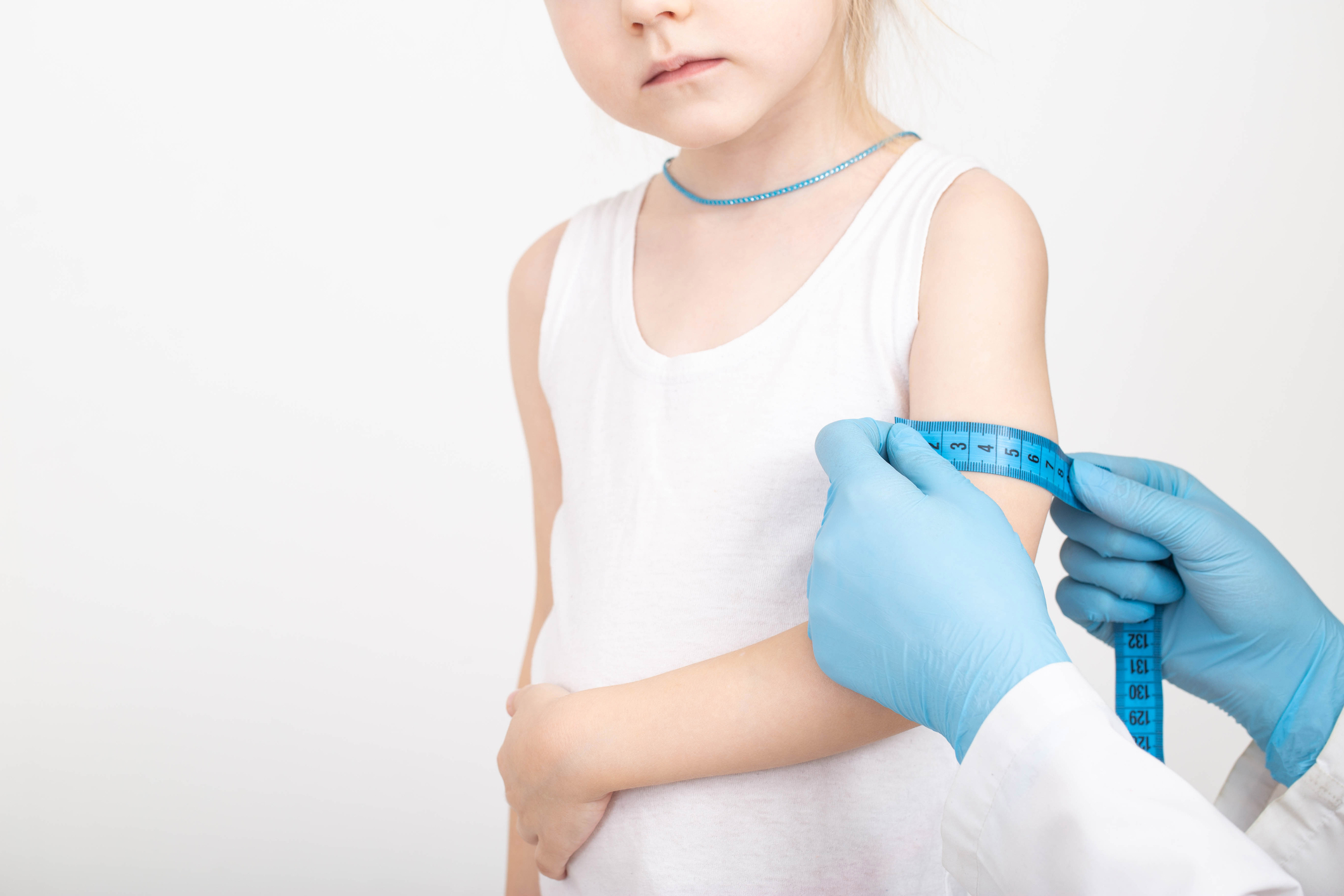
Understandably, the sensitive topic of weight in children and teens often focuses on the health costs of overweight and obesity. Sometimes, though, a child needs to gain some weight. And while there are lots of ways to make that happen, not all of them are healthy.
What to do if your child seems underweight
If you are worried about whether your child needs to gain weight, it’s very important to check with your doctor before getting to work on fattening them up. It’s entirely possible that your child’s weight is absolutely fine. Given that one in five children in the U.S. is obese and another one in six is overweight, it’s easy to see how a parent might think their child is too thin in comparison. One way to find out if your child’s weight is healthy is to check their body mass index, a calculation using height and weight that is used for children ages 2 and up.
Losing weight or being underweight can be a sign of a medical or emotional problem, so be sure to let your doctor know about your concerns. They may want to see your child to help decide if any evaluations are needed. If your child is less than 2 years old, it’s particularly important that you check in with your doctor about weight concerns, and follow their advice exactly.
Choosing healthy foods when a child needs to gain weight
If your child is older than 2 and the doctor agrees that gaining weight is a good idea, the best way to approach it is by using healthy foods and healthy habits.
Three ways to help encourage healthy weight gain:
1. Give your child three meals (breakfast, lunch, and dinner) and two healthy snacks (mid-morning and mid-afternoon). If your child eats dinner early, you could consider a small snack before bedtime. Try to avoid snacks in between or drinking anything other than some water; you want them to be hungry when you give them food.
2. Offer healthy high-calorie foods. Think in terms of healthy fats and protein. Some examples are:
3. Every time you prepare a meal or snack, think about how you might add some calories to it. For example, you could add some extra oil, butter, or cheese to pasta -- or some nut butter on a slice of apple or piece of toast.
Three traps to avoid:
Be sure you schedule regular check-ins with your doctor to monitor your child’s progress. Hopefully your child will soon be at a healthier weight that helps them to thrive as they grow.
(Claire McCarthy, M.D., is a senior faculty editor at Harvard Health Publishing)
©2023 Harvard University. For terms of use, please see https://www.health.harvard.edu/terms-of-use. Distributed by Tribune Content Agency, LLC.








Comments