Rick Steves’ Europe: Europe's love for soccer – and the World Cup
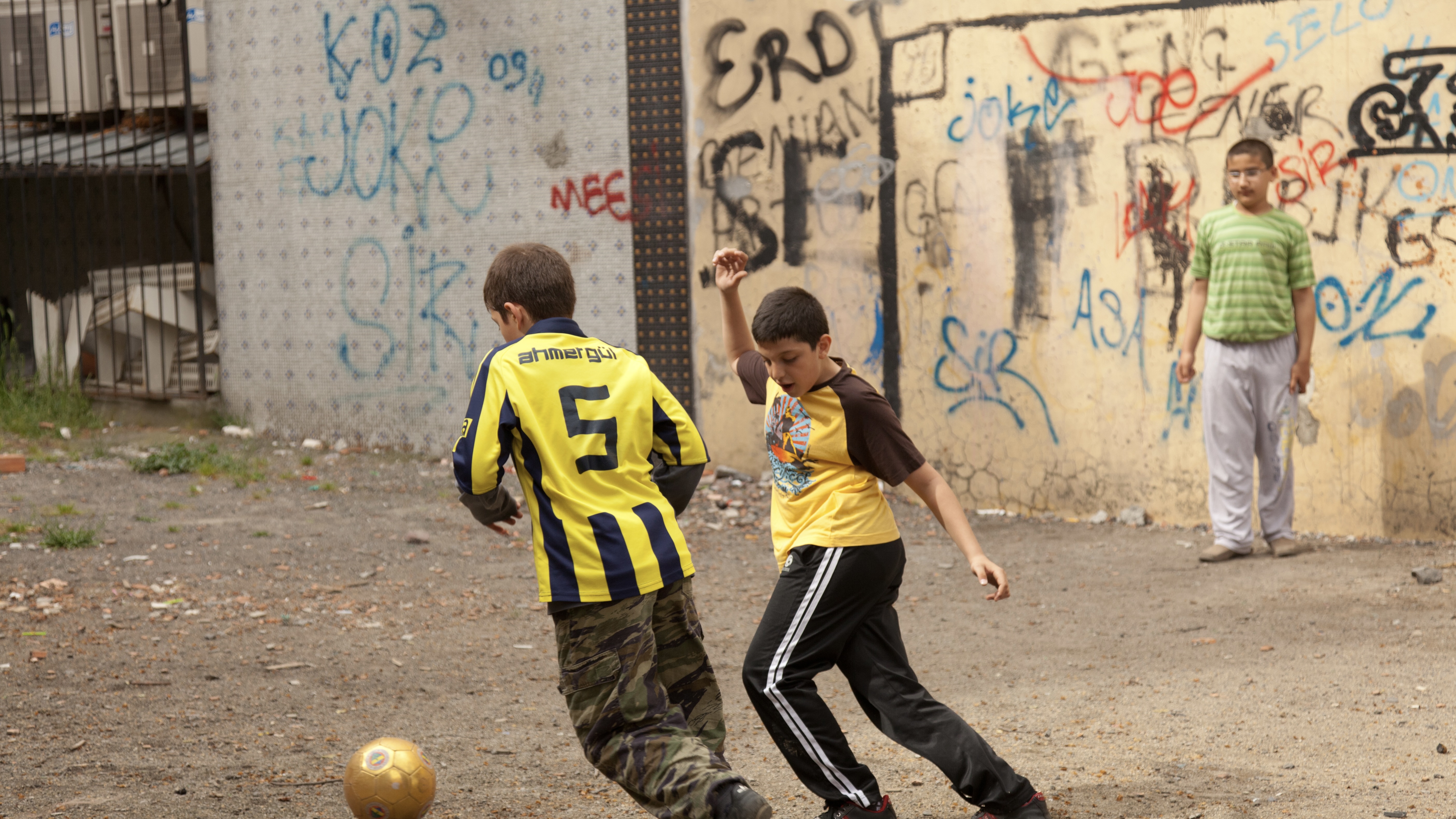


The 2026 FIFA Men's World Cup will soon kick off here in North America. But if you're traveling in Europe while it's taking place, you'll certainly feel its impact as well.
For most of the globe, the World Cup is as big as it gets – and Europe is no different. This is when soccer takes over daily life. Player news becomes national news, entire communities grind to a halt to watch games, and shops post unusual hours that suspiciously align with the match schedule. It’s when natives brush up on their national anthem, bars take on extra staff (and extra beer), and everyone comes together with one communal goal: to go nuts cheering for their country.
Sixteen European countries have qualified for the World Cup, and if you're visiting any of them during the tournament (June 11-July 19), it will likely impact your travels. But rather than seeing soccer mania as an obstacle, consider how it can enhance your trip, especially if the national team is playing. Even if you’re not a fan, become one for the day. This is a rare and special type of cultural immersion, beyond the everyday museums and attractions.
And it’s so easy to jump in. You don’t need to know the players, the coaches, or even the rules to enjoy the experience. Buy a jersey – or a flag, or a scarf, or a colorful wig – at any souvenir shop, then just wander the streets at match time. You’ll find pubs packed with people squinting at a grainy television; stumble upon large screens erected at parks and piazzas for public watch parties; and hear a chorus of emotions erupting from open apartment windows. Watching along with the locals, you’ll make new friends, pick up the team chant, and begin to recognize the vice grip this sport has on all of Europe.
The “Beautiful Game” – beloved around the globe – was born in Europe: Modern soccer traces its roots back to 1860s England. (If you’re in England during a match, you might hear the phrase "It’s coming home"– a reference to England being the birthplace of the sport.) But Europe's love for soccer – football– is more than pride in its invention; it's also rooted in the sport's accessibility. You don’t need special equipment or training to play. You just need a ball and…that’s about it. A pitch can be grass or pavement, a team can be three or thirty, and goals can be a pair of shoes or tape on a wall. Regardless of socioeconomic status, virtually everyone in Europe grows up playing football – and watching it.
This accessibility continues through the makeup of Europe’s leagues, which operate via a system of promotion and relegation. This concept is foreign to Americans, but easy to grasp: the handful of teams ("clubs") that finish atop their league are "promoted" to the higher league, and the handful that finish at the bottom are "relegated" to the lower one. (Imagine your local minor league baseball team winning their pennant and moving up to the Majors.)
These systems can run deep. England, for example, has nine tiers of football, ranging from professional to amateur. Germany has about a dozen. The top leagues are where the biggest clubs play – think Manchester United and Bayern Munich – with rosters of global superstars who are paid unfathomable wages. At the end of the season, the cream of the crop play in a pan-European tournament called the Champions League.
Meanwhile, the clubs in the lowest tiers are essentially pub teams: bartenders, electricians, and truck drivers who moonlight as footballers. But no matter how small your team is, glory is always accessible. Win your league, and you go up!
While most European football revolves around club teams, every two years those alliances are temporarily abandoned for an international tournament: the World Cup (this year) or the Euros (next up in 2028). Suddenly, Barcelona fans cheer on players from their mega-rival, Madrid, because for this tournament, they’re all Spanish.
If you’re not traveling this summer, you can still get a taste of Europe's love for soccer right here at home. Head to your local pub, and you'll probably hear some different accents screaming at the TV – especially if you're in a city where matches are taking place.
But if you happen to be in Europe during the World Cup, become a temporary fan. While perennial powerhouses like Germany and France have higher expectations than happy-to-be-here Scotland and Austria, in the end this tournament is a giant, collective celebration of football. And if you find yourself in a participating country when the national team takes the field, join in the celebration. Everyone else certainly will.
========
(Rick Steves (www.ricksteves.com) writes European guidebooks, hosts travel shows on public TV and radio, and organizes European tours. This column revisits some of Rick's favorite places over the past two decades. You can email Rick at rick@ricksteves.com and follow his blog on Facebook.)
©2026 Rick Steves. Distributed by Tribune Content Agency, LLC.
(c)2026 RICK STEVES DISTRIBUTED BY TRIBUNE MEDIA SERVICES, INC.







Comments