Rick Steves’ Europe: Exploring Lake Bled, Slovenia's romantic alpine retreat


Tiny, overlooked Slovenia is one of Europe’s most unexpectedly charming destinations. Nestled where the Alps meet the Adriatic Sea, this land boasts spectacular natural beauty, a fascinating recent history, and a spirit of adventure – and somehow has stayed off the typical tourist path. One of Slovenia’s brightest gems is a romantic getaway that once entertained emperors and presidents: Lake Bled.
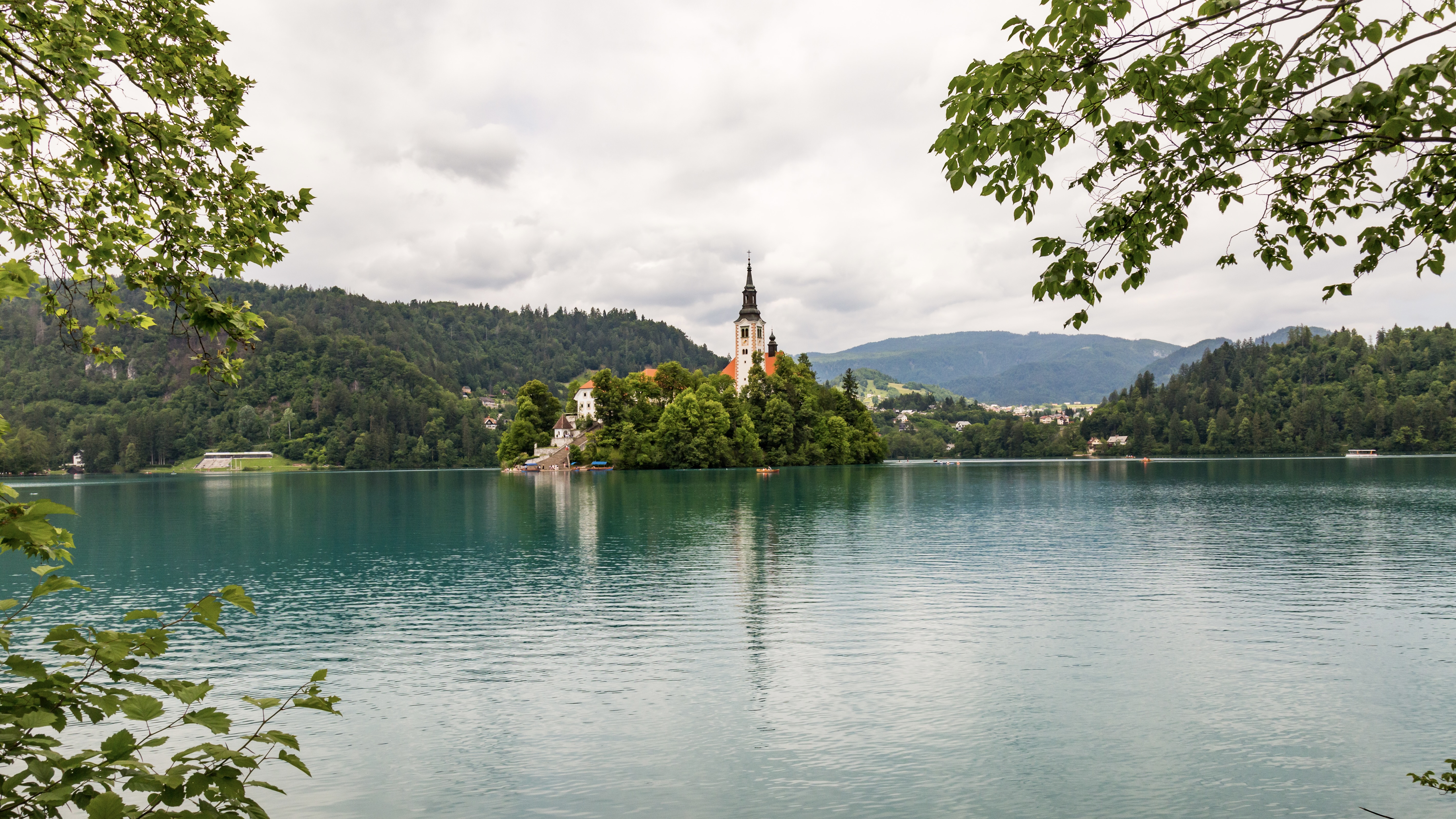
Tucked up against the northeast side of the rugged Julian Alps near the Austrian border, Lake Bled comes complete with a sweeping alpine panorama, a cliff-hanging medieval castle, a lazy lakeside promenade, and a fairy-tale island topped with a church. Since the Habsburg days, this is where Slovenes take their guests – whether kings or cousins – to show off their country’s natural beauty. And rightfully so.
Everyone here seems to stroll around the lake on its scenic four-mile path. At a leisurely pace, the path takes about an hour and a half, but I’d allow more time for snapping photos of the ever-changing views. While walking the promenade is slo-mo bliss, biking lets you fast-forward between the views of your choice. On the path, you'll also pass several imposing villas, mostly built by local aristocrats in the early 19th century. The most significant was a former residence of Yugoslav president-for-life Marshal Tito – today the Hotel Vila Bled, a fine place to stop for a coffee and pretend Tito invited you to drop by.
No visit to Lake Bled is complete without a trip to its steeple-capped island, which nudges the lake's quaintness level over the top. The most romantic route to the island is to cruise on one of the distinctive flat-bottomed pletna boats. Like the iconic gondolas of Venice, these boats carry on a tradition dating back generations. Locals still build their pletnas by hand with larch wood from a design passed down from father to son for centuries. There's no keel, so the skilled oarsmen work hard to steer them with each stroke. While watching them row is a special experience, a pletna ride is expensive — and the oarsmen stick close to their 30-minute waiting time on the island. For a more flexible, cost-friendly option, rent a simple wooden rowboat and observe the pletnas at work as you paddle yourself to the island.
The Church of the Assumption, which sits atop the tiny island, is the fifth house of worship to occupy this spot — which was originally the site of an eighth-century Slavic pagan temple. Today’s Baroque version is popular for weddings, even if tradition dictates that the groom carries the bride up the 99 steps leading from the boat dock to the church door. Inside, hanging in the middle of the aisle just before the altar, is the church bell. A local superstition claims that if you can get this bell to ring three times with one big pull of the rope, your dreams will come true.
For the more adventurous, hiking paths lead up into the hills surrounding the lake. The mountains poking above the ridge at the far end of the lake are crowned by the three peaks of Mount Triglav — Slovenia’s highest peak and national symbol. The big mountain behind the town of Bled is Stol (“Chair”), part of the Karavanke range that defines the Austrian border. Bled is a great jumping-off point for a car trip through the Julian Alps, and a wide variety of other worthwhile side-trips are right at its doorstep.
For more fine views, hike up to Bled Castle. Dating in one form or another from about 1,000 years ago, this was the seat of the Austrian bishops of Brixen, who controlled Bled in the Middle Ages. The various sights at the castle – a decent history museum, frescoed chapel, old-fashioned printing press, and wine cellar – are cute, but the real reason to come up here is to bask in the sweeping panoramas.
After a long, hard day of lake strolling and vista-viewing, reward yourself with some of Bled’s famous desserts. The town’s specialty is a cream cake called kremna rezina, with layers of cream and vanilla custard artfully sandwiched between sheets of delicate, crispy crust. Slovenes travel from all over the country to sample this famous dessert. Slightly less renowned, but just as tasty, is grmada (literally "bonfire"), a tasty treat developed by a Bled hotel as a way to use their day-old leftovers: Take yesterday's cake, add rum, milk, custard, and raisins, and top it off with whipped cream and chocolate syrup.
Dessert in hand, sit on a dock, dip your feet in the water, and watch the lake’s resident swans. As you do, you may find yourself wondering why more travelers don’t put Slovenia higher on their itineraries.
========
(Rick Steves (www.ricksteves.com) writes European guidebooks, hosts travel shows on public TV and radio, and organizes European tours. This column revisits some of Rick's favorite places over the past two decades. You can email Rick at rick@ricksteves.com and follow his blog on Facebook.)
©2026 Rick Steves. Distributed by Tribune Content Agency, LLC.
(c)2026 RICK STEVES DISTRIBUTED BY TRIBUNE MEDIA SERVICES, INC.









Comments