
Environmental Nutrition: How can you spot the red flags of a fad diet?
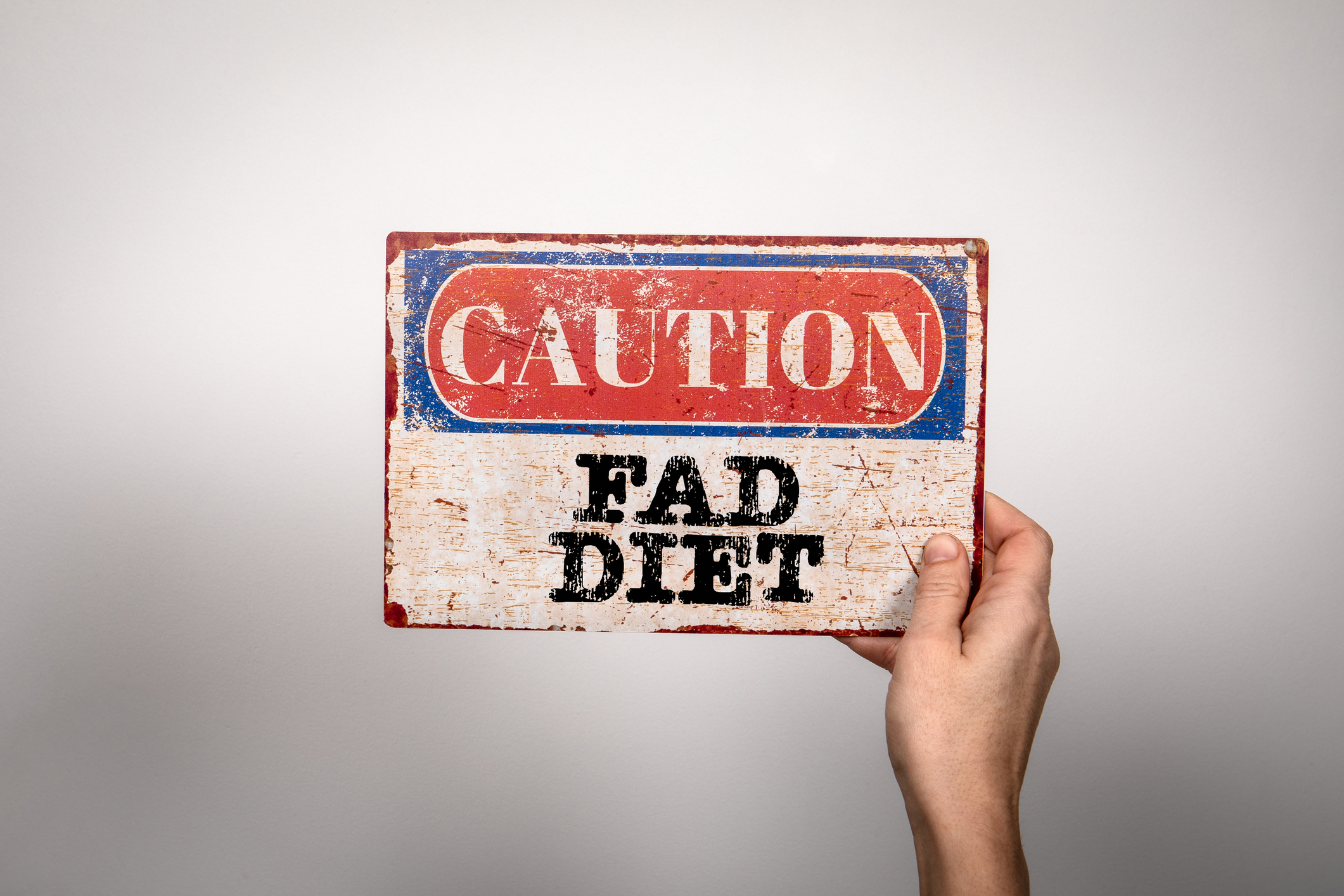
New diets seem to pop up every week, often promising fast weight loss, better health or “detox” benefits. While some eating plans are helpful,manyarefaddietsthataren’tsustainable—or healthy.
One major red flag is big promises with little effort, such as losing a large amount of weight in a short time or “resetting” your metabolism. If a diet sounds too good to be true, it probably is. Fad diets also tend to eliminate entire food groups, like carbohydrates, fruits, or dairy, without a medical reason. Cutting out foods unnecessarily can make it harder to meet your nutrient needs.
Another warning sign is rigid rules. Plans that require strict timing, special products or “cheat day” penalties can create stress around eating. Many fad diets rely on testimonials instead of science, using before-and- after photos rather than credible research.
Healthy eating doesn’t need extreme rules. Evidence-based approaches focus on balance, flexibility, and long-term habits — not quick fixes. If a diet encourages fear of food, promises instant results, or feels impossible to maintain, it’s likely a fad. Choosing a realistic, enjoyable way of eating is far more effective for lasting health.
(Environmental Nutrition is the award-winning independent newsletter written by nutrition experts dedicated to providing readers up-to-date, accurate information about health and nutrition in clear, concise English. For more information, visit www.environmentalnutrition.com.)
©2026 Belvoir Media Group, LLC. Distributed by Tribune Content Agency, LLC.









Comments