
My Pet World: Leash reactivity — When other dogs send your dog over the top


Dear Cathy,
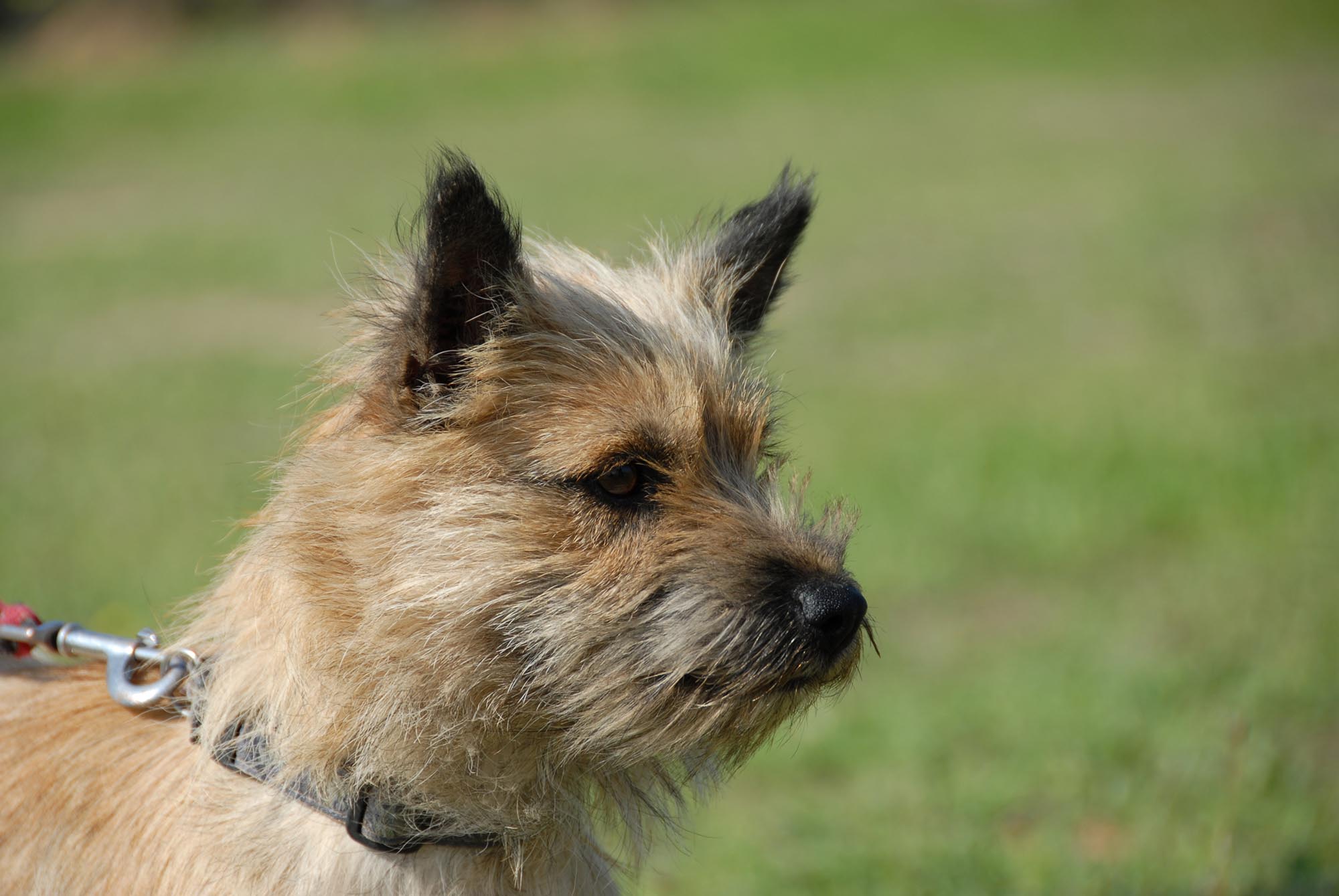
We adopted Dodger at 18 months. He wins at tug of war most of the time. He is mouthy. He kennels nicely and seems like he has had some prior training. Dodger will be two in August. His downside, though, is when he sees another dog, or sometimes cars while walking, and he goes totally nuts. Dodger can spin/jump 360 degrees in a tenth of a second and is oblivious to any kind of command. We had a behavior specialist work with him for two hours. The best thing we got out of that was a controllable choke rope. The more we walk, the slacker the rope has become, but the events with other dogs continue.
— Larry, Banged up in Tucson, Arizona
Dear Larry,
Behavior problems like this generally aren’t resolved in a single two-hour session. A behavior professional will often need several sessions to observe Dodger, develop a training and management plan, teach you how to implement it, and then make adjustments based on how he responds. So, don’t discount the benefits of working with a behaviorist, or finding another qualified professional if the first one wasn’t a good fit. Look for someone experienced specifically with leash reactivity and expect this to be a process rather than a one-time lesson.
The good news is that you are already seeing progress. You mentioned that the rope has become slacker the more you walk him, which suggests Dodger is learning to walk more calmly without constantly pulling against the leash. Be sure to reward that loose-leash walking so he knows that’s the behavior you want. The next challenge is helping him maintain that same calmness and connection with you when another dog or car appears.
That’s where timing becomes important. By the time Dodger is spinning, jumping, and oblivious to you, he is already too worked up to listen or respond to commands. The goal is to recognize when his excitement is beginning to build and redirect him before he reaches that point.
I also suggest changing the equipment you are using. A head halter, such as a Gentle Leader® or Halti®, may give you better control of Dodger’s head and direction when he suddenly lunges or spins, without relying on pressure around his neck. Head halters work somewhat like a halter on a horse: when you control the head, you have greater ability to redirect the body. They do need to be properly fitted, and most dogs need to be gradually introduced to wearing one with treats and short practice sessions before using it on walks. Keep in mind that a head halter is a management tool, not a cure for reactivity. You still need to work on changing Dodger’s response to dogs and cars.
Start by figuring out how far away Dodger needs to be from another dog while still noticing the dog and maintaining that connection with you. That might be 20 feet, 50 feet, or even farther at first. The moment he sees another dog, but before he reacts, get his attention and reward him generously with a high-value treat. You want him to learn to stay calm and connected to you, even when another dog is nearby.
Distance will be one of your most useful tools. Cross the street, turn around, step into a driveway or move behind a parked car when necessary. Forcing Dodger to pass another dog closely while he is struggling to stay under control offers no benefit. Every successful encounter at a manageable distance gives him an opportunity to practice a different response.
Finally, set Dodger up for success. For now, choose quieter walking routes and times of the day when you are less likely to encounter lots of dogs or traffic. The fewer times he spins and lunges at someone, the more opportunities you have to reinforce the calmer behavior you want. And don’t measure success by whether he can immediately walk past another dog on the same sidewalk. Success might initially mean seeing a dog from 50 feet away, staying connected to you, taking a treat, and moving on without reacting. As he improves, you can gradually decrease that distance.
Dodger is still young, and the progress you’re already seeing with his loose-leash walking shows he can learn. Reward those good moments, work below his reaction threshold, and get some additional help from a behavior or trainer. The goal is not simply to control Dodger when he reacts, but to help him learn that he doesn’t need to react in the first place.
_____
_____
========
(Cathy M. Rosenthal is a longtime animal advocate, author, columnist and pet expert who has more than 25 years in the animal welfare field. Send your pet questions, stories and tips to cathy@petpundit.com. Please include your name, city, and state. You can follow her @cathymrosenthal.)
©2026 Tribune Content Agency, LLC.
(c) 2026 DISTRIBUTED BY TRIBUNE MEDIA SERVICES, INC.






Comments