
My Pet World: On the road with cats – and why they always pick the person ignoring them



Dear Cathy,
I am seeking your advice on taking a trip with our two cats who are about 15 months old. My husband is in the beginning stages of dementia, and they have become a support for him. The drive is about 12 hours on the first day and six hours on the second. In addition, we are trying to get them used to a harness to be able to walk them, but so far, no luck at all.
— Cindy, St. Louis, Missouri
Dear Cindy,
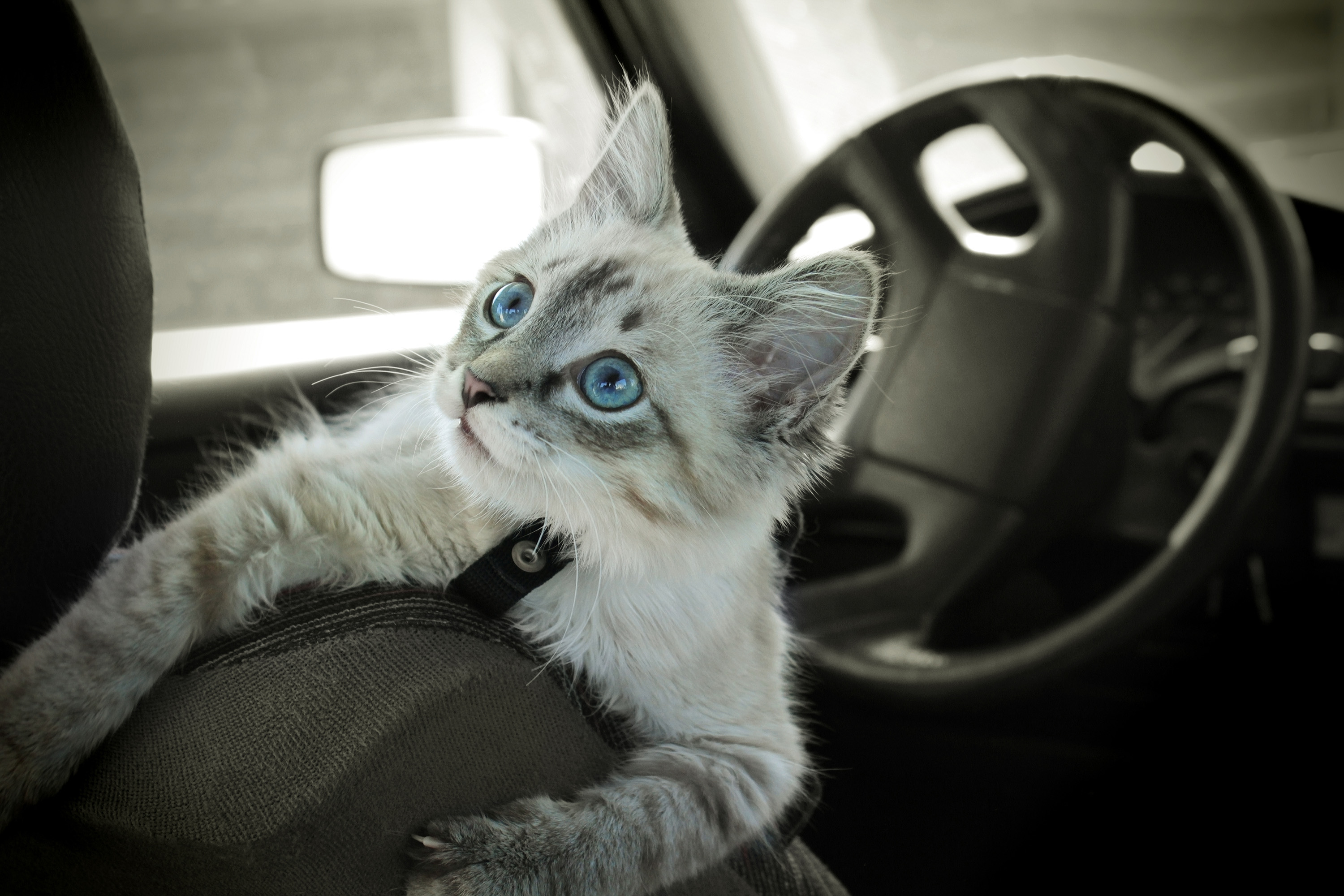
A road trip with cats is possible, but it takes a little planning. Start by leaving the carriers out and open in your home with soft bedding and treats inside so they become a familiar, safe place rather than something that only appears before a car ride to the vet’s office.
Next, begin with several short drives around the block, gradually increasing the length of each trip. This helps your cats get accustomed to riding in the car and lets you know if they are prone to motion sickness or anxiety. If they are, your veterinarian can prescribe medication for the trip. There are also over-the-counter calming products that may help. If you decide to use either, try it several days before you leave so you know how your cats will respond to it.
Before you leave, pack your cats' regular food, water, medications, litter box, litter, favorite blankets or toys, and anything else that smells like home. Familiar scents can go a long way toward reducing stress.
Keep your cats safely secured in their carriers whenever the vehicle is moving. Never let them roam freely inside the car, as they can become frightened or distract the driver. Most cats will sleep through much of the trip.
On long travel days, stop periodically to offer water, food, and a chance to use the litter box, but only in a secure location, such as your hotel room or inside a parked vehicle with all doors and windows closed. Some cats won't eat much until the day's travel is over, and that's perfectly normal, though they may still need to use the litter box. Whenever your cats are out of their carriers, remain inside the vehicle with them, and do not open any doors or windows until they are safely back in their carriers.
As for harness training, do not give up. Many cats act as though they have forgotten how to walk the first time a harness goes on. Start by letting your cats wear the harness indoors for a few minutes while offering treats or playtime. Once they seem comfortable – which may take several days – attach the leash and let them drag it around the house under your supervision before picking it up and walking with them. Some cats take to a harness quickly, while others never really enjoy it, and that's OK. The goal is just to help them feel comfortable and safe should they ever need to wear one.
Dear Cathy,
I grew up with dogs, but I always wanted a cat, so after my parents divorced when I was 13, my mother adopted a cat. Months later, it was determined I was allergic to cats. So, she re-homed him, much to my dismay.
Decades later, my husband and I had dogs while our children were growing up. During those years, I would frequently visit friends’ homes where there were cats. I purposely avoided any interaction with them because of allergies. But invariably the cats would come to me for attention, anyway. I used to think they instinctively knew that I adored them, but eventually I decided that what they were responding to was the fact that I ignored them!
— (Another) Kathy, Avon, CT
Dear Kathy,
It’s true. Cats often seem drawn to the one person in the room who isn’t trying to pet them. That's because many cats appreciate the freedom to make the first move. A person who isn't making direct eye contact, reaching toward them, or moving into their space can seem less intimidating, giving the cat the confidence to approach on his or her own terms.
Often the quickest way to earn a feline's trust and make friends is to pretend you are not interested. If you are hoping a cat will leave you alone... well, good luck. Cats seem to have a remarkable talent for seeking out the one person who least wants their attention.
Of course, I would like to think the cat sensed that beneath your deliberate indifference was someone who truly loved cats.
_____
_____
========
(Cathy M. Rosenthal is a longtime animal advocate, author, columnist and pet expert who has more than 25 years in the animal welfare field. Send your pet questions, stories and tips to cathy@petpundit.com. Please include your name, city, and state. You can follow her @cathymrosenthal.)
©2026 Tribune Content Agency, LLC.
(c) 2026 DISTRIBUTED BY TRIBUNE MEDIA SERVICES, INC.







Comments