
My Pet World: Two playtime problems, two simple solutions


Dear Cathy,
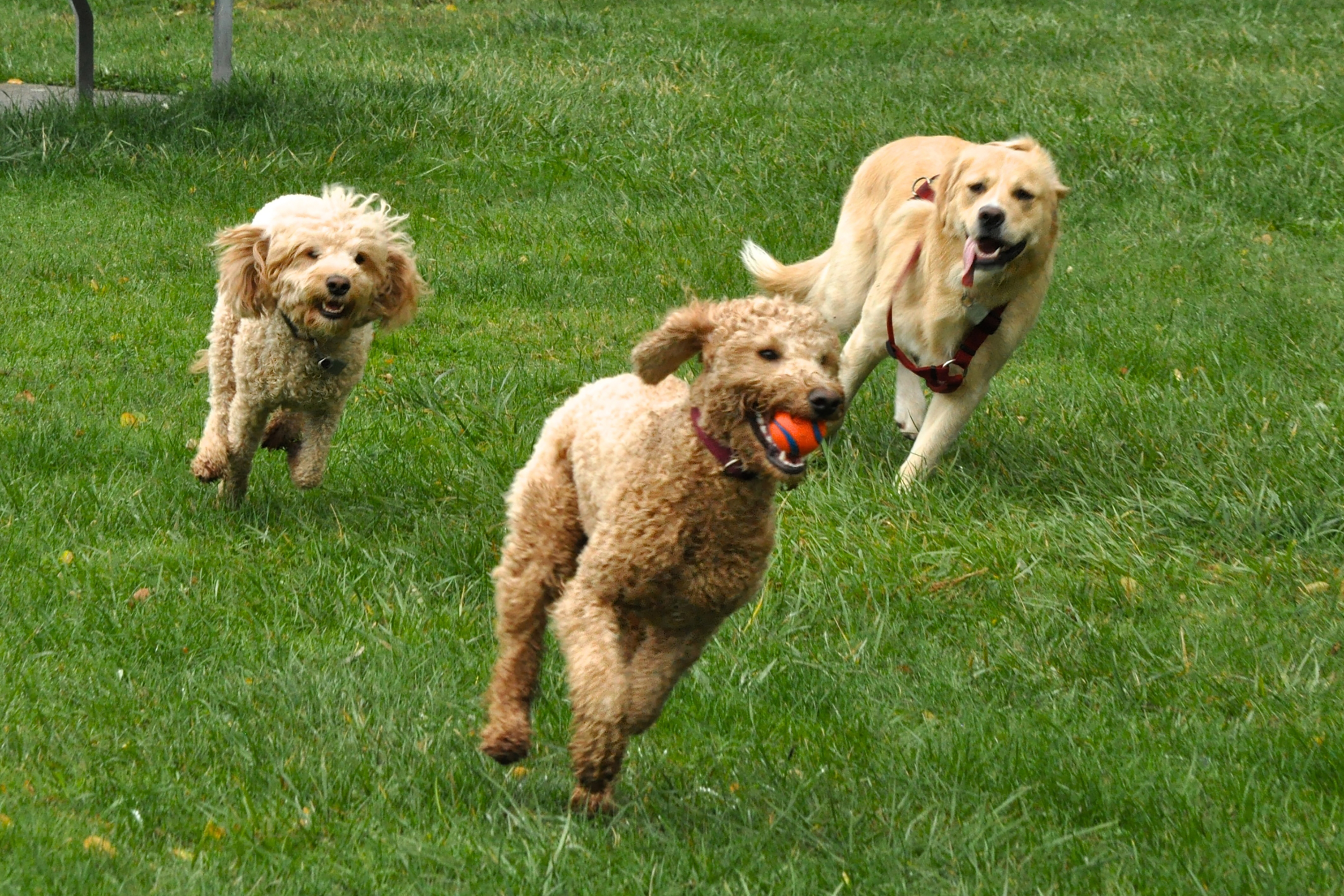
I have a four-year-old female black lab. She is very social and loves to play with other dogs. We meet up with the same group of dogs every morning and they all get along great.
The problem is my dog has started humping one of the other dogs instead of playing with her. This dog is also a female black lab and is two years old. They used to play well together until the other dog got spayed. The other dog doesn't seem to care when my dog is humping her and neither dog shows any aggression. Is there a way to stop this behavior? And why did she start doing this?
— Kristi, Seaford, New York
Dear Kristi,
While spaying changes hormone levels, there is no evidence that it causes another dog to begin mounting, so the timing of the behavior may just be coincidental. In fact, mounting or humping behavior is often less about sex and more about excitement, play, or emotional arousal, especially when it is directed at a familiar dog.
Because the other dog isn't reacting negatively and there is no aggression between them, this sounds more like an overly enthusiastic play behavior than a serious problem. Some dogs become so excited during play that mounting becomes an outlet for that excitement. It is the doggie equivalent of saying, “Hey friend, I am so excited to see you!”
Even if the other dog seems tolerant now, they may not always be – and other dogs may not like it, either, so it is important to interrupt and redirect this behavior to prevent it from escalating into a fight.
Rather than waiting until your dog is fully engaged in the behavior, watch for signs that she is becoming overexcited. As her play becomes faster, more intense, or increasingly focused on one dog, she is beginning to lose her "thinking brain." That is the perfect time to interrupt with a cue such as "Oops!" or "Let's go!" and redirect her to another activity, such as retrieving a ball, practicing a few training cues, or taking a brief sniff break. Reward her with treats for choosing the new activity.
If play sessions regularly become this intense, build in a few short breaks so she has a chance to settle down before resuming play. Think of it as hitting the reset button. A short break often helps dogs calm down and return to playtime with better manners.
Dear Cathy,
I have a four-year-old dog that is half Chesapeake Retriever/half Rottweiler, who loves a ball or a stick to carry around. The problem is that he doesn't ever want to give it up. It makes it almost impossible to play with him. The only way I can get him to give up the toy is to throw him another one. So, he gives up one to go after the second one.
He is a very sweet dog, but I don't think he got the proper attention and socialization as a young puppy. We got him when he was about six or seven months old and we were the fifth family to own him. We do not know much about his original family or his litter mates.
Any suggestions?
— Don, Richmond, Virginia
Dear Don,
After bouncing through five homes before he was a year old, it is wonderful that he has found a family willing to give him the stability he deserves.
As for your problem, you are already halfway to solving it. The fact that he will readily drop one toy to chase another is good news. It tells us the toy itself isn't the issue. He just hasn't learned that bringing it back and letting go are part of the game.
Rather than throwing the second ball immediately, begin by trading the first toy for a high-value treat. As he drops the toy to take the treat, say, "Drop it," praise him enthusiastically, and then throw the ball again. After he begins to understand the cue, gradually replace the food reward by restarting the game with the second ball. Before long, he will learn that giving up one toy doesn't end the fun; it keeps it going.
You can also practice "drop it" away from playtime. Offer him a toy, then trade it for a high-value treat. As soon as he releases the toy, say "drop it," reward him with the treat, and then hand the toy right back. This teaches him that surrendering an object doesn't mean losing it forever. In fact, good things happen when he lets go.
Before long, he will realize that bringing the toy back is what keeps the game going.
_____
_____
========
(Cathy M. Rosenthal is a longtime animal advocate, author, columnist and pet expert who has more than 25 years in the animal welfare field. Send your pet questions, stories and tips to cathy@petpundit.com. Please include your name, city, and state. You can follow her @cathymrosenthal.)
©2026 Tribune Content Agency, LLC.
(c) 2026 DISTRIBUTED BY TRIBUNE MEDIA SERVICES, INC.






Comments