
My Pet World: Helping an anxious dog learn to be alone



Dear Cathy,
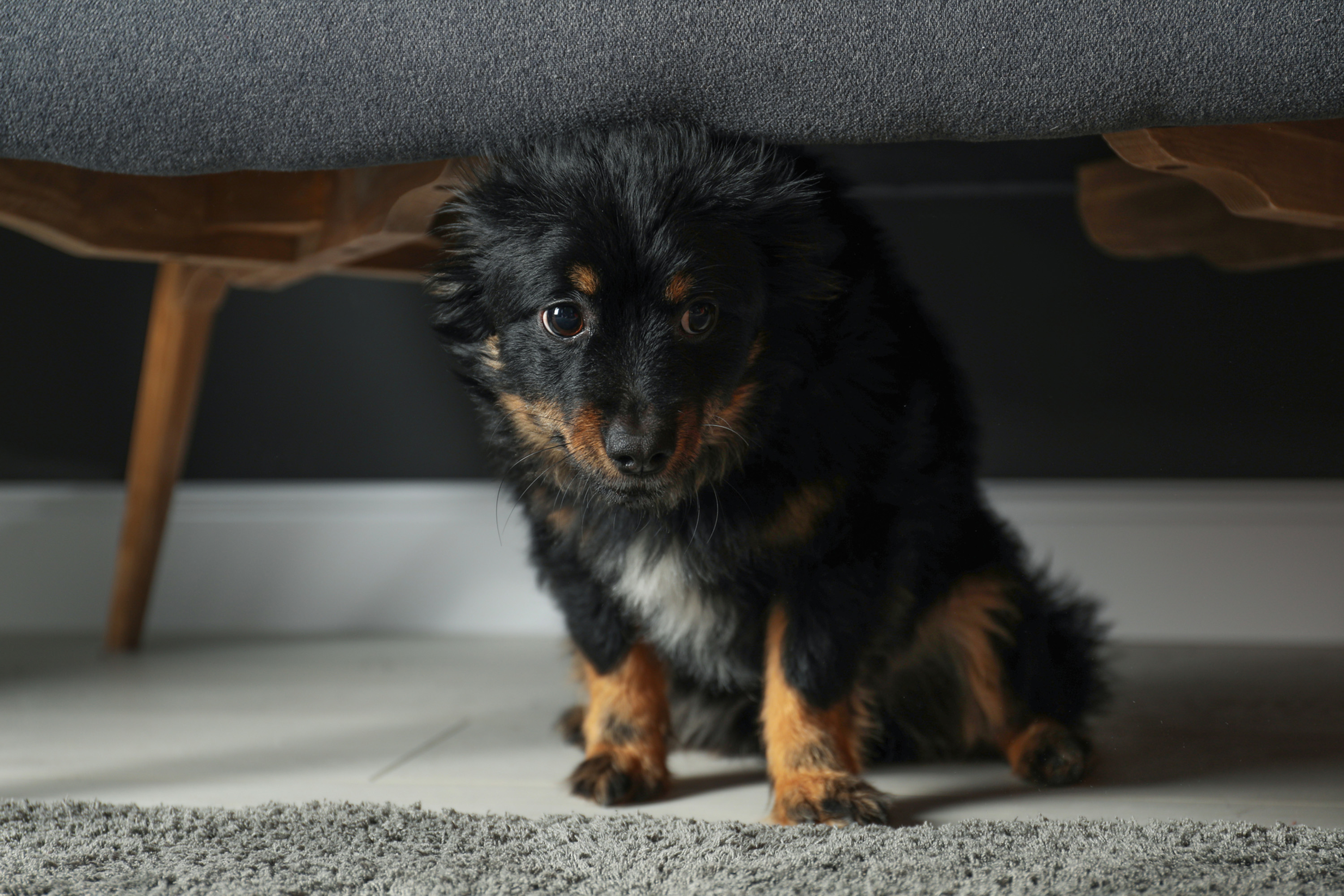
I am asking your advice for my brother, Tom, who lives in Chesapeake, Virginia. He writes, "I have a six-year-old adopted rescue dog since June 13 that has separation anxiety when I leave for an extended time. He has left some "presents" on occasion. I tried gating him in a smaller area, but he is agile enough to jump over gates. Finally I tried crating him, but he had a meltdown, and I don't want him to hurt himself. I have an open crate in the living room where we leave him and am starting to investigate the open-door crate. I would like to leave him in the crate until he can be trusted, but not sure how to acclimate him to being confined." Thanks for any helpful suggestions.
— Denise, New Hyde Park, New York
Dear Denise,
If his dog panics in the crate, putting him there when he leaves could result in injury and make his anxiety worse. For that reason, I would look for another option when Tom needs to leave him alone. While the dog may be able to jump over a gate, how does he do in a bedroom or another dog-proofed room? If he isn’t destructive, giving him more space may actually help him settle. He can move around, change sleeping spots, drink water, and choose where he feels most comfortable.
That doesn't mean I would give up on crate training. It's a valuable skill for every dog to learn. A dog who is comfortable in a crate will be better prepared if he ever needs to be confined during travel, boarding, grooming, veterinary care, recovery from an illness or surgery, or an emergency or evacuation. The crate can also become a safe, comfortable place for the dog to rest. The goal, though, is to teach him that the crate is a safe place before asking him to spend time there with the door closed.
Your brother, Tom, should work on both crate training and separation anxiety training, but separately. For now, keep the crate door open and make it a positive place. Feed him there, toss treats inside, and give him special chews or food-stuffed toys in the crate. Once he's voluntarily relaxing there, Tom can close the door for just a few seconds while remaining nearby, opening it again before the dog becomes anxious. He can gradually increase the time with the door closed as the dog becomes more comfortable.
At the same time, introduce separation anxiety training. Tom can practice very short departures – sometimes just seconds at first – and gradually increase the time away, always returning before the dog becomes distressed. He should also keep departures and homecomings calm and matter-of-fact rather than making them big events. Giving the dog a special food-stuffed toy when he leaves can help him develop a more positive association with being alone. Tom can also practice picking up his keys, putting on his shoes, or doing other things that normally signal he's leaving without actually going anywhere, so those cues become less stressful for his dog. The key is to progress slowly. If the dog becomes anxious, Tom should shorten the next absence rather than trying to make him “tough it out.”
If accidents occur primarily when Tom is gone, they may be related to anxiety rather than housetraining. A good walk and potty break before Tom leaves may help.
Tom might also try a canine pheromone plug-in diffuser or collar or over-the-counter calming chews, which can have a calming effect.
If Tom’s dog continues to panic when left alone, though, I recommend he talk to a veterinarian. Significant separation anxiety sometimes requires anti-anxiety medication along with behavior modification. The goal is to help his dog learn that he will always come back.
Dear Cathy,
I have a 14-month-old, 16-pound Cavapoo who is extremely smart and full of personality, but she needs some professional training, particularly with jumping and becoming overly excited. I've asked several people in Omaha for trainer recommendations but haven't had much luck. Is there a professional organization or referral service that can help me find a reputable dog trainer in my area?
— Dave, Elkhorn, Nebraska
Dear Dave,
There are several professional organizations that maintain searchable directories of dog trainers. The Certification Council for Professional Dog Trainers (CCPDT) and the International Association of Animal Behavior Consultants (IAABC) both have directories you can search by location. Look for someone who uses positive, reward-based training methods and has experience working with the issues you describe. They should be able to help you channel all that youthful enthusiasm into calmer, more appropriate behaviors.
_____
_____
========
(Cathy M. Rosenthal is a longtime animal advocate, author, columnist and pet expert who has more than 25 years in the animal welfare field. Send your pet questions, stories and tips to cathy@petpundit.com. Please include your name, city, and state. You can follow her @cathymrosenthal.)
©2026 Tribune Content Agency, LLC.
(c) 2026 DISTRIBUTED BY TRIBUNE MEDIA SERVICES, INC.







Comments