
My Pet World: Helping cats cope when you’re away — and other pet behavior questions



Dear Cathy,
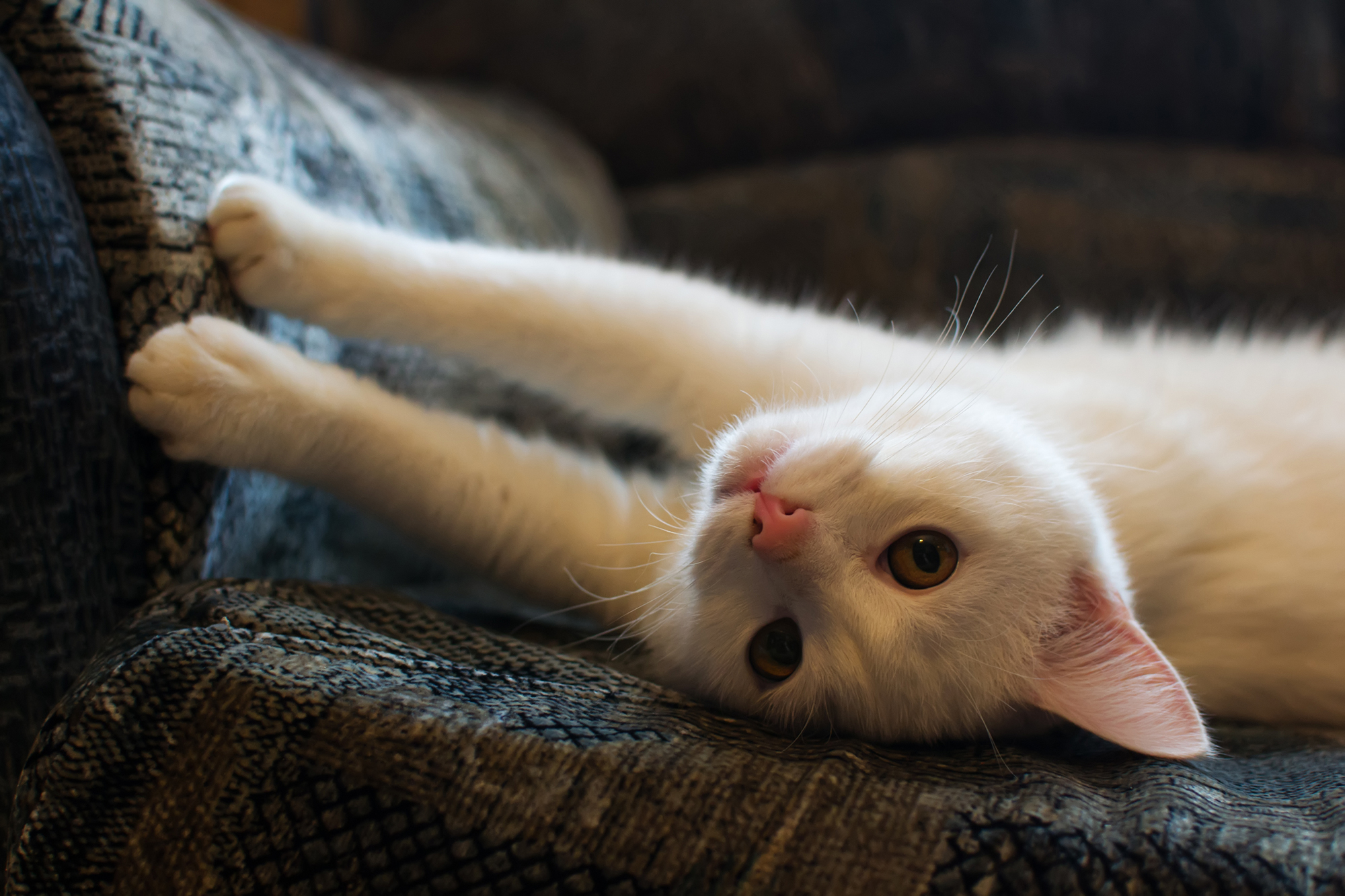
I have a six-year-old lap cat who follows me from room to room and is very much my constant companion. I am going out of town for six nights, the longest I have ever left her. A teenager will come by twice a day to feed her, but I worry that may not be enough. My son could take her to his house, but would she be more comfortable staying in the only home she has ever known? Or should I hire a house sitter?
— Barb, Downers Grove, Illinois
Dear Barb,
Most cats are more comfortable staying in their own homes while their people are away. Cats are territorial and generally prefer familiar surroundings, smells, hiding places, and routines. So, unless your cat is already very comfortable at your son's house, I would leave her at home rather than move her for the week.
Having someone come twice a day is a good start but ask the teenager to do more than feed her and clean the litter box. Ask him or her to spend 20 to 30 minutes with her during each visit – petting her if she wants attention, playing with her, or simply sitting quietly with her. As a lap cat, she may especially appreciate having someone there just to keep her company.
If the teenager can't spend that kind of time with her, consider having a pet sitter make one longer visit each day. I don't think you need someone to stay overnight unless your cat becomes stressed when you're gone. If extra visits aren't financially feasible, don't worry. She should be fine with twice-daily care. The additional companionship would simply be a nice extra if you are able to provide it.
To help her during this time, leave out some favorite toys and perhaps a sweater of yours on the bed or couch so she can snuggle in your scent. Also, keep a radio or television on if she is accustomed to hearing those sounds when you are home. Ask the sitter to text you a photo and brief update each day, and to mention if she is eating normally. Besides reassuring you, it gives you a chance to monitor how she is doing.
She will notice you are gone, so don’t be surprised if she "gripes" when you return. She will forgive you and be back on your lap soon enough, but she may have something to say about your absence first.
Dear Cathy,
In a recent letter, I was surprised you didn't address something about the family dog that bit the husband. Carol wrote, "My husband bent over to pet her, and she latched onto his hand."
I have always been taught that you should never bend over a dog and approach with your hand coming down over the dog's head because the dog may see that as threatening. Instead, when petting a dog, I was taught to approach with an open hand toward the dog's chin.
Is that still considered good advice? Could the way Carol's husband approached the dog have contributed to the bite?
— David, St. Louis, Missouri
Dear David,
You are right. I missed sharing that insight. I teach humane education and always teach children not to lean over a dog, as that can feel threatening or scary for them.
I would make one adjustment, though. Rather than approaching a dog or reaching a hand toward them, let the dog choose to approach you. If they seek interaction, stand beside them rather than leaning over them, and pet them gently on the shoulder or side – not on the head. Giving the dog that choice helps them feel more comfortable and secure.
As for whether it contributed to the bite, it's impossible to know for certain. But some dogs do feel threatened or uncomfortable when someone leans over them, so it certainly could have been a factor.
Dear Cathy,
For me, the easiest way to keep my cats off my counters is to make it a place they don’t want to be. Whenever they receive medicine, flea drops, or get their nails trimmed, it’s done on the counters. They know to stay off counters because of the negative association.
— Alice, St. Louis, Missouri
Dear Alice,
That's a very clever approach. Animals do remember places and experiences, so making an area less appealing is certainly a good way to go about it. In your case, the negative association isn't punitive or frightening (thank you). It's simply that your cats learned the counter is a place to avoid. You have a good understanding of feline behavior.
_____
_____
========
(Cathy M. Rosenthal is a longtime animal advocate, author, columnist and pet expert who has more than 25 years in the animal welfare field. Send your pet questions, stories and tips to cathy@petpundit.com. Please include your name, city, and state. You can follow her @cathymrosenthal.)
©2026 Tribune Content Agency, LLC.
(c) 2026 DISTRIBUTED BY TRIBUNE MEDIA SERVICES, INC.







Comments