What Your Pet Does When You’re Not Home (and Why It Matters)
Published in Cats & Dogs News
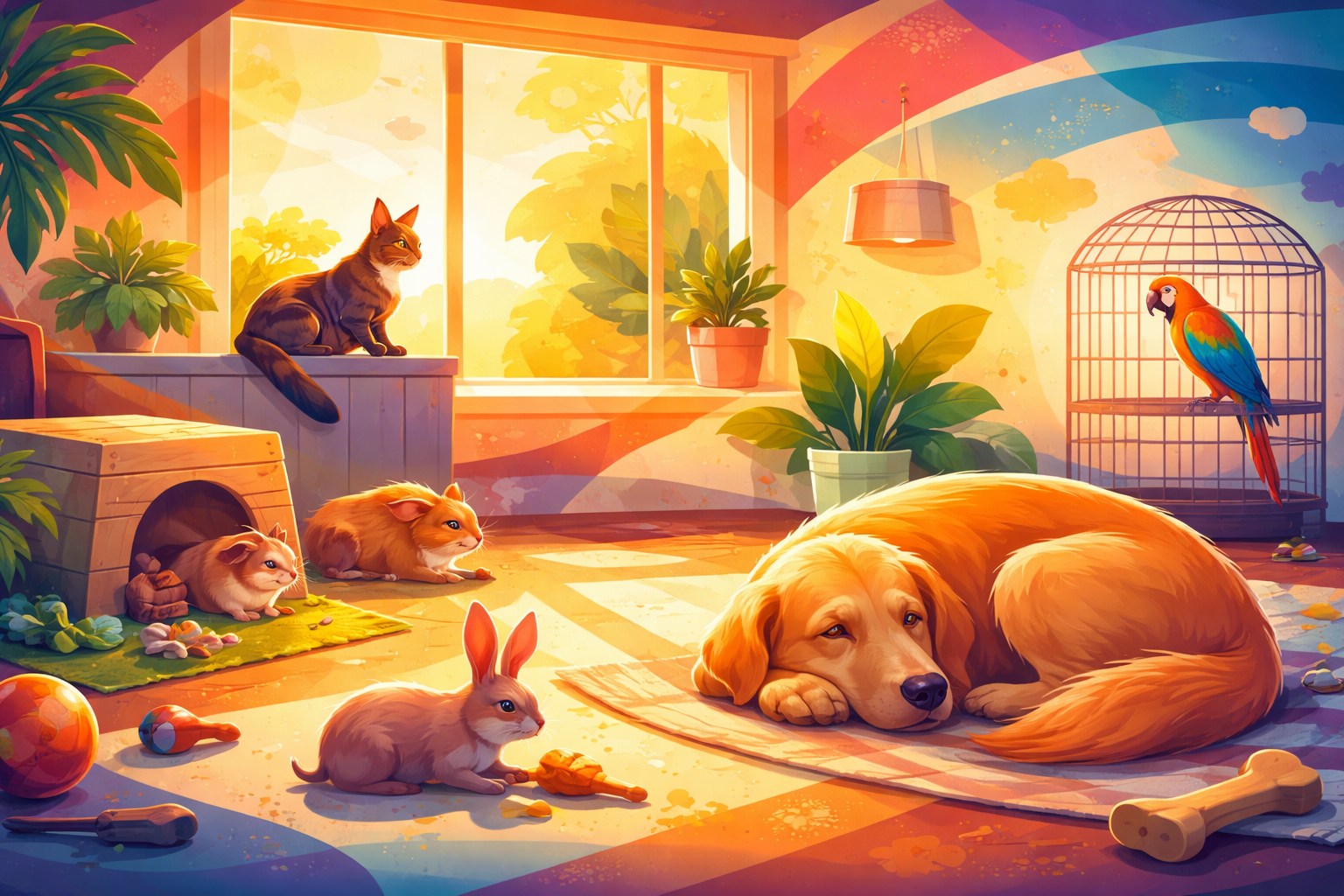
For many pet owners, the daily ritual of leaving the house comes with a familiar question: *What do they do all day without me?* While we imagine naps, window-watching, or mild mischief, the truth is more complex—and more revealing. What pets do when we’re gone offers insight into their emotional lives, their coping strategies, and how deeply our presence shapes their sense of safety.
Modern research, home cameras, and behavioral studies have quietly overturned the old assumption that animals simply “wait” for us. Instead, they adapt, self-soothe, explore, and sometimes struggle. Understanding those behaviors doesn’t just satisfy curiosity; it can meaningfully improve their well-being.
Dogs: Guardians, Wanderers, and Silent Worriers
Dogs, being social animals shaped by thousands of years of human companionship, often experience absence more acutely than we expect. While many dogs sleep for large portions of the day, that sleep is not always the deep, relaxed rest we imagine.
Studies using motion tracking and cortisol (stress hormone) measurements show that many dogs cycle between light sleep, alert monitoring, and periodic patrols of their home territory. Doors, windows, and familiar resting spots near entryways are common anchor points. This isn’t boredom—it’s vigilance.
Some dogs engage in what behaviorists call “anticipatory routines.” They check favorite rooms, return to resting places, and repeat these loops throughout the day. Others adopt displacement behaviors: licking paws, chewing toys excessively, or pacing. These actions are not signs of disobedience but self-regulation.
Why it matters: Dogs that cannot settle into relaxed rest during alone time may experience chronic low-level stress. Over time, this can manifest as separation anxiety, digestive issues, or reactivity. Providing predictable departure routines, background noise, and enrichment toys isn’t indulgence—it’s preventative care.
Cats: Independent, Yes—Indifferent, No
Cats have long been framed as emotionally self-sufficient. Camera footage tells a different story.
Most cats follow a structured routine when alone: periods of sleep interspersed with exploration, grooming, and environmental monitoring. Window perches are prime real estate, offering visual stimulation that reduces stress. Cats also revisit areas that carry their human’s scent—beds, clothing piles, and favorite chairs—more frequently than random chance would suggest.
Some cats vocalize when alone, despite being quiet in company. Others show stress through over-grooming or sudden litter box changes. Importantly, these behaviors often go unnoticed because they occur exclusively in solitude.
Why it matters: Cats experience attachment differently, but no less deeply. Environmental enrichment, scent continuity, and maintaining consistent schedules can dramatically reduce stress-related behaviors. For multi-cat households, subtle shifts in alone-time dynamics can also reveal unrecognized tension between animals.
Small Pets: The Overlooked Emotional Lives
Rabbits, guinea pigs, birds, and rodents are often assumed to be passive when humans leave. In reality, many become more active.
Prey animals tend to reserve exploration and play for times when perceived threats are low. A quiet, empty house can feel safer than one filled with unpredictable human movement. Rabbits may binky, birds may vocalize more freely, and rodents often engage in extended foraging behavior.
However, this increased activity doesn’t always signal comfort. Some animals exhibit stress through repetitive motions—bar chewing, pacing, or feather plucking. These behaviors can be mistaken for “normal” simply because they happen out of sight.
Why it matters: Understanding when and how small pets are active helps owners design better habitats. Proper hide spaces, chew options, and social pairing (when appropriate) can transform alone time from stress to enrichment.
The Role of Routine: Animals Track Time Better Than We Think
Pets do not tell time by clocks, but they are exquisitely sensitive to patterns. Light changes, neighborhood noise, internal rhythms, and scent cues all help animals anticipate events.
Dogs often become more alert in the 30–60 minutes before their owner’s usual return. Cats may station themselves near doors or windows well ahead of arrival. These behaviors suggest not hope, but expectation.
Disruptions to routine—late nights, shift changes, irregular schedules—can cause more stress than brief absences. Animals prefer predictability over duration.
Why it matters: Consistency builds security. Even when schedules change, transitional cues—such as leaving a light on, using the same departure phrase, or maintaining feeding times—can help pets recalibrate.
When Absence Reveals Problems We Miss
Many behavioral issues only surface when pets are alone. Destructive chewing, inappropriate elimination, excessive vocalization, or shutdown behaviors may never occur in an owner’s presence.
Home monitoring has revealed that some pets who appear calm and affectionate actually experience significant distress once the door closes. Conversely, pets labeled as “naughty” may simply be expressing unmet needs.
Why it matters: Without understanding alone-time behavior, owners may misdiagnose problems or respond with ineffective discipline. Addressing the root cause—anxiety, boredom, or overstimulation—leads to better outcomes than correction after the fact.
What We Leave Behind Matters
Pets don’t just notice when we’re gone—they notice *what remains*. Scents, sounds, lighting, and temperature all influence how safe an empty home feels.
Clothing carrying a familiar scent can reduce stress. Soft background noise can mask sudden environmental sounds. Access to preferred resting spots increases relaxation. Even small changes—closing a door that’s usually open—can alter behavior.
Why it matters: Alone time is not neutral time. Thoughtful preparation of a pet’s environment communicates continuity and safety in our absence.
The Bigger Picture: Absence as a Relationship Mirror
What pets do when we’re not home reflects the quality of the relationship we build when we are. Animals who feel secure, stimulated, and understood tend to rest more deeply and explore more confidently. Those who struggle alone are not failing—they are communicating.
Understanding alone-time behavior shifts pet care from maintenance to relationship-building. It reframes enrichment, routine, and patience as essential tools rather than optional extras.
Pets don’t spend the day waiting for us in stasis. They live full emotional hours in our absence. Paying attention to that hidden half of their day is one of the most compassionate things an owner can do.
========
Marion Elbridge is a Virginia-based writer focusing on animal behavior, domestic life, and the quiet psychology of human–pet relationships. Her work explores how everyday routines shape emotional health across species. This article was written, in part, utilizing AI tools.








Comments