The New Attachment Figure: Why Pets Are Filling the Role of Best Friend, Therapist, and Anchor
Published in Cats & Dogs News
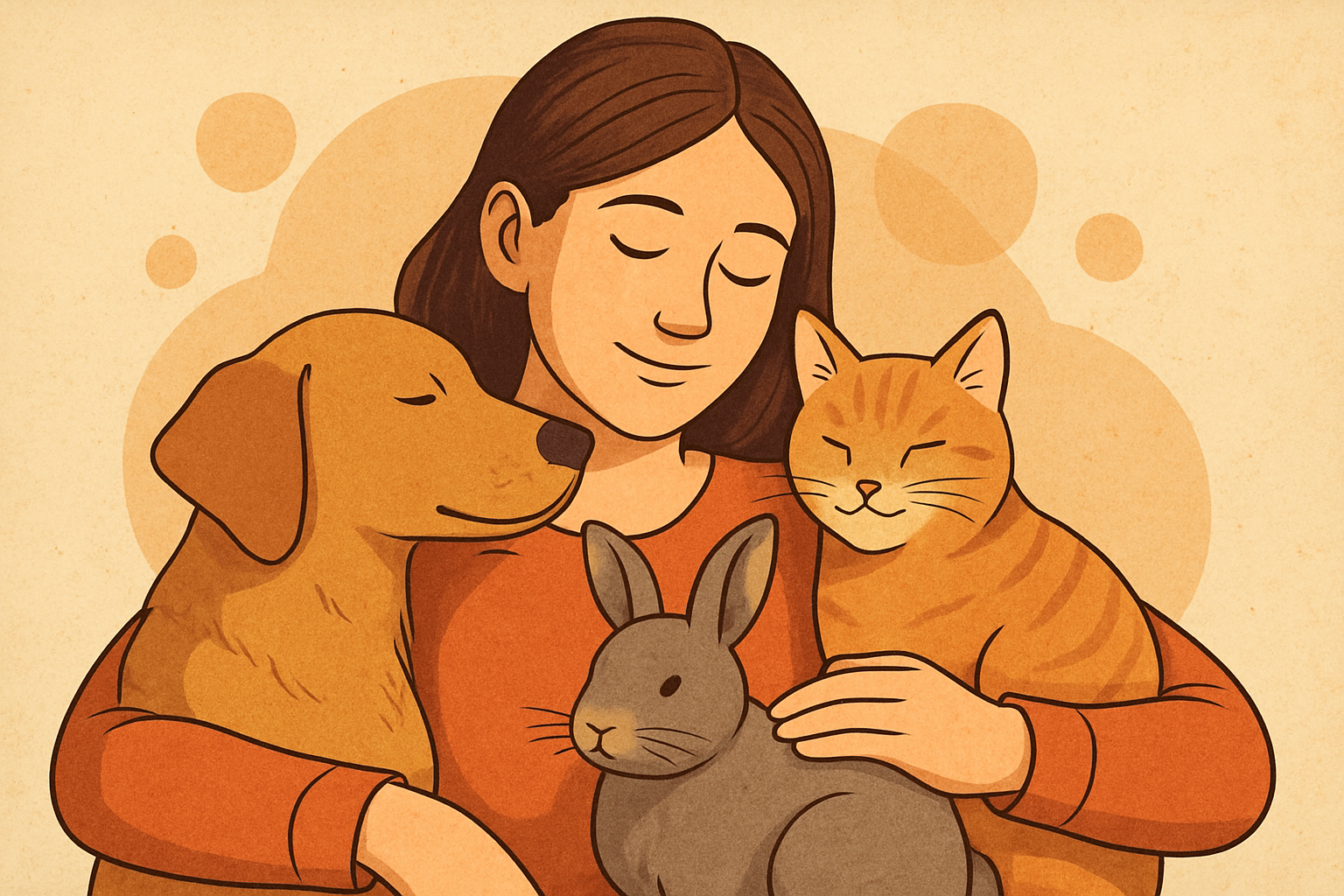
In living rooms, studio apartments, and suburban kitchens across the country, a quiet shift has taken place in the emotional architecture of modern life. Dogs curl beside laptops during work-from-home meetings. Cats perch on bookshelves during long nights of writing. Rabbits sit calmly beside children during moments of fear or uncertainty. Their presence has become more than comforting background companionship.
For many Americans, pets have become the primary attachment figure — the being in the home who offers stability, routine, affection, and a steady emotional baseline when the rest of life feels increasingly uncertain. Mental-health experts say this shift is not surprising. In an era marked by social fragmentation, digital overload, and rising loneliness, animals are stepping into roles once filled by close friends, extended family, or even long-term partners.
They are becoming, in effect, emotional first responders.
Changing Social Structures
Researchers at the University of Michigan’s Institute for Social Research have documented a sharp rise in the number of adults who live alone or lack a reliable support network. Younger adults, especially, report difficulty maintaining friendships due to economic pressure, distance, and burnout. Older adults face their own challenges: retirement, bereavement, and social isolation.
Pets, meanwhile, offer consistency. They do not relocate for jobs. They do not cancel dinner plans. They do not ghost anyone.
“Companion animals have become a stable source of connection in a world that feels increasingly unpredictable,” said Dr. Mariah Lerner, a psychologist who studies human-animal bonds. “We’re watching pets become the emotional hub around which entire households revolve.”
Dogs and cats have long been cherished companions, but the current attachment dynamic extends beyond affection; it increasingly mirrors the secure base traditionally provided by close interpersonal relationships.
The Therapist in Fur
The mental-health implications are profound. When a person forms a strong attachment to an animal, the psychological effects resemble those of supportive human relationships: lowered stress, reduced anxiety, and improved emotional regulation.
Studies published by the American Psychological Association show measurable drops in cortisol — a stress hormone — when participants interact with pets. Even brief contact, such as stroking a dog’s fur or watching a cat knead a blanket, can trigger oxytocin release. Known as the bonding hormone, oxytocin boosts trust, calm, and a sense of safety.
This is one reason animals feature prominently in therapy settings. Emotional support animals are increasingly common among people coping with trauma, chronic depression, or anxiety disorders. For some, their presence is not optional, but essential.
“People describe their pets as grounding,” Lerner said. “They provide a reference point — something warm and familiar in moments that would otherwise spiral.”
Pets do not offer clinical treatment, of course, but they create an environment in which people feel more capable of facing difficulties. For individuals who find it hard to be vulnerable around others, animals can model what safety feels like.
The Anchor in a Storm
Pets also offer daily structure, something mental-health professionals say is vital for resilience. Dogs need to be walked. Cats need feeding. Rabbits require gentle handling and consistent routines. These obligations create rhythm in a person’s day, whether they feel emotionally steady or not.
During the early months of the COVID-19 pandemic, shelters across the country reported record-high adoption rates. Many new pet owners cited the same reason for bringing an animal home: they needed something — or someone — to organize their days around.
Now, years later, the trend has held. For remote workers, retirees, and individuals living alone, pets serve as the anchor around which daily life coheres. A dog waiting by the door can pull a person outside into fresh air. A cat nudging an empty bowl can break a depressive cycle long enough to spark movement.
Routine, researchers say, is one of the most underestimated mechanisms for maintaining mental health.
Why the Shift Feels So Big
The emotional elevation of pets is not entirely new. Humans have bonded with animals for thousands of years. But today’s intensity reflects broader cultural changes.
Economic pressure leaves many adults delaying or forgoing relationships, marriage, and children. Urbanization and high mobility make long-term community ties harder to sustain. Technology simultaneously connects and distances people, producing a paradox in which many report more online interactions than real ones.
“In that kind of landscape,” Lerner said, “animals fill a human-shaped void.”
Pets do not judge. They do not compete. They do not demand explanations or apologies. Their constancy, and the nonverbal nature of their affection, can feel easier than navigating complex human expectations.
For some, this ease becomes the central emotional relationship in their lives.
Potential Downsides
Experts caution that while strong attachments to animals are healthy, they should not fully replace human connections. Overreliance can create challenges — especially when an animal ages or dies.
Veterinarians report an increase in cases in which the loss of a pet leads to significant psychological distress. For people whose pet is their primary attachment figure, the grief can be as intense as, or more intense than, the loss of a close relative.
There are also practical considerations. Pets require time, money, and stable housing. For those facing financial insecurity, high veterinary costs can create strain.
The goal, professionals say, is balance: an affectionate, meaningful relationship with a pet alongside a supportive human network.
The Future of Attachment
Despite these concerns, most psychologists agree the trend is here to stay. As social norms shift and mental-health awareness grows, animal companionship will continue to play an important role in emotional stability.
Some workplaces now allow employees to bring dogs to the office. Colleges provide “puppy rooms” during finals to reduce student stress. Counseling centers increasingly incorporate therapy animals into programs.
For many, the bond is simple: the dog curled on the couch or the cat warming someone’s lap is not a replacement for human connection, but an addition — a companion who offers unfiltered presence in a complicated world.
In an era marked by volatility and change, people are holding tight to whatever feels solid. And often, that solidity comes with a wagging tail, a quiet purr, or a gentle nudge of whiskers.
========
This article was written, in part, utilizing AI tools.








Comments