Ex-etiquette: Too much togetherness at Thanksgiving?
Published in Family Living
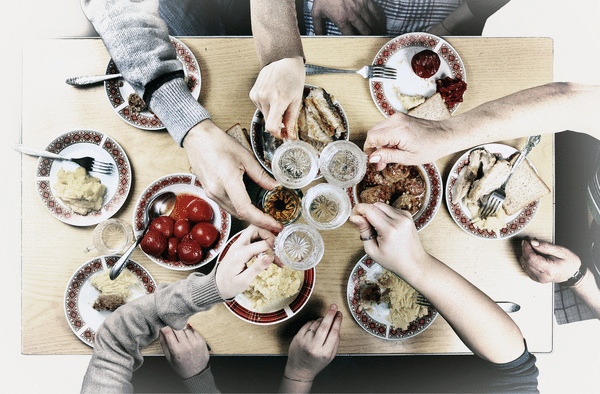
Q. My ex and I have been divorced for three years. We both have new partners, and our children get along well with everyone. This year, my daughter suggested that we all have Thanksgiving together. My ex thinks it's a great idea, but my current partner isn't comfortable with it. My daughter doesn't understand why we can't all celebrate together. What's good ex-etiquette?
A. Thanksgiving is supposed to be about gratitude, family and togetherness. But when parents separate and new partners enter the picture, even deciding who sits at the Thanksgiving table can become complicated.
The problem often starts with how we define "family."
Adults tend to define family by their relationships with one another. That's my ex. That's my husband's new wife. That's my former mother-in-law. We see the connections through the lens of our own experiences, and sometimes those experiences aren't particularly pleasant.
Children see things differently.
That's my mom. That's my dad. That's Grandma. That's my bonus mom. They don't necessarily stop loving someone because the adults are no longer romantically involved. And they don't always understand why people they love can't be in the same room.
But here's where things get tricky. Just because a child considers everyone's family doesn't mean everyone has to celebrate together.
Your daughter has made a lovely suggestion, but she shouldn't be responsible for deciding how the adults celebrate Thanksgiving. That's an adult decision.
Give children a voice, not a choice.
Listen to what she's telling you. She loves the people in her life and would enjoy having them together. That's something to celebrate, even if the adults decide a shared Thanksgiving isn't practical.
Your current partner's feelings also deserve consideration. Rather than dismissing those feelings or assuming they're based on jealousy, find out what's behind the discomfort. Is there unresolved tension? Is your partner concerned about boundaries? Or is the idea simply unfamiliar?
Those are conversations for adults to have privately, not in front of the children.
And remember, there's no rule that says Thanksgiving has to be celebrated on Thursday or that everyone has to sit at the same table. Families can create traditions that work for their circumstances. Two celebrations don't mean a child has two separate families. They mean the child has people who love them in more than one household.
The important thing is not to make children feel that loving someone requires taking sides.
You don't have to consider someone family to recognize that they are family to your child.
That's the distinction adults sometimes miss.
So, who belongs at the Thanksgiving table? Whoever can come together in a spirit of kindness, respect, and in the spirit of Thanksgiving, gratitude. If that's not possible this year, don't force it. Work toward a relationship where the children don't feel they have to hide their affection for someone simply because the adults have a complicated history.
The size of the table isn't nearly as important as the room we make in our hearts for the people our children love.
That's good ex-etiquette.
©2026 Tribune Content Agency, LLC








Comments