Florida is becoming a hotbed for reversing, or at least slowing down, biological age
Published in Health & Fitness

Jay Campbell, a Tampa author, says he has a biological age of about 30, while his chronological age is 55.
Scientists have discovered that people’s biological age, which is how old their cells, tissues and organs are, often differs from their chronological age, the number of years they have been alive.
Campbell, co-founder of Biolongevity Labs, attributes his low biological age to a daily cocktail of 7 to 10 peptides for more than a decade.
“My lab work is the best it’s ever been in my entire life. It’s like I am getting younger cellularly and through my biomarkers. So, I know that these things do work,” he said. “Of course, it’s all within the context of living the correct lifestyle.”
As researchers study ways to slow down or reverse a person’s biological age, Florida is now considered a hotbed for clinics, treatments, trials and supplements.
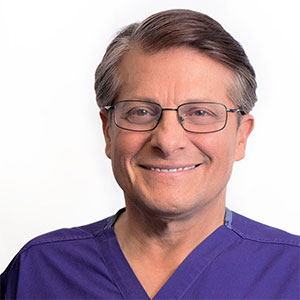
University of Miami researchers are studying biological age to predict who’s at risk for developing colon polyps, a known risk factor for colorectal cancer. Dr. John Lewis, a voluntary associate professor at the University of Miami, has led multiple clinical studies on cellular repair and biological aging. Lewis has looked at how a plant-based diet could reverse your biological age and whether certain supplements — including aloe polymannose — can help, too.
“This isn’t just about ‘good genes,’ it’s about cellular health that can be measured,” Lewis said.
University of Florida researchers are pioneering the reversal of biological age by specifically focusing on “brain age.” Their studies have shown that lifestyle choices can cause the brain to age faster or slower than the body, and that healthy habits — including regular exercise — can make the brain appear up to eight years younger.
At the same time, longevity clinics are popping up across the state, where patients can receive comprehensive assessments, peptides and other therapies aimed at slowing aging. These Florida clinics charge anywhere from a few hundred dollars to more than $150,000 a year for scans, customized treatments, and diets to identify health risks, track how fast your cells are aging, and build an optimization plan.
For now, individuals can test their biological age with a commercial at-home blood or saliva test that costs $200 to $500. Different testing methods examine cellular, chemical or physical markers in your body and analyze them using certain biological-age clocks. But companies, researchers, and the federal government are racing to develop more accurate and reliable ways to measure biological age, including a possible test based on brain scans.
“All these things will tell us not only what our biological age is but why it is a certain level. That is what is going to be all the rage over the next three to five years,” Campbell said.
Longevity researchers also are looking to use artificial intelligence to identify which biomarkers are most predictive of disease, and they are examining the potential of various drugs or therapies to delay aging — or even reverse it.
Dr. Edward Schwartz, director of the Osher Center for Integrative Health at the University of Miami Health System, said stress, poor sleep, poor nutrition, a sedentary lifestyle, and heavy alcohol use can contribute to a higher biological age. “Lifestyle issues are important factors in slowing down or speeding up the aging process,” he said.
Every lifestyle intervention, medical therapy, or physical reset that successfully lowers your biological age is effectively buying you more time to enjoy life and move without pain. That concept is driving increased marketing of anti-aging supplements and extensive screenings in Florida.
“Even people in their 30s, 40s, and 50s are interested in longevity,” Schwartz said. “We want to live as long as we can, but we want to live healthy.”
©2026 South Florida Sun Sentinel. Visit at sun-sentinel.com. Distributed by Tribune Content Agency, LLC.







Comments