What are the greatest guitar solos of all time? Here are some of our picks
Published in Entertainment News
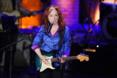
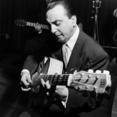
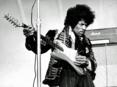
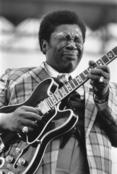
SAN DIEGO — What makes a great guitar solo? Is it pure emotion or dazzling technical command? Simplicity or complexity? One note or a thousand? Is it meticulously crafted melodic precision, hair-raising improvisational abandon, or the ability to wordlessly captivate listeners with just fingers and strings?
The answer can be any or all of the above, depending on the player, the song, the style and musical context.
Witness the slew of classic songs whose guitar solos are so essential it is impossible to imagine those songs without the solos. A very incomplete list of examples — all longstanding favorites of mine — range from “While My Guitar Gently Weeps” by the Beatles, “That Lady” by the Isley Brothers, “Bohemian Rhapsody” by Queen and “Comfortably Numb” by Pink Floyd, “Purple Rain” by Prince and “Paranoid Android” by Radiohead to “Black Magic Woman/Gypsy Queen” by Santana, “Layla” by the Eric Clapton-led Derek and the Dominos, “Stairway to Heaven” by Led Zeppelin, “Free Bird” by Lynyrd Skynyrd, “Hotel California” by the Eagles, “Sultans of Swing” by Dire Straits, “How Soon Is Now” by the Smiths, “American Saturday Night” by Brad Paisley and — a gem of subtle understatement — “Devil in Disguise” by former Valley Center resident (and Clapton collaborator) JJ Cale.
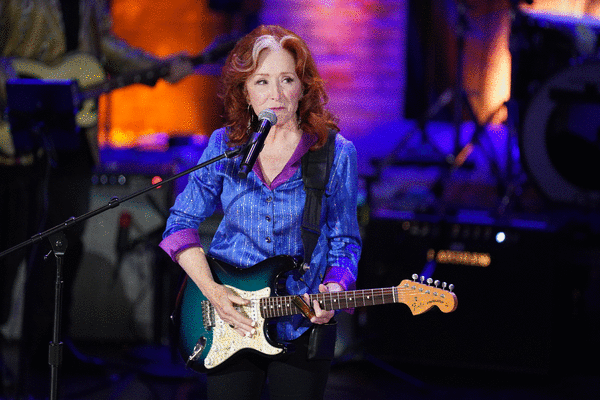
Witness the indelible solos by such guitar greats as Les Paul, B.B. King, Muddy Waters, Jimi Hendrix, Jeff Beck, Chet Atkins, Bonnie Raitt, Pat Metheny, Paco de Lucia, George Benson, Chet Atkins, King Sunny Ade, Albert Lee, Eddie Van Halen and more, including former San Diego resident Allan Holdsworth and former Tijuana resident Carlos Santana.
Witness the solos by many comparatively lesser-known but equally gifted six-string practitioners, who speak eloquently through their instruments to convey a wealth of feelings using their fingers, strings and their seemingly boundless imaginations.
And witness the wealth of stand-out guitarists to emerge from San Diego over the years. They include such notable musicians as Frank Zappa, Jennifer Batten, Mike Keneally, Peter Sprague, Stevie Salas, Billy Thompson, Laura Chavez, Jake E. Lee, Craig Goldie, Warren DeMartini, Isaiah Mitchell, Louie Valenzuela and Tom Griesgraber.
No matter what style they play, great guitarists can be recognized in just a few notes. Their touch, tone, phrasing, articulation, dynamic control, use of textures and choice of notes are all key parts of their musical personalities. It is these qualities that distinguish them from the many other musicians who play the same instrument with very different results.
Of course, a strong argument can be made — and increasingly has been over the past decade or two — that the guitar and guitar-driven music now play second fiddle to hip-hop, electronic dance music and other styles, which rely heavily on digital technology and the sampling and reconfiguring of preexisting recordings.
But sales of acoustic guitars have surged in recent years, thanks in large part to the popularity of such six-string troubadours as Taylor Swift, Ed Sheeran, Phoebe Bridgers and Noah Kahan.
None of them are lead guitarists, but they are helping to boost the instrument’s profile. And — as with every generation since the 1960s — a fresh crop of acoustic and electric guitarists is drawing new listeners to the instrument.
Some of the standouts include Mississippi’s Christone “Kingfish” Ingram, Louisiana’s D.K. Harrell, Michigan’s Billy Strings (real name: William Apostol), San Francisco’s H.E.R. (real name: Gabrielle Wilson), New Jersey’s Mk.gee (real name: Michael Todd Gordon), San Jose’s Yvette Young, Texas’ Tim Henson, Georgia’s Megan Lovell, England’s Amy Love, Italy’s Matteo Mancuso, France’s Antoine Boyer, Poland’s Marcin Patrzałek, India’s Pritesh Walia, Brazil’s Lari Basilio and Australia’s Josh Meader.
Of course, selecting favorite guitarists and solos is a highly subjective exercise. Each of us has our own sliding scale when judging how notable any piece of music is — or isn’t — and why. What thrills one listener may induce eye rolls in another, sometimes for exactly the same reasons.
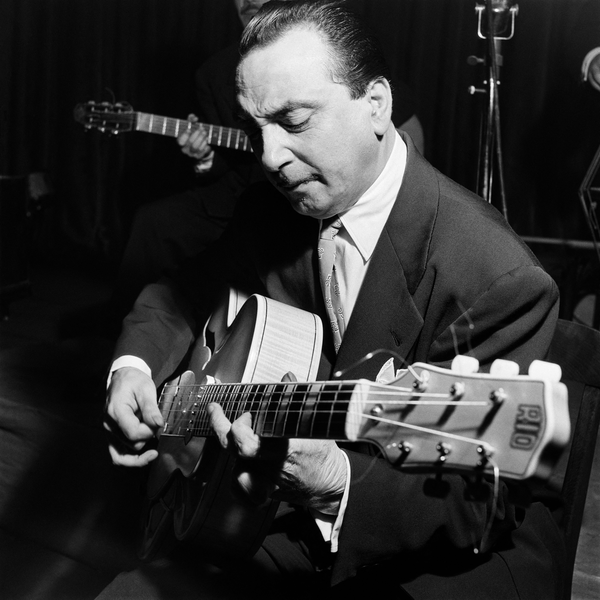
My favorite guitarists and their work span nearly a century, starting with the foundational 1934 recordings by le jazz hot pioneer Django Reinhardt, the 1936 recordings by Delta blues pioneer Robert Johnson and the 1939 sides that electric guitar pioneer Charlie Christian cut with the Benny Goodman Sextet.
My more recent favorites include Brandon Seabrook, Stephanie Jones, Mary Halvorson, Jakob Bro, Joscho Stephan, Yotam Silberstein, Chris Buck, Muireann Bradley, Yvette Young and the two newest members of Bob Dylan’s 2026 touring band, Joel Paterson and Jad Tariq.
Because I have heard them so many times over the years, I can sing, hum (or at least vocally approximate) parts or all of the solos from “Layla,” “Purple Rain” and other guitar epics on request — not that anyone in their right mind has ever asked me to.
Some, but not all, of my following favorites are decidedly lesser known but every bit as riveting. And each of them has handily stood the test of time.
Do my choices here represent at least half of my favorites, or a third? Not even close.
But they are a good starting point for a list that — on another day — would include Richard Thompson, Sister Rosetta Tharpe, John McLaughlin, Barney Kessel, the Allman Brothers Band, Larry Carlton, Guthrie Govan, Wishbone Ash, Joe Pass, Lindsey Buckingham, St. Vincent, Hubert Sumlin, Sonny Sharrock, Philip Catherine, Sharon Isbin, Luther Allison, John Etheridge, Bill Frisell, Ralph Towner, Freddie King, Cindy Cashdollar, Pete Cosey, John Abercormbie, Nguyên Lê, Romero Lubambo, Chico Pinheiro, Fred Frith, Laurie Wisefield, Tony Rice, Steve Erquiaga, Albert King, Fred Frith, Henry Kaiser, Amos Garrett, Elliott Randal, Danny Gatton and a good number more.
My selections conclude with a 1989 recording by Bonnie Raitt. I chose to stop there — not because there haven’t plenty of exceptional guitar solos recorded between 1990 and today, but simply because it will require at least one other article to do them justice.
“Nuages,” Django Reinhardt
Until about 10 years ago, one of the nightly highlights of Willie Nelson’s concerts would come when he lovingly performed his version of Belgian gypsy jazz guitar master Django Reinhardt’s exquisite 1940 ballad, “Nuages.” As the co-leader with violinist Stephane Grappelli of the fabled Quintette du Hot Club de France, Reinhardt set a new standard with his quicksilver virtuosity and harmonic ingenuity.
The fact that — following irreparable injuries to his left hand in a 1928 fire — he was only able to play using just two fingers on his left hand made his jaw-dropping fluidity all the more remarkable. “Nuages,” written as a song of hope during the Nazi occupation of France, is a marvel of melodic poignancy.
“Stratosphere Boogie,” Jimmy West & Speedy Bryant
It is impossible for me to not smile each time I listen to this 1954 gem by guitarist Jimmy West and the very aptly named pedal-steel wiz Speedy Bryant. Equally steeped in country music, jazz and Western swing, their collaborations are as dazzling as they are joyful and their unison lines and fleet solos sound like a jaunty stroll in the park no matter how accelerated the tempo.
That “Stratosphere Boogie” still sounds so fresh and vibrant more than 70 years after it was made is a testament to West and Bryant’s peerless work.
Link Wray, “Rumble”
In the 1960s and 1970s, power chords and distortion became integral parts of the rock guitar lexicon. But the first song to deploy both was Link Wray’s proudly elemental 1958 instrumental, “Rumble.”
Free of even a hint of a frill, but brimming with enough adolescent attitude to get the record banned from some radio stations, “Rumble” has been cited as a prime influence by everyone from Dave Davies of the Kinks, Pete Townshend of the Who and Jimmy Page of Led Zeppelin to Iggy Pop and Bob Dylan, who opened several of his London concerts with the song in the immediate aftermath of Wray’s 2005 death.
“Impressions,” Wynton Kelly Trio/Wes Montgomery
Recorded for the 1965 live album, “Smokin’ at the Half Note,” this version of sax giant John Coltrane’s modal classic “Impressions” is sublime and then some. It displays Montgomery’s singular ability to combine elegance and complexity as he caresses melodies and mixes crisp single lines with the intricate parallel octave work that was one of his trademarks.
A profound influence on George Benson and several generations of guitarists, the self-taught Montgomery eschewed a pick in favor of his thumb. His rhythmic drive, melodic invention improvisational daring are the stuff of legend, and rightly so.
“I Can See For Miles,” the Who
The only song by the Who to make the Billboard Top 10, 1967’s “I Can See For Miles” boasts searing power chords, charged lead vocals by Roger Daltrey, decidedly creepy lyrics by Pete Townshend and some of Keith Moon’s most explosive drumming on record. But what really stands out is the most powerful one-string, one-note guitar solo in rock history.
The note in question is an E and Townshend attacks it with a perfect combination of wildness, determination. and taken-no-prisoners vehemence. In 2015, “I Can See For Miles” became the theme song for the TV series “CSI: Cyber.” In the early 1970s, Miles Davis used it as the walk-on music at his concerts.
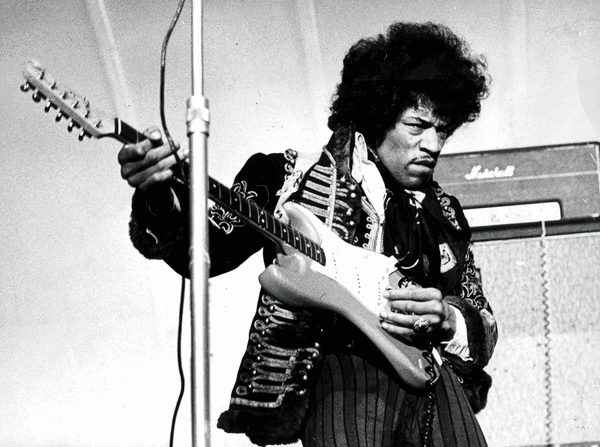
“All Along the Watchtower,” Jimi Hendrix
I could just as easily have selected “Little Wing,” “Machine Gun” or Jimi Hendrix’s lacerating take on “The Star Spanged Banner,” each of which ranks among my favorites by the man who remains rock’s single most influential guitarist. But his definitive reinvention of Bob Dylan’s “All Along The Watchtower” gets the nod today.
Dylan later stated that the was “overwhelmed” by Hendrix’s version and praised him for finding new things in the song, and improving on it, in ways no one else could. Hendrix’s solo is a marvel of craftsmanship — five interludes, each more intense and intricate than the one before it, each meticulously crafted just so, each a sonic gem that shines anew with every repeat airing.
“Fruit and Icebergs,” Blue Cheer
Hailed as the first heavy-metal band, the psychedelic San Francisco power-trio Blue Cheer was named after an especially potent brand of LSD. This 1969 song, from the band’s third album, “New, Improved,” is one of only three the band recorded with guitarist Randy Holden.
What results could be a prototype for both doom-metal and stoner-rock. Holden’s howling, dive-bombing solo bristles with sustained intensity from start to finish, building to a hair-raising, scorched-earth climax.
“Looking at You,” MC5
A prime link between heavy-metal thunder and punk-rock fury, Detroit’s MC5 brought a revolutionary fervor to its music. “Looking at You,” a standout song from the band’s second album, 1970’s “Back In The USA,” is combustible and then some. Wayne Kramer’s two guitar solo clocks in at a mere 30 or so seconds each, but he injects each note with earthy grit, incandescent power and some wonderfully fleet, jazz-adjacent runs provide bring added vigor.
Kramer, was 75 when he died in early 2024, just eight months before his band was very belatedly inducted into the Rock & Roll Hall of Fame. While he made an array of notable recordings, to these ears “Looking at You” remains Kramer’s most vital calling card.
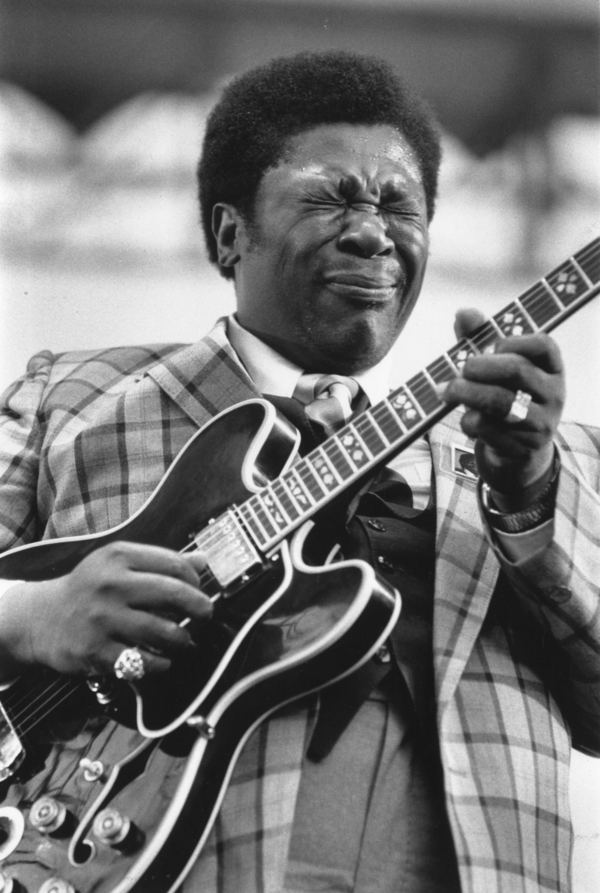
“Everyday I Have the Blues,” B.B. King
One of the most influential guitarists in American music history, and a wonderfully soulful singer, B.B. King could convey more unadulterated emotion with just a few notes than lesser artists can with a hundred or more. His impassioned playing could soothe, sting and exhilarate in equal measure.
While slow blues were his forte, King also ignited when he kicked into high gear. He does precisely that on “Everyday I Have the Blues,” a choice song from his 1971 album, “Live in Cook County Jail.” Performed at a breakneck pace that may have inspired “When Love Comes to Town,” King’s sizzling 1989 collaboration with U2, “Everyday” lasts just one minute and 42 seconds. But he packs more punch and propulsion into his guitar playing and singing than entire albums by lesser artists.
“Country Boy,” Heads, Hands & Feet
In my interviews with Jeff Beck, John McLaughlin, Keith Richards and Vince Gill, they have been unanimous in singing their praises for fellow guitar great Albert Lee. Before he gained international acclaim performing with Clapton, Emmylou Harris and the Everly Brothers, Lee was the driving force behind the seminal English country-rock band Heads, Hands & Feet.
His 1971 song “Country Boy” is a tour de force. His ability to seamlessly alternate between fingerpicking and flatpicking is matched by his ability to combine banjo rolls and pedal steel licks. His impeccable taste and ingenious choice of notes are hallmarks of Lee’s playing. So is the deft ease with which he plays rapid-fire lines that have left many veteran guitarists grinning and shaking their heads in awe.
“Air Raid Shelter,” Patto
English guitar innovator Ollie Halsall spent most of his life in relative obscurity. What could have been his big break came in 1978 when he played guitar and sang all of Monty Python alum Eric Idle’s parts on the “The Rutles,” the debut album by the Beatles-spoofing band the Rutles. Halsall was scheduled to play the Paul McCartney-inspired Dirk McQuickly in the 1978 film “All You Need Is Cash,” but was he was sadly relegated to a bit role when Idle decided to portray McQuickly. In 1973, Halsall replaced Allan Holdsworth in the English band Tempest — at Holdsworth’s urging.
An adept pianist and vibraphonist, Halsall was a visionary guitarist who made three albums with the band Patto between 1970 and 1972. The best, 1971’s “Hold Your Fire” is a favorite of Cheap Trick’s Rick Nielsen, Wilco’s Nels Cline and other prominent guitarists. “Ollie was phenomenal and he didn’t paint inside the box,” Cline told me a few years. Indeed, he didn’t. The entire “Hold Your Fire” album is a testament to Halsall’s endlessly inventive fretboard work, unique phrasing and stunning fluidity. His playing on “Air Raid Shelter,” the album’s jazziest song, is so forward-thinking it sounds like it could have been recorded earlier today.
“Sunny,” Pat Martino
Philadelphia-bred guitarist Pat Martino was such a formidable musician that when the young George Benson first heard Martino play in a New York night club, Benson was tempted to give up guitar and take up another profession. At just under 10 1/2 minutes, “Sunny” is the shortest of the three pieces on Martino’s superlative 1974 album, “Live!”
His solo on “Sunny,” a 1966 Top 10 pop hit for Bobby Hebb, lasts slightly more than four minutes and repeatedly soars from one heady peak to another. It’s a master class in the art of creating musical excitement by building dynamic tension and release. Martino’s sparkling lines transform Hebb’s melancholic song into a jubilant celebration that should have you smiling throughout.
The New Tony Williams Lifetime, “Fred”
Jazz dexterity and rock power have rarely been combined to such galvanizing effect as on “Fred,” a standout track on “Believe It,” the 1975 debut album by The New Tony Williams Lifetime. English guitarist Allan Holdsworth had already distinguished himself in Europe playing with such bands as Tempest and Soft Machine before he joined the otherwise all-American quartet led by former Miles Davis drummer Tony Williams.
Holdsworth’s 1978 album with the band U.K. made him a favorite of Zappa, Metheny and Van Halen, who subsequently helped Holdsworth land a solo deal with Warner Bros. Records. He composed “Fred,” which moves from low to high gear and back with perfectly calibrated fire and finesse. Holdsworth’s legato style and blinding sheets-of-sound speed are balanced by his pinpoint articulation, bluesy bends and unique harmonic approach. His 2017 death at his home in the North County city of Vista has left a void that no other guitarist has come close to matching.
“Tall in the Saddle,” Joan Armatrading
Joan Armatrading’s gutsy acoustic guitar style has been cited as a key influence by Tracy Chapman, Ani DiFranco and others. But what makes the slow-building torch ballad “Tall in the Saddle” stand out on her superb third album, 1976’s “Joan Armatrading,” is Jerry Donahue’s exquisite solo. It only lasts 34 seconds, but every note is carefully considered and played with the deepest feeling to achieve maximum impact.
A striking mix of blues and country, it showcases Donahue’s exceptional touch, tonal command and ability to make even his most subtle inflections sing out. It is so movingly played and immaculately constructed that any number of guitar legends would likely be happy to claim it as their own.
“I Think It’s Gonna Work Out Fine,” Ry Cooder
The original 1961 version of “I Think It’s Gonna Work Out Fine” was a lusty, mid-tempo R&B romp set to an undulating, Bo Diddley-styled rhythm guitar figure. It was subsequently covered by such disparate artists as the Spencer Davis Group, Manfred Mann and — in 1981 — by Linda Ronstadt and James Taylor. But my favorite version came out in 1979 on Ry Cooder’s “Bop Till You Drop” album.
One of the greatest champions of American roots music, and the driving force behind the 1997 Cuban music juggernaut “Buena Vista Social Club,” Cooder reimagines “I Think It’s Gonna Work Out Fine” as a slow, graceful instrumental number. With fellow guitar great David Lindley and an ace rhythm section offering seemingly telepathic support, Cooder caresses each and every note, lets them breathe and infuses them with haunting poignancy.
“Thing Called Love,” Bonnie Raitt
An outstanding singer, guitarist and songwriter, Bonnie Raitt has inspired several generations of musicians. Released in 1989, her inspired version of the John Hiatt-penned “Thing Called Love” was the first single from her album, “Nick of Time.”
It which went on to win four Grammy Awards and sell 5 million copies in the U.S. alone. Of the foremost bottleneck guitarists around, Raitt’s slinky solo on “Thing Called Love” has a raw, bluesy intensity that elevates the already animated song. She is also a master of concision, playing exactly what the songs needs and not one more note more.
©2026 The San Diego Union-Tribune. Visit sandiegouniontribune.com. Distributed by Tribune Content Agency, LLC.




Comments