Rick Steves’ Europe: Picnic like a pro in Europe



As a budget traveler, there’s no better experience than a picnic sourced from a local market and then eaten outdoors with a lively square, peaceful park, or rejuvenated harborfront as a backdrop. Picnicking is simply the best way to enjoy Europe’s edible specialties economically. You'll eat better while spending less than half as much as those who eat exclusively in restaurants.
I’ve become a picnic connoisseur – and markets are at the heart of my picnic plans. To me, the marketplaces of Europe are as rewarding as the museums. They’re local life on display, and the energy is palpable. Purveyors shout their daily specials – cheeses, meats, fresh produce, and warm-from-the-oven bread – while shoppers zigzag from stand to stand. Nearly every town has a market, and I make it a point to be there for the action. Here are my tips for navigating them, assembling your picnic like a pro, and enjoying your ad-hoc meal to the fullest.
First, get some useful supplies. When you arrive in Europe, buy a good knife with a can opener and corkscrew. In addition to being a handy plate, fan, and lousy Frisbee, a plastic lid makes an easy-to-clean cutting board. Resealable plastic baggies (large and small) are great for containing messy food and packing up leftovers. A reusable cup, spoon, and fork can come in handy for picnics — but also, eating takeout meals. I pack a tiny tablecloth to spread out my meal with a touch of class.
At the market, start with bread. A good loaf serves as a foundation for your picnic. Bread has always been cheap in Europe – leaders have learned from history that when stomachs rumble, so do the mobs in the streets – and is a tasty, easy vehicle for another market forte: cheese. Nearly everywhere in Europe has its local cheese specialty; follow your nose and ask the monger for guidance.
Then move on to meats and fish. Take the opportunity to try something unfamiliar. Cultural chameleons eat better. If you're in Spain, ask the vendor which cured sausage they recommend … if you're in southwest France, go for the foie gras – it's local and spreads easily on your crusty baguette. In Norway, invest in a tube of shrimp paste.
If you're buying fruit and veggies, make sure they are in season. Don't shy away from sales: In Europe, cheap produce doesn't mean "this is going bad soon" – but just the opposite. European purveyors want you to eat what's freshest and best, and incentivize it with lower prices. Load up your basket with what's inexpensive and plentiful.
You'll probably need to hit several stalls to put together a complete meal. Make an effort to communicate with the merchants, so you know what you are buying and what you are spending. Whether you understand the prices or not, act like you do and you're more likely to be treated fairly. Observe the weighing process closely, and use your hands to confidently show how thick you want your pâté sliced. If you don't know the local language, just point to the food you want and write the amount on a scrap of paper or type it into your phone's translation app.
It also helps to learn the measurements. Most of Europe uses the kilogram: One kilo (kg) has 1,000 grams (g or gr) – and equals roughly 2.2 pounds. One hundred grams (a common unit of sale) of cheese or meat tucked into a chunk of French bread gives you about a quarter-pounder.
Don't forget drinks. There are plenty of cheap, quality ways to wash down a picnic. If you're tired of filling your water bottle, you can buy drinks in any supermarket or corner grocery store. Liter bottles of soda are inexpensive, as is beer in most countries – and local wine gives your picnic a nice touch. Most neighborhood wine shops will even open your bottle if you forgot your corkscrew.
Basket loaded with goodies, it's now time to think about where you'll enjoy your feast. Proper site selection can make the difference between just another meal and le pique-nique extraordinaire. Since you've decided to skip the restaurant, it's up to you to create the atmosphere.
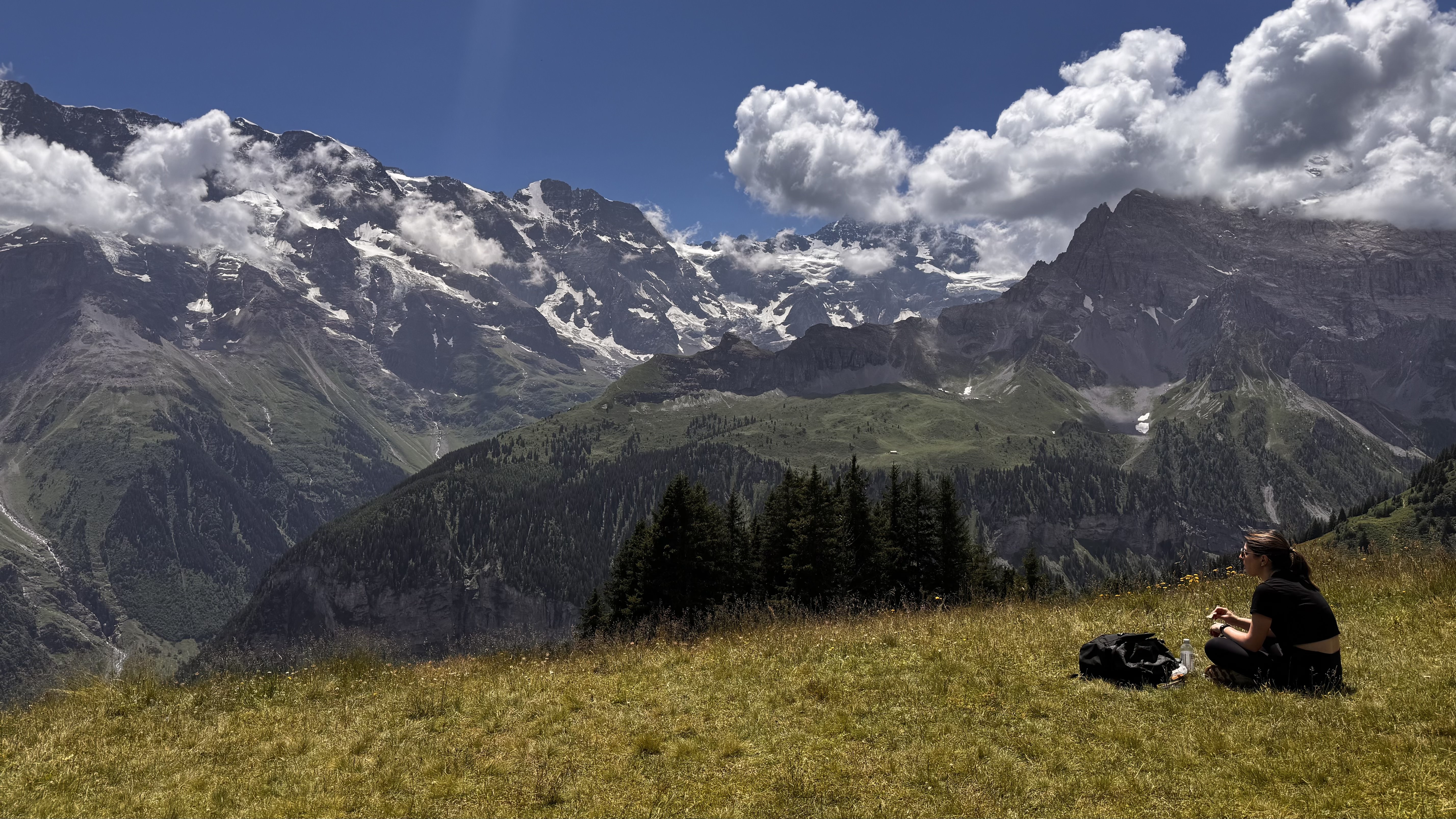
Some of my all-time best picnics have been enjoyed on a castle wall ... accompanied by a commanding view, the setting sun, and medieval fantasies in the quiet of after-hours Europe. When I’m exploring the Alps, I punctuate my hike with a picnic. Food tastes even better high on an Alpine ridge. And if you head to any nearby park or riverbank, you're likely to run into locals who had the same great idea as you. With any luck, your well-assembled picnic could become a potluck, resulting in new friends as well as stuffed stomachs.
(Rick Steves (www.ricksteves.com) writes European guidebooks, hosts travel shows on public TV and radio, and organizes European tours. This column highlights some of Rick's favorite places and travel insights over a lifetime of exploring Europe and sharing his discoveries. You can email Rick at rick@ricksteves.com and follow his blog on Facebook.)
©2026 Rick Steves. Distributed by Tribune Content Agency, LLC.
(c)2026 RICK STEVES DISTRIBUTED BY TRIBUNE MEDIA SERVICES, INC.









Comments