
Environmental Nutrition: Chickpea charm
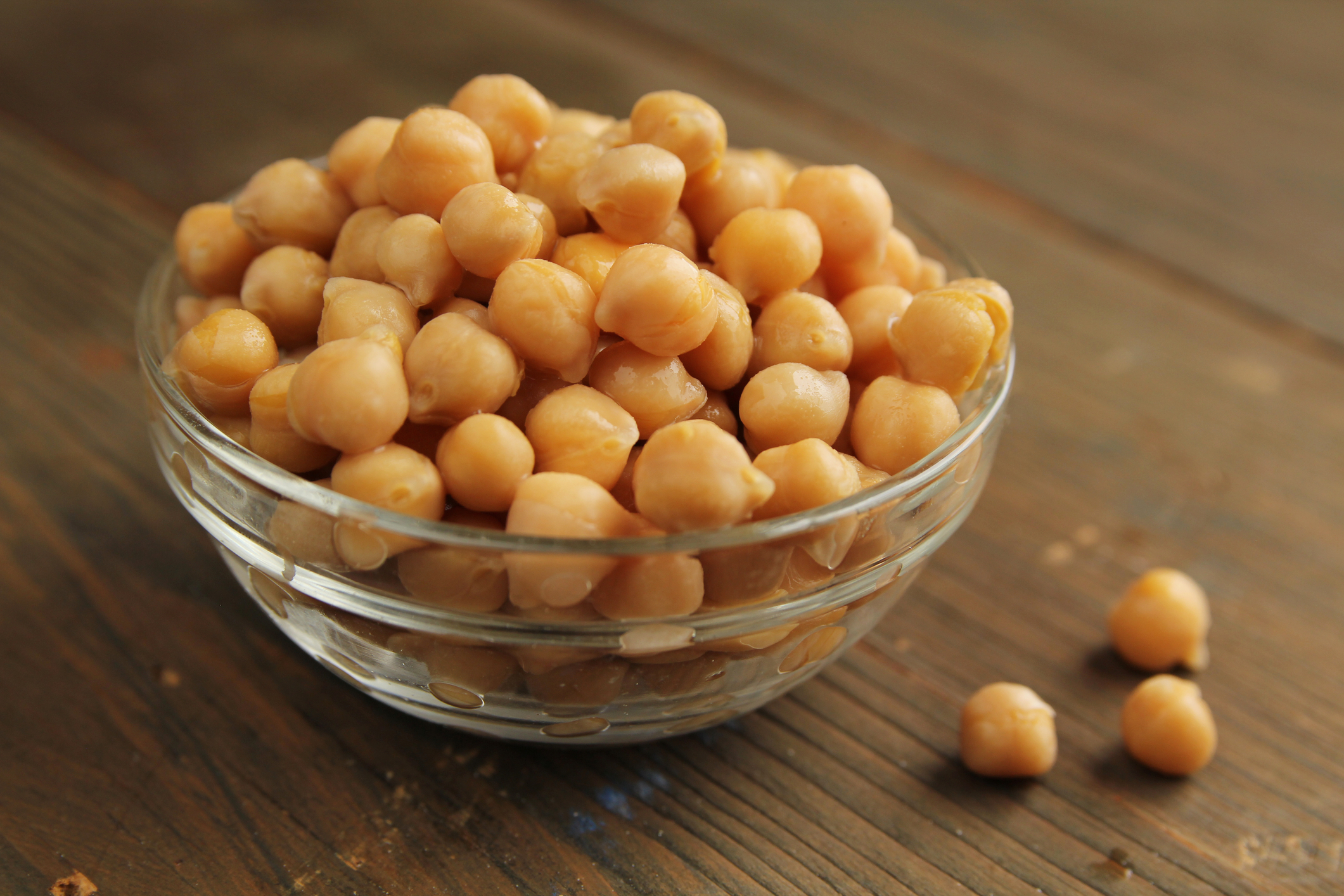
Chickpea popularity continues to grow as a delicious and nutritious plant-based source of dietary fiber, protein, and several other nutrients, as well as a host of health promoting plant compounds.
The folklore
The beloved chickpea is integral to globally inspired dishes, such as hummus, falafel and dal. Native to the Middle East, this ancient legume has been cultivated as a staple food for more than 7,500 years. The name chickpea came from “chich pease,” a version of its French name.
The facts
Chickpeas are part of the plant family of legumes, Fabaceae, along with black beans, peanuts and lentils. There are two main varieties, the larger round and cream-colored Kabuli, which is most common in the U.S., and the smaller and darker Desi, used more often in India and the Middle East. One half-cup serving of cooked chickpeas contains 25% DV (DV=Daily Value, based on 2,000 calories/day) of dietary fiber, 15% DV of protein, 42% DV of bone healthy manganese, 36% DV of folate, and plant compounds.
The findings
Chickpeas are an excellent source of dietary fiber, which is important in helping reduce risk of several diseases, including stroke, Type 2 diabetes, coronary heart disease, gastrointestinal diseases and hypertension. It’s also recommended for people with obesity for its role in weight reduction (Frontiers in Nutrition, 2023).
Chickpeas are considered a good source of nutrients often preferred for gut health, including fiber, essential amino acids, and resistant starch, which work together to slow digestion time and can help nourish the gut microbiome and help prevent gut related diseases such as irritable bowel syndrome, colon cancer and ulcerative colitis (Heliyon, 2024).
The finer points
Dried chickpeas should be whole, not cracked, and free of moisture. Store them in an airtight container in a cool, dark place up to a year. Soak dried chickpeas overnight (or quick-soak), then cover with a couple inches of fresh water, bring to a boil, then simmer until tender, about one to two hours.
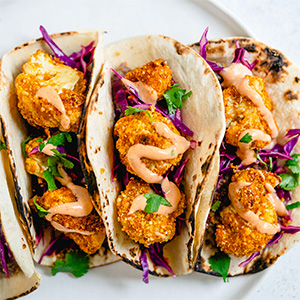
Save time with ready-to-use canned and frozen chickpeas, which are precooked. Purchase reduced sodium cans or rinse before use for healthier cooking. Enjoy them in hummus, on salads, in soups and stews, or roasted as a crunchy snack.
(Environmental Nutrition is the award-winning independent newsletter written by nutrition experts dedicated to providing readers up-to-date, accurate information about health and nutrition in clear, concise English. For more information, visit www.environmentalnutrition.com.)
©2026 Belvoir Media Group, LLC. Distributed by Tribune Content Agency, LLC.







Comments