Recipes
/Home & Leisure
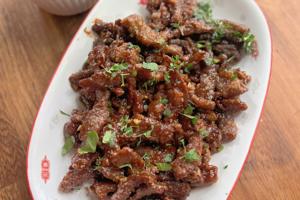
Gretchen's table: Why do takeout when you can make spicy Chinese beef at home?
It’s the rare diner who doesn’t love the occasional Chinese takeout.
It’s convenient, has extensive menu choices and, because it’s often intended to be shared, can be more affordable for a couple or family than traditional sit-down restaurants. Order enough, and there’s also the thrill of leftovers.
Yet given the laundry list of ...Read more

'Bad Decision for a Good Cause:' August event in Chicago looks to set Malört world record
CHICAGO — From most cookies dunked in milk at one time to most sweet corn kernels eaten in 3 minutes with a toothpick, the Chicago area has seen its fair share of attempts at setting niche food-related world records. The next comes in August, when Jeppson’s Malört hopes to gather hundreds of fans to set the world record for most people ...Read more
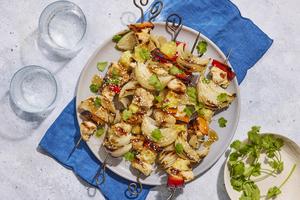
EatingWell: Turn up the heat one skewer at a time
These grilled chicken kebabs are sweet and hot thanks to hot honey, juicy chunks of pineapple and the grill itself, which caramelizes the bell peppers, onion and chicken pieces to smoky perfection. Because the glaze (and the pineapple) are sweet, the kebabs may burn if left in one spot for too long. Be sure to move them from any hot spots on the...Read more

Seriously Simple: This bright soup tastes like pure summertime
Chilled soups are light, flavorful, refreshing and Seriously Simple to prepare. They can be made well in advance to allow them to chill properly. This means that you can prepare your soup early in the day (when it’s cooler in the kitchen) or even the day before, a real boon to the summer cook. And best of all, these soups cool us off when the ...Read more

Vanilla bean there, done that? Think again
At the local ice cream shop, my 4-year-old granddaughter asked her mother to read the names of every flavor posted. Two-dozen descriptions later, the 4-year-old ordered vanilla. She declared it perfect. Smart child.
Why anyone would classify vanilla as basic, I’ll never understand. It truly is one of the most complex flavors and aromas in the...Read more

Environmental Nutrition: Functional food and beverages can support long-term health
Q: What are functional food and beverages?
Q: Functional foods and beverages are becoming a staple in modern nutrition, offering benefits that go beyond basic nourishment. These products provide essential nutrients while also delivering bioactive compounds — such as probiotics, antioxidants or omega-3 fats — that can support overall health ...Read more

The Kitchn: My cherry turnovers are the star of every brunch
Cherry turnovers are the kind of breakfast treat that makes slow mornings feel special — crisp, flaky puff pastry wrapped around a gooey, sweet-tart cherry filling and finished with a glossy glaze.
...Read more

The Kitchn: My chicken spiedini are the easiest skewers I’ve ever made
Spiedini is an Italian dish often made with beef cooked on skewers, though there are versions that include vegetables and other proteins as well, like chicken. I cook a lot of chicken at my house: oven roasted chicken thighs, homeandleisure/recipes/varietymenu/s-4217418">Read more

Don't tell me how many calories. I don't wanna know
There is one joke in "Animal House" that everybody laughs at, but I don't.
It's the motto of Faber College, which is revealed to be "Knowledge is Good." I never saw why that is funny. I agree with the founder of the school, the fictional Emil Faber. Knowledge is good.
Maybe it would sound better if it were expressed in Latin: Scientia bona est...Read more

Weight loss drug use has skyrocketed. Has it changed the way people dine out?
MIAMI -- When she was approached to create the menu for Cerveceria La Tropical a few years back, chef Cindy Hutson knew what CEO Manny Portuondo wanted to serve: Cuban food that would effortlessly complement the tap room offerings. The Wynwood brewery was reviving Cuba’s oldest beer, and salty fried cuisine seemed like the perfect pairing.
...Read more

Gretchen's table: Yogurt chicken with Indian raita, coriander chutney
Indian food is among the tastiest and most aromatic in the world, thanks to its vibrant mix of warm spices and reliance on so many fresh herbs.
But it also has a reputation for being a labor-intensive cuisine because so many dishes require slow cooking or time-consuming techniques to build flavors. Others require a raft of spices and pounding ...Read more
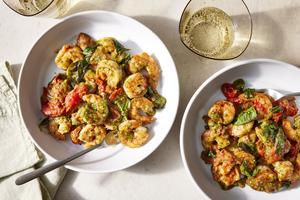
EatingWell: This quick skillet recipe is great for easy weeknight dinners
This versatile, quick pesto shrimp can be served alongside a hunk of crusty bread, over pasta or rice, or even used as a topping for pizza. Look for shrimp that are free from preservatives, which can alter the texture and add sodium to the dish. The brightness and fresh flavor of refrigerated pesto is great here, but a homemade version would be ...Read more

Seriously Simple: Enjoy a taste of summer in one bite
Kids and adults love these savory cakes that include shredded zucchini and corn kernels — two vegetables that taste like summer in one bite. Here are a few tips to make this dish a big success:
You can serve these all by themselves or topped with myriad sauces. Tzaziki, romesco, pesto or tomato-red pepper sauce are just a few ideas to ...Read more

The Kitchn: How to make the absolute best milkshakes at home
Every summer for almost 15 years, I’ve ditched the cold San Francisco weather for a few weeks on Cape Cod to visit my husband’s family. There are lots of tasty traditions I look forward to like lobster dinners and fried clams, but the best one of all is a trip to Sundae School, the local old-fashioned ice cream place with homeandleisure/recipes/varietymenu/s-4208919">Read more

A summer shore lunch at home
Every summer, at the borrowed family cabin, my father routinely took his three oldest children fishing while my mother tended the youngest two. Tough duty for both. He baited countless hooks and removed dozens of teeny sunfish from our poles. Eventually, the small Wisconsin lake yielded enough properly-sized perch for a midday fry.
Seasoned, ...Read more

Environmental Nutrition: How can you spot the red flags of a fad diet?
New diets seem to pop up every week, often promising fast weight loss, better health or “detox” benefits. While some eating plans are helpful,manyarefaddietsthataren’tsustainable—or healthy.
One major red flag is big promises with little effort, such as losing a large amount of weight in a short time or “resetting” your metabolism. ...Read more
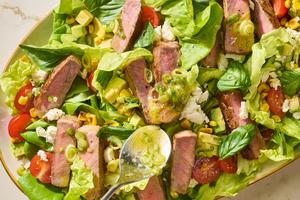
The Kitchn: This fresh, flavorful steak salad is a satisfying meal
There’s nothing I love more than a dinner salad. To me, that means a salad that encompasses all the essential parts of a meal (and then some) in one hearty dish. As the weather gets warmer, I’m turning my attention to steak salad, filled with the season’s ...Read more

Why is this slice of pizza $55?
PHILADELPHIA — Wait — $55 for a slice of pizza?
What is it, topped with caviar?
Actually, yes. Starting Friday, Mason Lesser of Marina’s Pizza in Philadelphia will sell slices of white pizza topped with an ounce of golden osetra caviar from CaviarXS, served with a mother-of-pearl caviar spoon that customers can keep, on an antique gold ...Read more

LA's best ice cream is from this secret pop-up. Here's how to get a pint
LOS ANGELES -- The best ice cream is often the ice cream you're eating. It could be the chalky layers of vanilla and strawberry beneath the cake crumbs of a Good Humor bar. The stabilizer-filled soft serve from a fast food restaurant. The fast-melting cone of chocolate malted krunch from your local pharmacy. But if you were to press me for the ...Read more
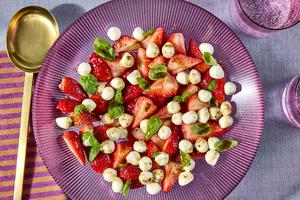
EatingWell: A fresh spin on the Italian summer salad
This strawberry caprese salad is a fruity twist on the classic Italian dish, with juicy, ripe strawberries standing in for tomatoes. The sweet-tart flavor of strawberries goes beautifully with fresh mozzarella, basil and a drizzle of balsamic vinegar. This colorful salad is perfect as an appetizer, side dish or light lunch. To make it a main ...Read more
Related Channels
America's Test Kitchen
By America's Test Kitchen

ArcaMax Chef
By ArcaMax Chef

Recipes by Zola
By Zola Gorgon
Comics