
Environmental Nutrition: Freezer rules
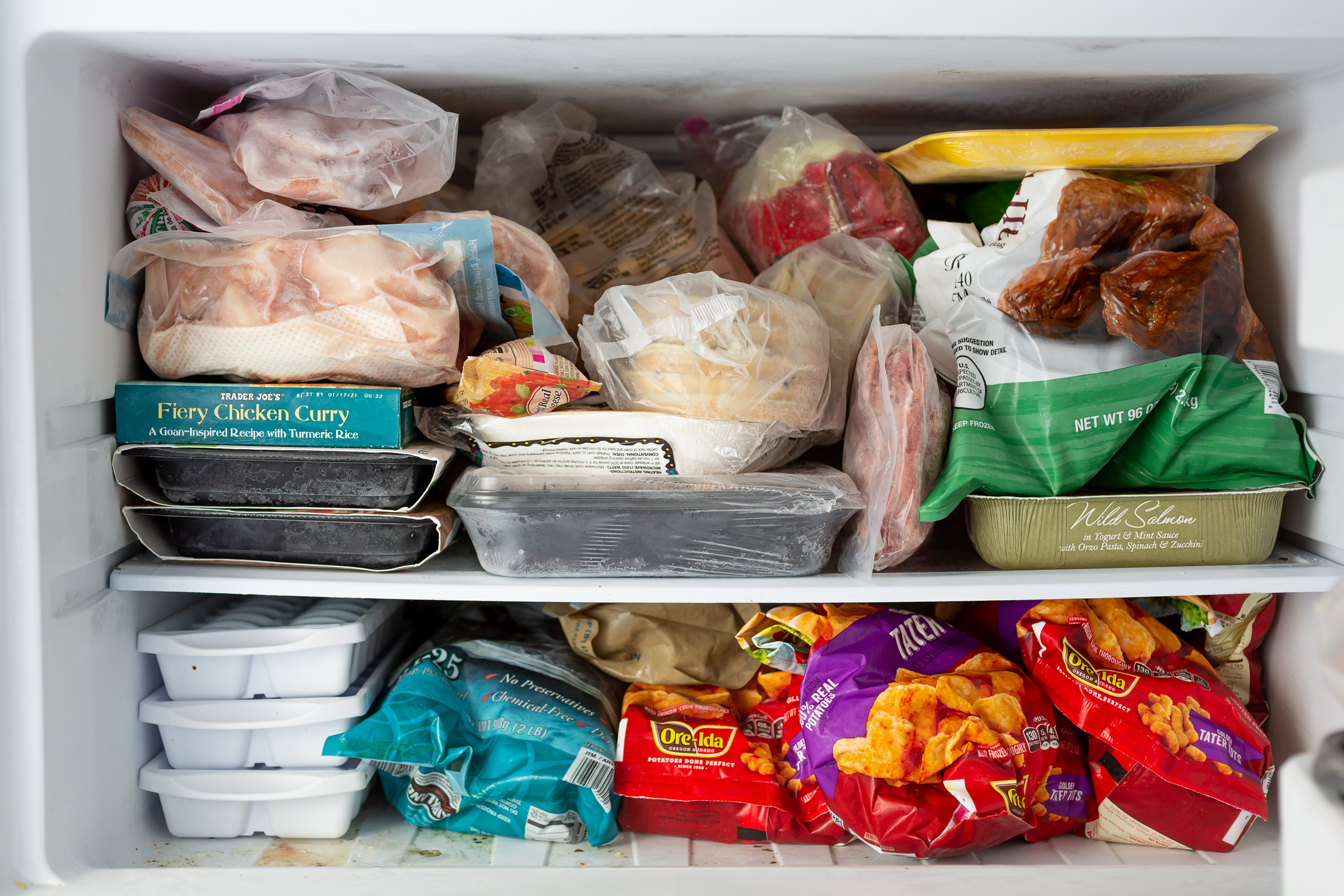
Q: How long can I safely freeze certain foods?
A: Freezing food is a smart way to cut waste and save time, but even frozen food has limits on quality. While frozen items kept at 0 F (-18 C) remain safe indefinitely, their taste and texture can suffer over time.
Meats like beef steaks or whole chicken maintain best quality for up to 12 months. Ground meats and poultry parts fare better if used within three to nine months. Seafood varies — lean fish like cod can last up to eight months, but fatty fish like salmon are best used within three months.
Prepared meals, such as casseroles, should be eaten within two to three months for best flavor. Vegetables need blanching before freezing and typically last up to a year. Fruits, when properly prepped, freeze well for eight to 12 months.
Baked goods like bread and cookies freeze well for a few months, and hard cheeses or butter can last six to nine months.
To keep food fresh longer, use airtight packaging, label with dates, and avoid re-freezing. With smart storage, your freezer can be a powerful tool for preserving quality and cutting down on food waste.
(Environmental Nutrition is the award-winning independent newsletter written by nutrition experts dedicated to providing readers up-to-date, accurate information about health and nutrition in clear, concise English. For more information, visit www.environmentalnutrition.com.)
©2025 Belvoir Media Group, LLC. Distributed by Tribune Content Agency, LLC.






Comments