What's the magic in magic mushrooms?
Americans became aware of the magic mushroom, psilocybin, in 1957 when Life magazine published an article by a U.S. banker, R. Gordon Wasson, on his experience with it during a trip to Southern Mexico. Timothy Leary advocated its use during the 1960s and 1970s. But the U.S. government then classified psilocybin and other psychedelics as Schedule 1 drugs. That meant they were considered highly dangerous, without medical benefit, and with great potential for abuse.
That's changing. The Food and Drug Administration now supports accelerated research into psychedelic drugs, such as psilocybin, for treating serious mental health conditions.
But that doesn't mean you should experiment with "black market" psilocybin (there's no approved version yet). It comes in unverified strengths (and sometimes with no psilocybin at all), mixed with who knows what in its powdered form, and may cause anxiety while "tripping" and increased post-trip depression.
What we already know about its benefits is intriguing, however. Studies in Nature Mental Health, JAMA Psychiatry and the JAMA Network show that, when taken in a controlled setting and combined with psychotherapy, it can be just as or more effective than conventional antidepressant medication for folks with treatment-resistant depression.
So, if you have treatment-resistant depression, ask your doctor to investigate access to FDA-monitored experimental forms of psychedelics. And for mild to moderate depression, daily aerobic exercise and anti-inflammatories such as aspirin and colchicine (gout medicine), and therapeutic plasma exchange are also often as effective in providing relief as medications.
For more information on improving your mental health, check out "The Great Age Reboot."
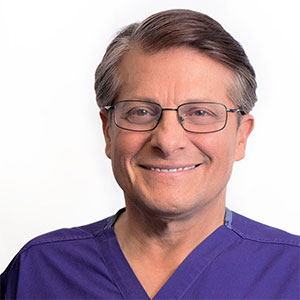
Health pioneer Michael Roizen, M.D., is chief wellness officer emeritus at the Cleveland Clinic and author of four No. 1 New York Times bestsellers. Check out his latest, "The Great Age Reboot: Cracking the Longevity Code for a Younger Tomorrow," and find out more at www.4YOUngevity.com. Email your health and wellness questions to Dr. Mike at questions@4YOUngevity.com.
(c)2026 Michael Roizen, M.D.
Distributed by King Features Syndicate, Inc.
(c) 2026 Michael Roizen, M.D. Distributed by King Features Syndicate, Inc.





Comments