Health Advice
/Health
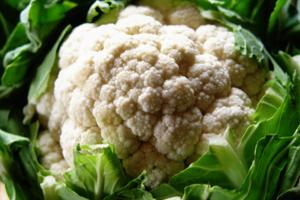
On Nutrition: White food isn't all bad
Ever hear the advice, “Don’t eat anything white”? Don’t believe it.
These are the kind of thoughts that pop into my head when I’m in the kitchen cooking a head of cauliflower.
To be fair, some of the advice against white foods has merit. A good example is white bread, typically overly refined and stripped of many of its healthful ...Read more
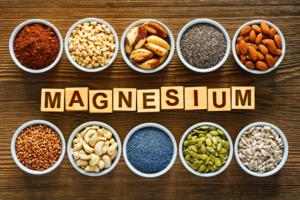
On Nutrition: Marvels of magnesium
Magnesium is a necessary ingredient for more than 300 chemical reactions in the human body. It helps manufacture proteins, regulate blood pressure and control blood sugars. Our nerves and muscles depend on magnesium to function.
Oh, and our bodies also need magnesium to produce energy, to develop strong bones and keep our hearts beating ...Read more
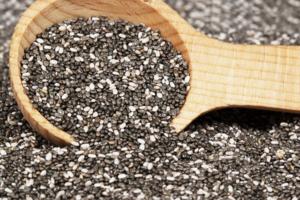
On Nutrition: Chia seeds
I was happy to hear from Sheri, who was my neighbor and friend in a community I moved from several years ago. I was also relieved to hear she is doing well.
At a young age, Sheri was diagnosed with Type 1 diabetes—formerly known as “insulin-dependent” or “juvenile diabetes.” This disease destroys a key hormone called insulin that the ...Read more

On Nutrition: Lessons from Alaska
We just returned from a remarkable trip to our country’s 49th state. Alaska did not disappoint. Besides its spectacular display of oceans, mountains, glaciers and wildlife, this land carries a rich history.
One story that caught my attention (because it’s nutrition-related) involves Alaska’s state tree, the Sitka spruce.
Sailors explored...Read more
On Nutrition: Balancing nutrition with life
This past month has been a whirlwind. Last week we happily invested several days at our county fair to cheer on grandkids who exhibited their livestock. That event came a week after driving across four states to help our youngest daughter move to a new job. And that followed a flight halfway across the country to attend a funeral for a dear ...Read more
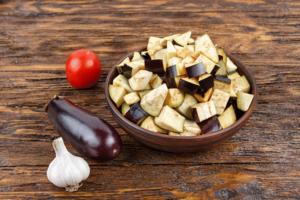
On Nutrition: Readers are hungry for some answers
I’m sitting in the Denver airport between flights. Good time to read mail.
Rita L. from Omaha writes: “I just read your article in the Omaha World-Herald. Thank you for helping us improve our diets, and telling us WHY things work. I was told that to lower blood pressure, I should do the following: Cut eggplant into 1-inch cubes. Soak them ...Read more
Related Channels

Dr. Michael Roizen
By Dr. Michael Roizen

Keith Roach
By Keith Roach, M.D.

Scott LaFee
By Scott LaFee
Comics