Study: Psilocybin may ease suicidal thoughts
Published in Health & Fitness
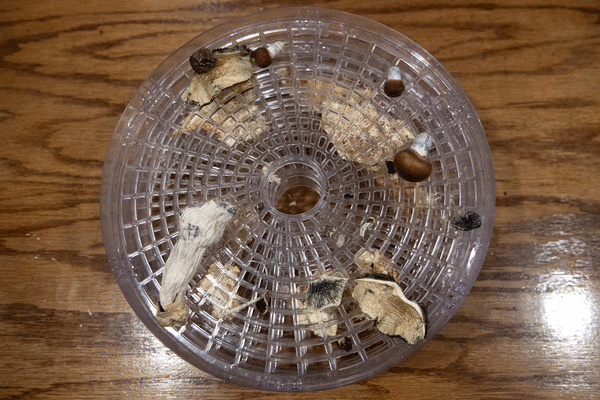
BALTIMORE -- People living with persistent suicidal thoughts may find relief from psilocybin paired with structured psychological support, according to a small clinical trial led by Sheppard Pratt clinicians.
The study, led by Sheppard Pratt chief science officer Scott T. Aaronson and psychiatrist Andrew van der Vaart, offers early evidence that the treatment may produce rapid and sustained reductions in suicidal thoughts.
The study included 20 adults whose symptoms had not improved after at least two previous treatments. Each participant received a 25-milligram dose of psilocybin along with preparation, supervised administration and follow-up therapy over 12 weeks.
Many participants reported fewer suicidal thoughts within one week, van der Vaart said. By the 12th week, 70% reported little or no suicidal ideation. Participants also reported significant reductions in depression at every follow-up assessment, he said.
The findings were published in the May issue of The Journal of Clinical Psychiatry.
About one in 20 U.S. adults experiences serious suicidal thoughts each year, according to the National Alliance on Mental Illness. The organization’s help line received 93,452 calls in 2025.
Standard antidepressant treatments often do not provide sufficient relief for people with severe, chronic suicidal thoughts, van der Vaart said.
“Individuals living with chronic suicidal ideation are frequently excluded from psychedelic clinical trials, despite having a significant unmet need for new treatment options,” he said. “These findings suggest psilocybin-assisted therapy may have the potential to provide rapid and durable relief for some patients when delivered in a carefully structured clinical setting.”
Other treatments, including ketamine, may provide short-term relief from chronic suicidal thoughts, but their effects can fade, the researchers wrote.
“Psychedelics such as psilocybin have garnered considerable attention for their potential to induce rapid and enduring psychological change when administered with structured psychological support,” they wrote in their study.
Using psilocybin without clinical supervision and structured therapy can be dangerous because psychedelic drugs can have unpredictable effects, van der Vaart said.
“Notably, 1 participant with comorbid [post-traumatic stress disorder] experienced a panic attack during the dosing session,” the researchers reported, requiring rescue medications and follow-up therapy. “This underscores that even within a highly controlled and supportive therapeutic context, a negative psychological outcome is possible for a subset of individuals.”
Emerging research suggests psychedelics may work differently from traditional psychiatric medications, Aaronson said in a previous interview. Antidepressants regulate brain chemistry over time, while psychedelics appear to temporarily increase brain connectivity and psychological flexibility, potentially creating an opportunity for therapy to produce lasting changes.
“It’s more than neurochemistry,” Aaronson said. “They make the brain more amenable to change.”
©2026 The Baltimore Sun. Visit at baltimoresun.com. Distributed by Tribune Content Agency, LLC.






Comments