Mayo Clinic Minute: Understanding brain aneurysms and treatment options
Published in Health & Fitness
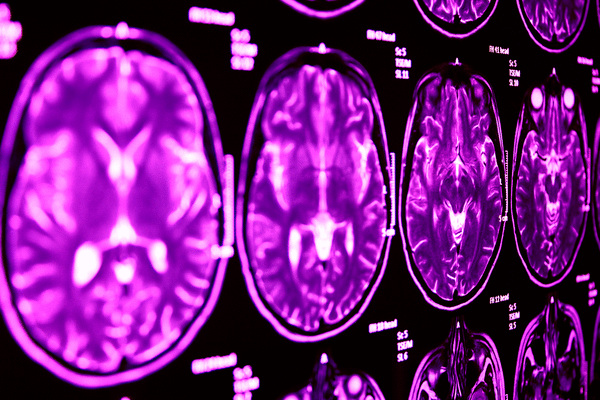
In the U.S., approximately 1 in 50 people may have an unruptured brain aneurysm. Understanding the condition and when treatment may be needed can be lifesaving.
A brain aneurysm, also called a cerebral aneurysm, is a bulge or ballooning in a blood vessel in the brain. Aneurysms generally fall into two categories: ruptured aneurysms, which are neurosurgical emergencies requiring immediate care, and unruptured aneurysms, which allow time to evaluate treatment and monitoring options.
"For unruptured aneurysms, we have the ability to plan and make a decision on the best treatment upfront in a nonemergent situation," says Dr. Chris Fox, a Mayo Clinic neurosurgeon.
But when a brain aneurysm ruptures, prompt medical attention is required.
"Typically, when we see a patient with a ruptured aneurysm, we treat it as quickly as possible. That's usually within a matter of hours because there's a risk that the aneurysm can rerupture," he says.
Symptoms of a ruptured aneurysm can include severe head pain, nausea, vomiting, confusion and loss of consciousness.
"The classic presentation for a ruptured aneurysm is a patient has the worst headache of their life," Dr. Fox says.
Brain aneurysms are more common in women, and there may be a genetic component because aneurysms can run in families.
"But smoking and hypertension are two of the biggest risk factors for causing an aneurysm or having an aneurysm form," says Dr. Fox.
©2026 Tribune Content Agency, LLC.









Comments