Ask the Pediatrician: How to protect kids during water shortages
Published in Health & Fitness
Every year, droughts affect millions of people around the world, including children. Drought conditions can have far-reaching effects on families and communities, impacting water supplies, food production, air quality and overall health.
A drought happens when there is not enough rain or snow for a long time. This can make both the ground and lakes dry up. In the last 20 years, droughts have happened more often because the weather patterns are changing, partly because of climate change. El Niño and La Niña are weather patterns that can also cause less rain and warmer weather in some places. Droughts do not happen quickly and can last for weeks, months or even years. To end a drought, there needs to be large amounts of rain over an extended period of time.
The effects of drought conditions on children can be especially serious because their growing bodies need steady access to water and other essential resources. The good news is that there are things families can do to get ready for and keep children safe during droughts.
Everyone needs clean, safe water to live, especially kids. That's because they can get sicker faster than adults. Droughts can really harm people’s bodies and minds, and can also affect water safety, food production, and the economy and livelihood of communities.
Droughts can cause health problems in different ways. They can lead to dehydration, which means the body doesn't have enough water to function properly. The risk of dehydration is even higher if the drought is related to extreme heat.Mild dehydration causes tiredness, headaches and dizziness. Severe dehydration is very dangerous and can cause confusion, seizures, kidney damage and even death. This is even worse in hot weather, during pregnancy and for infants, young children and young athletes.
Water quality also decreases during droughts. When there is less water, germs and harmful chemicals become more concentrated in what water is left, and treatment plants can get overwhelmed. Also, when water pipes lose pressure, dirty water and sewage can leak in. So, the water that reaches homes can carry germs that make people sick.
To stay safe when water quality is a concern, make sure to use safe water for drinking and beverages, food preparation and cooking, ice making, face washing and toothbrushing, and to prepare infant formula.
It’s important to always follow the advice of the health and water authorities when there is a risk of contaminated, unsafe water. Depending on the circumstances, they may advise people to boil the water or disinfect it by adding a specific amount of household bleach to a specific amount of water, or to avoid tap water from the faucet altogether. You can also filter water for additional safety. Keep in mind that many water filters do not remove all bacteria and viruses. Even if you use a filter, you may still need to boil or disinfect the water before using it.
If you have a water cistern (large container used to store drinking water), make sure to follow the recommendations on its correct use and maintenance. This will depend on the type of cistern.
Low water levels due to droughts impact hygiene access too. Washing hands with soap and water is one of the best ways to stop germs from spreading, but less water means less hand-washing. When water is scarce, people are forced to skip bathing, washing clothes, cleaning their homes and washing dishes. Hygiene and sanitation challenges lead to increased risk for food contamination and the spread of germs that can cause diseases, like diarrhea, along with skin, eye and respiratory infections. Children with chronic diseases are even at higher risk for infections during droughts.
To minimize the impacts on hygiene during a drought, wash hands with water and soap the correct way, especially before cooking and eating. If no water is available, use hand sanitizer that contains at least 60% alcohol. Help children use the hand sanitizer and keep it away from younger children’s reach. Maintain adequate toothbrushing and oral hygiene even with very little or no water.
Unsafe water and mosquitoes can spread further illness. When clean water runs low, people may drink water that is not safe. Or, they may store water in containers that can create breeding grounds for mosquitoes. Contaminated water can have germs in it that make people sick with diseases like diarrhea and leptospirosis. Mosquitoes, depending on the U.S. region, can carry diseases such as dengue and West Nile encephalitis.
Droughts impact the food supply as well. Farms of all types need water to grow crops and raise animals. When water is short, like during a drought, there is less food. This can lead to hunger and malnutrition, which means people—especially children—don't get enough healthy food. Kids who don't get enough food and clean water may not grow well and can become weak or sick.
Droughts cause an increase in stress, which negatively impacts your body beyond the direct harms of dehydration and malnutrition. Constantly worrying about getting water can make people, including children, feel anxious or sad. During prolonged drought, families can lose their income if parents work in farming, plant and food production and the cooking business.
When there is a crisis, children are aware but may not fully understand. To protect your children's mental health during a water shortage or drought, try to maintain a predictable routine as much as possible. It’s also important to acknowledge, name and validate children's feelings and follow up with calm, honest information that is appropriate to the child’s age and development. Other ways to minimize children's stress is to limit their exposure to distressing images, sounds and repeated news coverage of the crisis. Instead, promote social connections through play or family activities. To give children a sense of empowerment over the situation, which can mitigate stress, include them in the family plan to conserve and store the water.
Air quality worsens and the risk of wildfires increases as droughts set in. As the soil becomes drier, dust storms form and the dust in the air increases. This can worsen allergic disease, eye problems and lung conditions such as asthma. Dry conditions can lead to wildfires, putting on danger people's lives and health. The lack of water also interferes with the response of firefighters to fire emergencies.
Droughts, like other natural weather-related events, can be unpredictable. But there are actions that you can take to prepare and protect your family during water shortages.
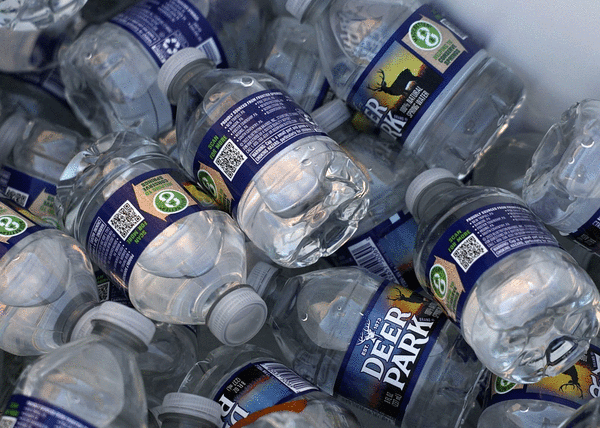
Stock piling bottled water can help in instances of drought. One gallon of bottled water per person per day is recommended in case of a drought to ensure clean water to drink and for toothbrushing. Families can also store clean water for later use. To safely store water collected from rainfall or the faucet, be sure the water is in clean, well-covered containers. Never reuse containers of chemicals to store water. Containers must be washed and sanitized correctly, be closed tightly, labeled with the phrase "drinking water" and stored away from direct sunlight.
You can make your water supply last longer by taking shorter showers, turning off the faucet while brushing teeth and dishwashing, washing only full loads of clothes, reusing water for plants, and fixing water leaks in the home.
____
Gredia Huerta-Montañez, MD, FAAP, is a pediatrician and works on environmental health and climate change solutions for children. She served as a member of the AAP Council on Environmental Health and Climate Change and is a scientist at Northeastern University, an adjunct associate professor at the Icahn School of Medicine at Mount Sinai in New York and teaches at the University of Puerto Rico School of Medicine.
©2026 Tribune Content Agency, LLC.








Comments