Red light therapy for skin care
Published in Health & Fitness
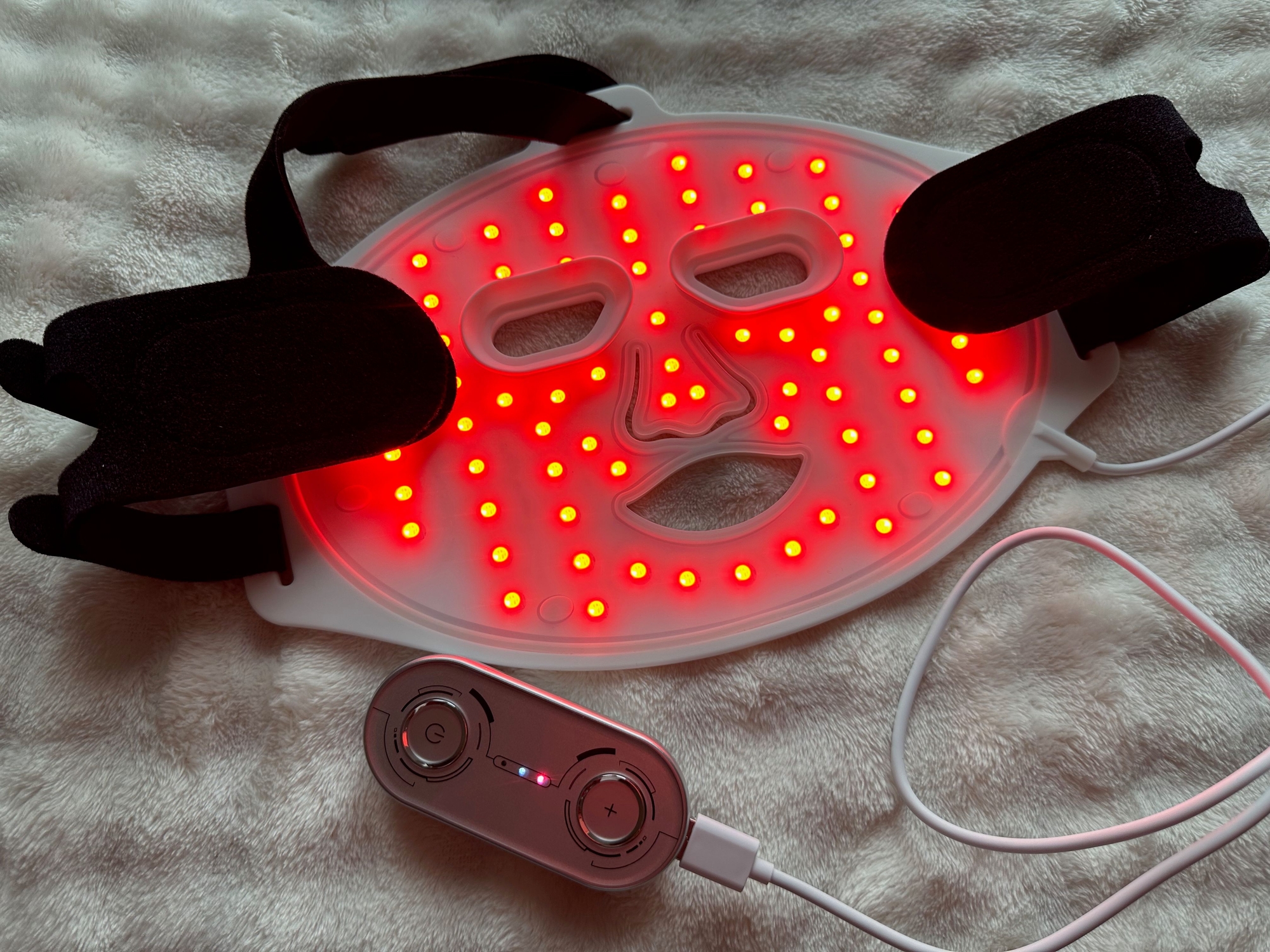
It’s getting hard to escape the barrage of advertisements, signs, and social media posts touting red light therapy. Many of them trumpet big claims, including firmer, clearer, younger-looking skin. But is it all hype - or can red light therapy deliver?
It really can, says Dr. Rachel Reynolds, interim chair of the Department of Dermatology at Harvard-affiliated Beth Israel Deaconess Medical Center — although she was once a skeptic about red light therapy benefits. “I thought this was just the latest fad to get people to spend their money. But there’s legitimate medical literature supporting it,” she says.
What is red light therapy?
Known medically as photobiomodulation and previously called low-level laser light therapy, it involves using devices that emit red or near-infrared light aimed at the skin. It’s available in a dermatologist’s office or through a plethora of at-home devices, many of which use LEDs or low-level lasers considered safe for home use, according to the American Academy of Dermatology (AAD). Even home versions can be expensive, however, with masks, caps, and wands typically costing several hundred dollars or more.
“When I’m talking with patients about rejuvenation and skin care, patients are definitely asking about red light therapy more frequently,” Reynolds says.
Before and after: What results can you expect?
How does red light therapy work? It’s believed to stimulate mitochondria - tiny “powerhouses” in cells - to reduce inflammation and boost the production of collagen, a structural protein that makes skin stronger and more supple.
While it’s not a miracle fix for skin issues, the AAD says that research suggests red light therapy can help:
“It works on an impressive array of conditions,” Reynolds says, adding that the therapy is noninvasive and requires minimal recovery time. “I think you’re going to see the greatest demand in people already seeing signs of skin aging who want to try to reverse it a bit.”
Potential dangers and side effects of red light therapy
Unlike ultraviolet light, which can cause skin cancer, red light therapy hasn’t demonstrated such risks. It’s FDA-approved and considered safe, with side effects that are minimal and may include temporary skin redness. But scientists haven’t yet pinned down how long each treatment session should last — its optimal “dose” — or what doses are appropriate for various skin issues, Reynolds says.
Additionally, since various at-home devices have differing light strengths, it’s especially difficult to determine how much exposure someone is getting. “Over-the-counter products may be weaker, and it’s hard to know which device would be optimal to purchase,” she says.
Professional versions, on the other hand, “are likely to have the ability to better control the dose and provide a greater range of doses that can be calibrated to suit whatever condition is being treated,” Reynolds says.
Tips for effective use
Whether you see a dermatologist or opt solely for home use, regular red light treatments are necessary to achieve results. Also, the therapy complements, but doesn’t replace, other skin-savvy measures, including strict sun protection, eating healthfully, getting restorative sleep, and moisturizing skin regularly.
“For the devices to be effective, they must be used multiple times a week for four to six months,” she says. “It’s slow and steady. It’s not going to be anyone’s quick fix.”
Reynolds suggests these tactics for safe and effective use of home red light therapy products:
(Maureen Salamon is executive editor of Harvard Women’s Health Watch)
©2026 Harvard University. For terms of use, please see https://www.health.harvard.edu/terms-of-use. Distributed by Tribune Content Agency, LLC.








Comments