Ask the Pediatrician: Kratom: What parents need to know about this risky substance
Published in Health & Fitness
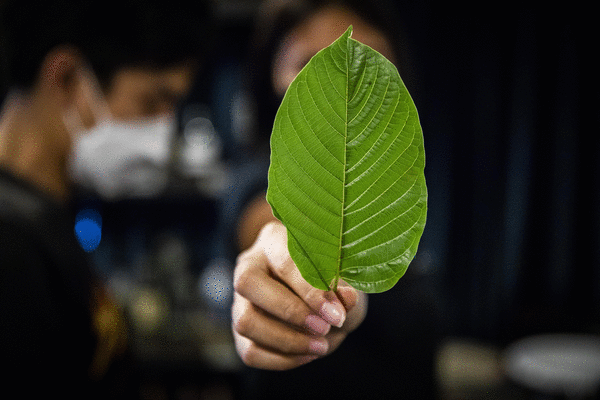
You may have seen Kratom products at gas stations, vape shops or online. Marketed as "natural" and often sold in forms such as powders, capsules and gummies, kratom is gaining popularity in the U.S. among teens. But while it comes from a plant, that doesn't make it safe.
Kratom comes from the leaves of the Mitragyna speciosa tree, native to Southeast Asia. Historically, kratom has been used in traditional medicines by brewing it in teas or chewing the leaves. Recently, though, kratom has grown into a large-scale industry in the United States and is now mass produced in a variety of forms.
Kratom is most commonly sold as powdered leaf-filled capsules, or as a powder that is mixed into a drink. Newer kratom products are now being sold as candy gummies in a variety of flavors. Kratom is sometimes also called biak or biak-biak, herbal speedball, kakuam, ketum, thang or thom.
Kratom is often sold in gas stations and smoke and vape shops. Many states have taken steps to make kratom illegal, but restricting its sale has proven difficult. Even in states where kratom is illegal, minors may still find it being sold in gas stations and smoke and vape shops. Teens may also purchase kratom online, since there are few age restrictions to viewing and purchasing these products.
The U.S. Food and Drug Administration is concerned about kratom and continues to investigate its health effects. The FDA has banned its import into the United States but did not have enough evidence to officially classify it as a controlled substance. So, it can still be manufactured and sold in the U.S.
At low doses, kratom can make you feel like you have more energy and make you more alert, like a stimulant. It can cause a temporary feeling of happiness or euphoria, but it can also make your blood pressure very high and cause a dry mouth.
At higher doses, kratom reduces anxiety and causes sleepiness, the way strong pain drugs like opioids (heroin or fentanyl) do. In fact, like opioids, it can cause people to stop breathing at higher doses. It also can cause liver damage, hallucinations, and convulsions or seizures. Kratom has caused or contributed to dozens of deaths in the U.S. in the past decade.
Natural does not always mean safe. Many naturally occurring substances, like lead or cyanide, can be toxic if consumed even in small amounts. Kratom is no different. It binds to the very same brain receptors that opioids including heroin or fentanyl do, so it can have similar, dangerous effects. Because of this binding effect, kratom can be addictive. People who use it regularly for a while and then quit have reported withdrawal symptoms like those seen with opioids.
Kratom can lead to addiction (substance use disorder), but science does not yet show how much or how long it takes for this to happen. People who become addicted to kratom might start to feel sick if they suddenly stop taking it.
Some signs of withdrawal from kratom might include nausea, vomiting, diarrhea, muscle/joint aches, restlessness, runny nose, excessive yawning, and hot or cold flashes.
There is no safe way to use kratom. Kratom products are not regulated and have more than 50 biologically active compounds in it. Some change the way your body handles other medications. That means kratom can interact with prescription drugs, causing potentially serious issues, and you can't know how strong or pure they are.
Some kratom has been contaminated with harmful bacteria like salmonella, which can cause serious illness. The FDA says kratom cannot be legally sold as a medicine, dietary supplement or food additive in the U.S. Because of these risks, kratom use is never considered safe.
If you suspect your child is using kratom, it is best to choose a time when you can have a calm discussion with them. Focus on their safety and explain that kratom can cause very serious health problems.
Partnering with a pediatrician or therapist who specializes in substance use is great next step. A pediatrician or a therapist who understands substance use can guide you and your child toward safe treatment and support.
If you know someone who may be struggling with kratom addiction, it’s important to remember that addiction is a treatable illness. Medications and counseling can help people recover.
Call 988 to get local mental health and substance use resources. You can also search for treatment programs on FindTreatment.gov. You can also talk to your pediatrician. They can refer you to a substance use counselor or other specialists for support if needed.
____
Gary Kirkilas, DO, FAAP, is a general pediatrician at Phoenix Children's Hospital with a unique practice. His office is a 40-foot mobile medical unit that travels to various homeless shelters in Phoenix providing free medical care to families. He and his wife have four wonderful (most of the time) children and four cats
Chris Buresh MD, MPH, DTM&H, FAAP, FACEP, is a general pediatrician and emergency medicine doctor working in the emergency rooms at the University of Washington and Seattle Children’s Hospital. He has been involved in education and drug user health for many years. He and his wife have four incredible kids and two big goofy dogs.
©2026 Tribune Content Agency, LLC.









Comments