168 chemicals found in food linked to gut damage and fertility risks, study shows
Published in Health & Fitness
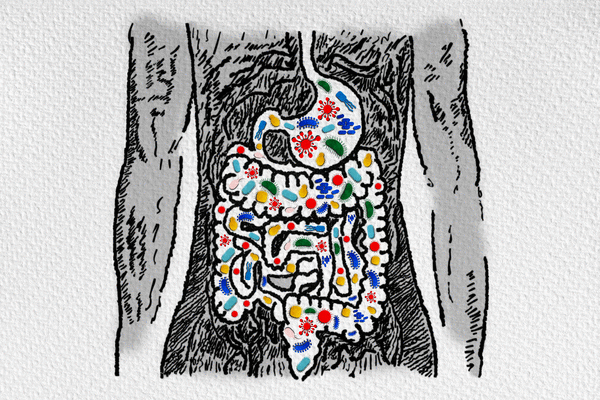
Many everyday chemicals can impact your gut health and even male fertility, research shows. Proper food preparation, including washing and peeling fruits and vegetables, can protect from common pesticides.
Researchers from the University of Cambridge tested common chemicals, including many without known health impacts, and found 168 that could cause significant damage to microbes that help digest food and maintain gut health. They tested more than 1,000 chemicals in the lab, looking for interactions with 22 of the most common microbes necessary for a healthy digestive system.
“We’ve found that many chemicals designed to act only on one type of target, say insects or fungi, also affect gut bacteria,” Study first author Indra Roux said in an article published on Cambridge’s website. “We were surprised that some of these chemicals had such strong effects.”
Some of these, including chemicals used to put out fires and to create common plastics, were previously thought not to affect living organisms, they found.
“Fungicides and industrial chemicals showed the largest impact, with around 30% exhibiting anti-gut-bacterial properties,” their November article in Nature Microbiology states.
In previous studies, all participants had detectable levels of pesticides, including permethrin, diethylphosphate, and glyphosate, in their urine.
The Cambridge researchers then used their data to train a machine learning model to predict any effects new chemical compounds might have on intestinal health.
The gut biome is important not just for digestion. Chronic illnesses, including obesity and diabetes, are associated with disrupted microbial populations, according to the University of Maryland Center for Excellence in Microbiome Sciences. This complex network of microbes has also been linked to changes in immune function and mental health.
In another study, researchers at George Mason University in Northern Virginia found that exposure to pesticides could harm male reproductive health.
“We concluded it is possible that exposure to these chemicals can lower sperm quality, disrupt hormones, and damage testicular tissue,” Sumaiya Safia Irfan, the study’s first author and a George Mason graduate, said in a university press release.
Their review focused on neonicotinoids — the most widely used insecticide in modern farming — and their impact on male rats and mice. They analyzed the results of 21 experimental studies conducted over the last 20 years and found consistent evidence of harm to male fertility.
They published their findings in December in the journal Environmental Research.
The clear evidence from animal trials and the rising use of these pesticides in American farming practice, they said, warrants more research to confirm these effects in humans.
Washing produce
The effectiveness of washing food varies, depending on the produce, the pesticide and the method of application. However, washing fruits and vegetables — yes, even organic food — in plain water can reduce pesticide intake by 76%, according to the National Institutes of Health.
And peeling certain produce can remove 44% of the pesticides found beneath the surface. Although peeling can also reduce a fruit’s nutritional value and dietary fiber, apples, pears, cucumbers, and zucchini, especially, should be peeled to remove absorbed chemicals.
_____
©2026 Baltimore Sun. Visit baltimoresun.com. Distributed by Tribune Content Agency, LLC.









Comments