Sundance 2026: Nezza expands on her activism in 'La Tierra del Valor'
Published in Entertainment News
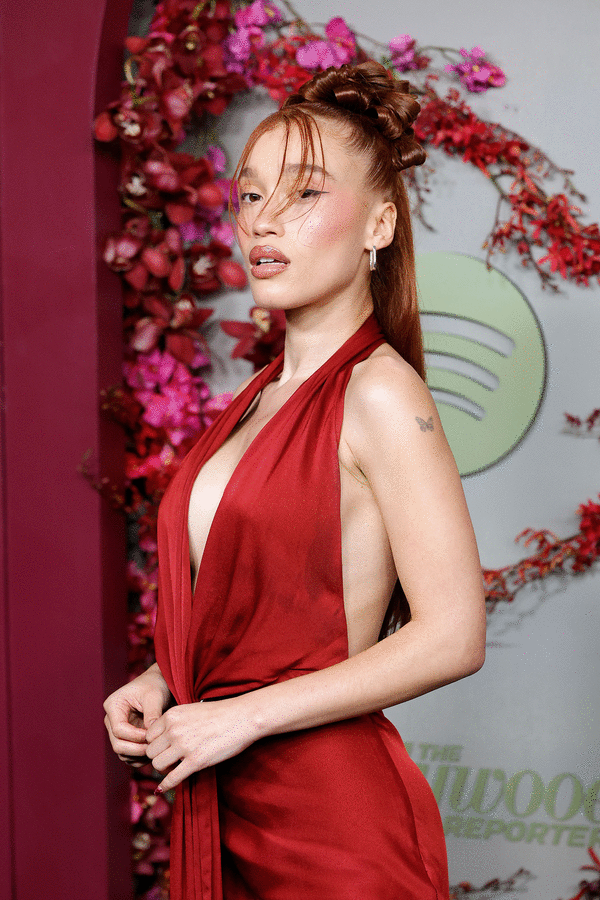
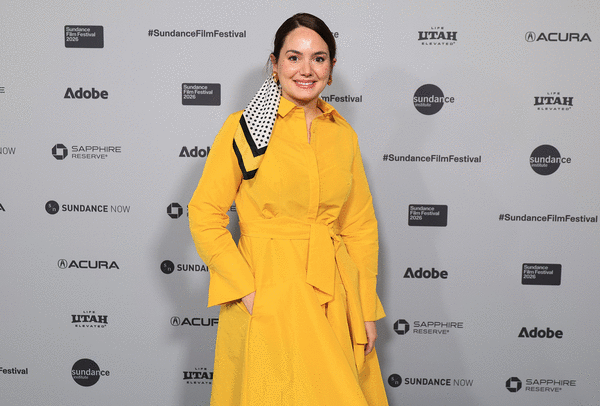


Ever since she could remember, the burgeoning Los Angeles pop singer Nezza has written her own songs. She’s choreographed her own moves. She’s even applied her own rhinestones to her outfits.
Then last summer, she staged her own protest at Dodger Stadium — as Immigration and Customs Enforcement agents stormed the city and raided immigrant communities, prompting waves of demonstrations from angry Angelenos.
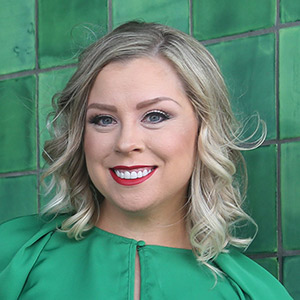
Directed by News & Documentary Emmy Award-winning director Cristina Costantini, Nezza stars in a new short documentary film titled “La Tierra del Valor” (The Home of the Brave), which premiered at this year's Sundance Film Festival.
Powered by Latina grit and glory, the film chronicles the lead-up to Nezza’s famous act of defiance: singing the Spanish-language rendition of “The Star-Spangled Banner,” titled “El Pendón Estrellado.” The song was penned by the Peruvian American composer Clotilde Arias in 1945, then revived by Nezza, who performed it ahead of a Dodgers home game on June 14.
Despite clearing the song ahead of time with representatives for the Dodgers, Nezza said she was dissuaded from singing in Spanish on game day by an unnamed employee of the team.
“What I’ve learned most is that doing the right thing probably always will feel not safe,” said Nezza outside the Library Center Theater in Park City, Utah, where the film premiered. “But it’s always gonna feel right, and that feeling will just fuel you for years to come.”
Born Vanessa Hernández to a Dominican mother and Colombian father in the Bay Area, Nezza always possessed an independent, DIY spirit, which blazes brightly throughout the documentary. The 31-year-old singer, along with director Costantini, sat down with The Times to unpack the ripple effects from that tumultuous summer of 2025 — as well as future plans for the burgeoning Latina pop star.
[This interview has been edited and condensed for clarity.]
Q: Nezza, people saw your performance of the national anthem as an act of resistance, in the face of increasing anti-immigrant actions by the federal government. Did you ever see yourself becoming an activist?
Nezza: The short answer is no. I understand why people are scared to speak up... I was [once] one of those people. But I mean, during [the 2020 Black Lives Matter protests], I was out in the streets. I’ve been very vocal on my online platforms for a while. It’s very clear where I stand politically. All that matters is to speak your truth. I think last year really taught me that the Latino community is ready to welcome you with open arms, so I’m ready to continue on with that activism.
Q: And Cristina, you have made a name for yourself documenting people who [broke] new ground — whether it was the astronaut Sally Ride, pop star Karol G, or astrologer Walter Mercado. How did you first react when you heard Nezza’s story?
Cristina Costantini: I was very struck by Nezza, because a lot of us are thinking about what’s happening in the world and what our role in it is gonna have to be. Our institutions [are] failing us. These corporations, that just years ago were all about DEI, [are] all failing us. Nezza gave me hope — and I wanted to share that hope with more people as a road map for the next few years, months, weeks, days, hours.
Being brave sometimes feels scary, and it’s not [for] some other class of person. These are normal people like us that are the ones standing up right now: It’s the nurses protecting their patients, the teachers protecting their kids. These are the normal people resisting authoritarianism. We’re going to be in a position [to stand up] at some point, and what are we going to do? I hope that I choose the Nezza path.
Q: Nezza, who are some revolutionary Latinas that you’ve looked up to over the years?
Nezza: My mom’s Dominican, so I think the first [names] that pop up are the Mirabal sisters. They’re also known as La Mariposas, which I always really loved, because my name means butterfly. I have a butterfly tattoo. They were a big part of the Trujillo regime finally coming down [in the Dominican Republic]. And obviously, Dolores Huerta is who I finally had the honor of finally meeting last year. I love her so much — she was a big part of our civil rights and labor movement.
Q: The documentary features footage from that fateful day in Dodger Stadium. Who was filming these scenes?
Nezza: My boyfriend, Keean Johnson! He’s an amazing actor, but his passion is documentary film and directing. He’s filmed a lot of my life, every day. This day was really no different than what he normally does… And it just happened to be obviously a way crazier day than normal. But he has good instincts and he knew that something was going to go down.
Costantini: He has such good instincts. If a conflict starts happening, regular people [put the] camera down, but he kept shooting. And you see Nezza’s face fall as she learns that she’s not supposed to be singing in this language that she thought she was allowed [to sing in] — the language of our parents, the language of our community. And you see her wrestling with all of these questions in real time. [Johnson] was being a good partner, but also incredible filmmaker in that moment.
Q: Nezza, you dropped hints that some labels have been courting you in the last few months. Can you tell us what you’re working on?
Nezza: We’re exploring options as far as where we’re going to land is for, you know, label home. But right now my second home is just a studio. So there’s never a time when I’m not writing music. Expect a lot of new music in 2026. Big things are coming!
©2026 Los Angeles Times. Visit at latimes.com. Distributed by Tribune Content Agency, LLC.








Comments