6 books that take a look at home
Published in Books News

MINNEAPOLIS -- “There’s no place like home,” Dorothy says in “The Wizard of Oz,” a cross-stitch pillow message that hints at only part of the story.
Dorothy, of course, realizes that home is where her dreams live, but “home” is not as simple a concept for the adult siblings in Angela Flournoy’s “The Turner House,” who are trying to figure out what their home in a blighted area of Detroit now means to them. Or, for that matter, for the pastoral clan in “Little House on the Prairie,” who seem to love home but who move an awful lot (possibly, as written in “Prairie Fires," to keep ahead of creditors).
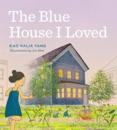
Home is a complicated place for many of us. It’s a subject many of our finest writers have addressed, including St. Paul writer Kao Kalia Yang, in her new picture book:
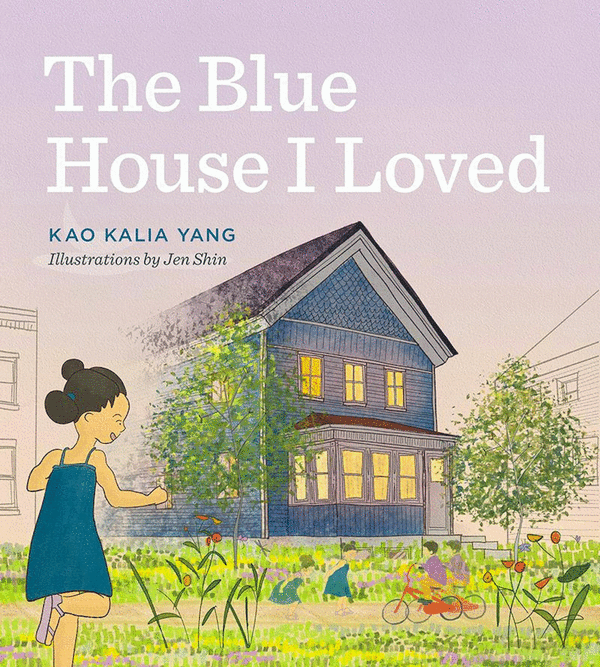
‘The Blue House I Loved,’ Kao Kalia Yang, illustrated by Jen Shin
Like other books on this list, the autobiographical “Blue” conveys that houses are impermanent, but Yang writes that the things that happen there can remain long after the walls come down. Although the building on St. Paul’s Payne Avenue that Yang’s family shared with her aunt and uncle is long gone, she writes that “the memory of that house kept them close to me long after our lives in America had spread us far from each other.”
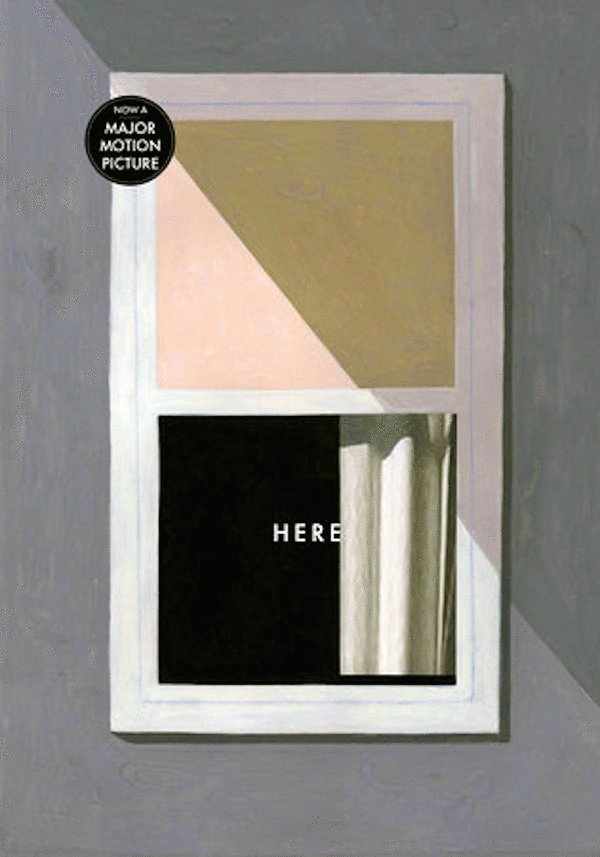
‘Here,’ Richard McGuire
This graphic novel is the most unusual book on this, or just about any, list. How unusual? Director Robert Zemeckis tried to capture its qualities with a Tom Hanks/Robin Wright movie that completely missed the mark. “Here” takes place on one plot of land but it’s constantly shifting over centuries to reveal the lives of its occupants morphing into other lives: Native people working the land, a relative of Benjamin Franklin disrespecting it, a modern couple trying to make a marriage work in it. It’s both a book about a place, a home that several families occupy, and about the lasting imprint people and creatures make on that place.
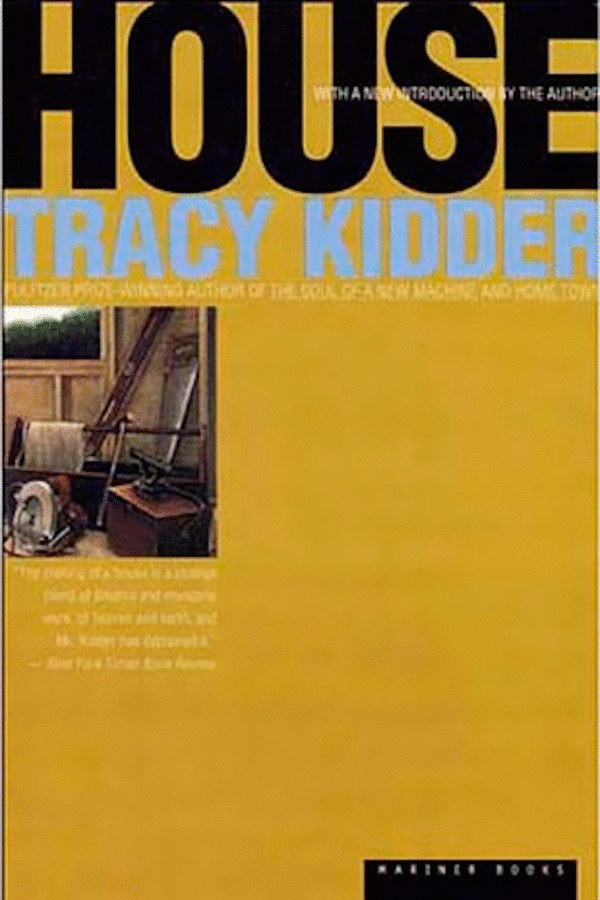
‘House,’ Tracy Kidder
Many of Kidder’s nonfiction books use a first-to-last technique: spending a school year in a grade school classroom (“Among Schoolchildren”), a team racing to build a computer (“The Soul of a New Machine”) or, in the case of “House,” the construction of a home. Kidder starts when the homeowners choose a site and work with an architect to design the house, proceeding until it’s time to move in. That may not sound riveting, but Kidder is crazy-good at keeping the focus on people. In this case, it’s people trying to agree about what a project should look like and how that can be achieved. Mistakes are made, compromises are negotiated and, through it all, it becomes clear that the most important players in the creation of a new structure are the people who build it, turning drawings and plans into a place in which to make a life.
‘Roman Stories,’ Jhumpa Lahiri
More about the state of mind suggested by “home” than any specific places, the Pulitzer Prize winner (for the stunning “Interpreter of Maladies,” which explores similar themes) writes about people who live in Rome and who are in various states of comfort there. From vacation renters who feel unwelcome because of an off-limits room to immigrants who receive constant reminders that some Italians do not want them there, the characters in these stories are all trying to figure out where “home” is.
' The Round House,' Louise Erdrich
The Minneapolis author often writes about home but might as well go with the novel that actually has “house” in the title. The round house is not a happy place — it’s the site of a rape that occurred years before most of the book is set — but it provides an opportunity for reflection on houses and home, and about how differently two people can view the same place.
'The Yellow House,' Sarah Broom
Literally the title character of this memoir, the New Orleans house was in trouble even before Hurricane Katrina hit it and, ultimately, disaster relief crews ripped it apart. Although the yellow house looked fine from the outside, it was a decaying mess inside, to the extent that Broom and her siblings were not allowed to invite friends into it. The Brooms loved its idiosyncrasies, anyway (her brother continued to mow the yard, long after the hurricane rendered it uninhabitable). Broom uses the house as a metaphor for her beloved New Orleans, which also presents as a beautiful place but also is rotting because of racism and poverty. Readers will undoubtedly note that, although Broom escapes the house and the city for extended periods, she returns to it time and time again.
©2026 The Minnesota Star Tribune. Visit at startribune.com. Distributed by Tribune Content Agency, LLC.











Comments