Inflation could mean higher holiday spending but fewer gifts under the tree
Published in Business News
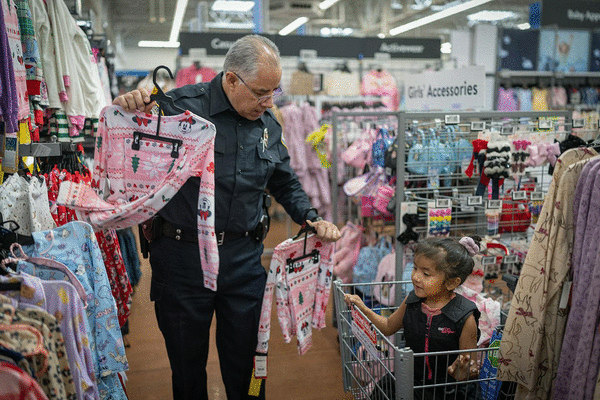
Less than a month after voter frustration over rising prices spilled into the midterm elections, U.S. retailers are hoping aggressive deals will spur crucial holiday spending.
Estimates of how much Americans will spend vary from survey to survey this year, but most point to a common theme: Shoppers are looking for cheaper options.
In a reversal from previous years, Minneapolis shoppers surveyed by Deloitte said they expect to spend less and buy fewer gifts this year.
Mass merchants are the top choice for local shoppers, according to the Deloitte survey. That means competition between big-box retailers, including Minneapolis-based Target, will be more intense as they try to win inflation-weary customers.
“Two years in a row, customers were expecting higher prices on holiday goods, so perhaps they are feeling some fatigue and the impact of those higher prices,” said Matt Marsh, managing partner at Deloitte in Minneapolis.
The increased preference for mass merchants makes winning market share even more important for Target and Walmart as they compete for shoppers who plan to spend less and buy fewer gifts.
Minneapolis shoppers expect to spend closer to $1,500 on gifts this year, down from slightly more than $1,700 last year. They also plan to buy eight gifts, down from nine.
Marsh said some of that spending may have shifted earlier in the year, with people buying gifts as early as June instead of waiting until November and December.
Target saw a larger jump in comparable sales than Walmart in the August-through-October quarter — 5.6% vs. 2.9%.
For Target, the gains came in part from increased traffic. Target reported a 5% increase in store visits, while the average amount spent per visit grew a modest 0.6%.
Walmart’s quarter added to a string of positive results. The company’s sales have been more consistent than Target’s over the years, leading some shoppers to move their spending to the Arkansas-based retailer.
Walmart officials stressed Thursday that consumers continue to spend, despite expressing concern about prices.
“It’s an interesting situation this year,” Marsh said. “The holidays should be good — the surveys and the forecasts all kind of agree on that — but that goes a little counter to what you hear is the general vibe right now.”
Target Chief Merchandising Officer Cara Sylvester said shoppers are still budget-conscious and responding to deals. She pointed to the number of holiday items priced at $20 or less.
When it comes to gifts, popular choices seem to be those that fit into the analog trend, including board games, books, art supplies and puzzles.
The industry has weathered its share of challenges in recent years. Both board games and toys were impacted by President Donald Trump’s tariff policies last year. Higher prices also raised concerns about shoppers’ willingness to spend on nonessential items.
Still, early signs from retailers point to sustained demand for collectibles and plushies — one of the more popular choices among kids and adults.
Target’s Fun 101 category, which includes toys, gaming, books, sporting goods and other common gifts, grew by 27% in the most recent quarter. The retailer has revamped its assortment to carry more in-demand items, including Kindle accessories, Pop Mart collectibles and Harry Potter exclusives.
A Visa spending report projects a 4.5% sales increase for November and December, which the credit card company dubbed the “strongest” growth since 2021.
But that figure is more moderate, at 1.1%, when adjusted for inflation.
The forecast from the National Retail Federation — a trade association that lobbies on behalf of retailers like Target and Best Buy — is similar to Visa’s, with spending projected at more than $1.013 trillion.
“Consumers are still spending, but they’re making deliberate choices about where their holiday dollars go,” Michael Brown, principal U.S. economist at Visa, said in a news release. “That combination of healthy spending and continued focus on value is likely to define this holiday season.”
Two firms, PwC and Circana, are preparing for a 1% to 2% decline in spending. However, Circana also factored in a margin for growth of up to 2.5%.
Millennials, who are in their peak earning years and likely buying gifts for children, are expected to pull back the most, according to PwC. They expect to cut their gift budgets by 10% this year.
©2026 The Minnesota Star Tribune. Visit at startribune.com. Distributed by Tribune Content Agency, LLC.







Comments