San Jose struggles to make city more affordable to live in
Published in Business News
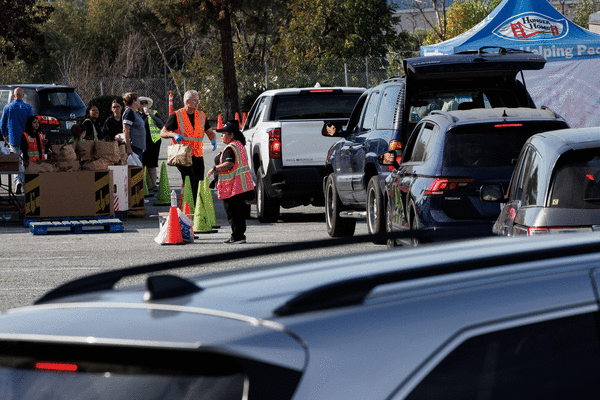
In one of the nation’s most unaffordable cities, what can San Jose actually do to lower living costs for its residents?
At a special study session this week, the city explored that very idea. No one disputed that behind the wealth of Silicon Valley, it’s simply too expensive for the average resident to live in San Jose.
While the city anchors one of the nation’s most productive local economies – outpacing emerging tech hubs like Seattle, Austin and Denver, and maintaining employment rates on par with or above the national average – its residents face the highest essential household bills among the country’s 50 largest cities, averaging nearly $45,000 a year and straining even moderate- and above-average earners.
To close that gap, ideas discussed at the session ranged from boosting local wages and launching a new East San Jose neighborhood shuttle to letting builders delay paying city fees so more homes get built. Those proposals would build on existing protections, including rent stabilization and 10% electricity discounts for 82,000 low-income households. Key housing proposals also included fast-tracking apartment approvals, studying whether to allow duplexes and triplexes in single-family neighborhoods and helping first-time buyers purchase accessory dwelling units, also known as “granny flats.”
With housing and child care emerging as residents’ biggest expenses — child care averaging $3,650 a month and rent and utilities adding $3,132 – nearly $7,000 combined, other ideas raised at the session targeted daily household bills and wages.
In their report, staff highlighted plans to push state legislation challenging PG&E fees while expanding job apprenticeships in high-growth fields like health care, utilities and semiconductor manufacturing. Staff also pointed to how cutting red tape directly helps everyday residents – such as saving prospective child care operators more than $30,000 in special permit fees. Citing the University of Washington’s Self-Sufficiency Standard study, city staff highlighted that a family of four with two working parents needs $166,584 a year just to cover basics without public aid.
For single earners, the math is similarly tight: An individual earning less than $113,700 is considered low income in Santa Clara County. According to data from real estate site Apartment List, the median one-bedroom apartment in San Jose rents for $2,738 as of November, while a two-bedroom goes for $3,248.
City leaders are divided over whether to make affordability a dedicated council focus area – establishing the metrics and budget priorities by which the public can grade their performance – or treat it as a broader priority that cuts across existing city departments.
That decision is expected early next year. If approved, affordability would join the City Council’s current focus areas: community safety, unsheltered homelessness, neighborhood cleanup, housing production and economic growth.
Councilmember Peter Ortiz — who represents East San Jose — voiced strong support to make affordability an official category.
“Equally concerning is the resistance we’ve encountered to making affordability a genuine council focus area. And I think we need to examine what that says about our priorities,” Ortiz said. “A council should be judged by what they choose to focus on and what they choose not to focus on.”
While Ortiz said he supports building more housing over the next decade, he warned that housing production alone will not ease immediate cost pressures – arguing against relying on what he called “trickle-down economics” while working-class families struggle today.
“We’re told to stay the course – that attracting investment, approving development and growing our economy will eventually deliver prosperity for everyone,” Ortiz said. “We celebrate economic growth at the top while expecting working families to wait for their benefits. I’m not willing to simply wait and stay the course, nor should any of us on this council.”
He also proposed establishing a dedicated affordability fund paid for with tax revenue from data centers, expected to generate $3 to $7 million per site. The fund would help subsidize families and seniors living on fixed incomes, providing assistance with rent, groceries, electricity and child care.
Mayor Matt Mahan, however, advocated embedding affordability across all existing city priorities and departments.
“The challenge is affordability, as you saw, is a catch-all. It touches, in many ways, it touches all of our existing focus areas,” Mahan said. For example, he pointed to community safety, noting that when residents or business owners “have their windows broken or their businesses broken into, that imposes a huge cost on society.”
“I actually think that would minimize the importance of affordability, ironically,” Mahan added. “… We don’t have an affordability department, and I’m not sure that’s the right way to think about this.”
Residents already feeling the squeeze, however, cited the need for immediate action.
Isela Reyes of Sacred Heart Community Service said her family had been in San Jose for 40 years before they were priced out of her lifelong East San Jose neighborhood in 2021 – an area where nearly 40% of working-age households fall short of basic needs, according to data presented at the session.
“Affordability isn’t just a policy issue to me. It’s personal,” Reyes said, hoping the council would make affordability an official – rather than indirect – part of their priorities. “This can’t just be another conversation about how expensive San Jose has become. We need a sustained commitment with clear goals and measurable outcomes.”
©2026 MediaNews Group, Inc. Visit at mercurynews.com. Distributed by Tribune Content Agency, LLC.








Comments