Scarcities to last long past Iran-US deal, KPMG economist Swonk says
Published in Business News
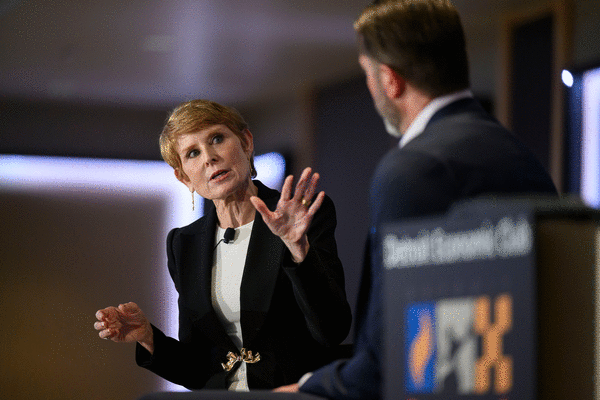
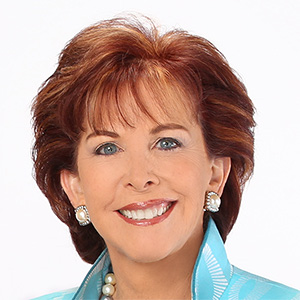
DETROIT — Gas prices might improve immediately following the deal between the United States and Iran to open the Strait of Hormuz, but it'll be months before scarcities and other supply disruptions ease, KPMG US's chief economist said in Detroit.
Diane Swonk, a U.S. economic adviser, noted that halted rubber glove production in Bangladesh will need to restart again, Iran needs to clear mines that were bombed, and it will take time for ships to clear the strait and get back in. Not even 30% to 50% of the oil that was traveling through the strait prior to the shutdown is expected to be shipped within months, she said.
"The scarcities in the room will get worse before they get better, but we'll get a little relief," Swonk said before the Detroit Economic Club on Tuesday at MotorCity Casino and Hotel. "We're already seeing some at the gas pump, but what we're worried about is the secondary pump."
The situation could continue to exacerbate an issue of inequality in the economy, which Swonk said worries her the most. Just 20% of households represent close to 60% of consumer spending, she noted. The compounded impact of inflation is a major strain.
"When you can only sell vehicles to the top 20% of earners, that's the only number of vehicles you can sell, and what we need to have is an economy that works more for more people," she said. "We are now in a place on income inequality — and it's even worse with wealth, as well — that is on par with emerging markets, not developing countries."
Although average numbers suggests wage growth has kept pace with inflation, Swonk said it's disguised by growth multiples above inflation for the highest earners. Meanwhile, lower earners haven't kept pace.
Swonk expressed her concerns about the impact of those struggling as others get by fine as "socially unstable."
"We need to be thinking more holistically about how do we include people in these decisions, and people have to be a part of the decision," Swonk said. "And that's what I worry about: is that we're not having these conversations."
She emphasized doubts that reshoring rhetoric shared during review talks of the United States-Mexico-Canada trade agreement will have as great of an economic impact as some suggest.
"It sounds good to say just cut it off and reduce it here, but that's going to be done with an automated plant," she said. "That's not going to be done the same way it was. We can't go back."
Meanwhile, the lack of clarity on future trade conditions is fueling hesitation and uncertainty for companies that could be investing and creating jobs, leading to a "tax on the economy," Swonk said.
One of her key suggestions to address inequality is more employee stock ownership plans, such as a tax-advantaged retirement benefit plan that gives workers an ownership stake in the company for which they work. The more successful the company, the more advantage to workers. It would help bring people together around a goal, Swonk said.
She also emphasized worker retraining. Men in particular are reluctant to take a lower-paying job and long bouts of unemployment put strain on mental health, marriages and children.
"We keep kicking the can down the road, but at some point in time something's got to give," she said, "and I don't want to see it being pitchforks."
For Hasan Shahid, 47, of Canton, Michigan, who works in commercial strategies for industrial markets, Swonk gave economic numbers a tangible impact.
"I love that she brings the human side of economics," he said.
Sherstin Heino said she's seen the human impact first-hand. A 38-year-old registered nurse in Windsor, Ontario, she has patients come in saying they're hungry and who she notices have lost weight.
"I appreciated she mentioned about the food banks being overrun," Heino said. "I see it all of the time. We're a first-world, developed country. We shouldn't be having this."
©2026 www.detroitnews.com. Visit at detroitnews.com. Distributed by Tribune Content Agency, LLC.




Comments