Slotkin, Moreno buck Trump with bipartisan Chinese car ban proposal
Published in Business News
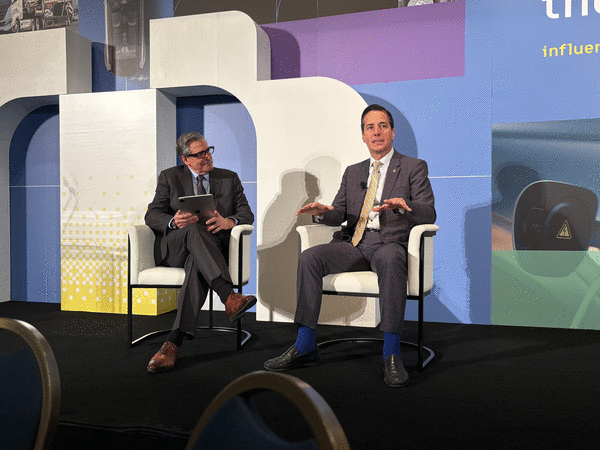
WASHINGTON — Two emerging leaders on Capitol Hill are teaming up for a bipartisan push to keep Chinese cars and trucks out of the United States.
Democratic U.S. Sen. Elissa Slotkin of Michigan and Republican U.S. Sen. Bernie Moreno of Ohio introduced a bill Wednesday to solidify barriers to China building its U.S. automotive presence. Their proposal would ban the import, manufacture and sale of internet-connected vehicles, software and hardware linked to China or other adversaries.
“As Europe, Mexico, and others allow their markets to be overrun by Chinese predators, the U.S. must act before it’s too late. The answer is simple: Chinese vehicles can never be allowed into the U.S. market — the fate of the American auto industry and countless autoworkers depends on it,” Moreno, a former auto dealer, said in a statement.
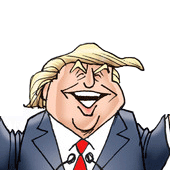
The bill introduction comes some two weeks before President Donald Trump, who has repeatedly signaled openness to allowing Chinese automakers to manufacture in the United States, prepares for a meeting next month with Chinese President Xi Jinping in Beijing.
"If they want to come in, and build the plant, and hire you and hire your friends and your neighbors, that's great," Trump told the Detroit Economic Club in January. "I love that. Let China come in. Let Japan come in. They are, and they'll be building plants, but they're using our labor."
Lawmakers and industry leaders have amped up messages to Trump and other administration officials ahead of the China visit. There is widespread and bipartisan concern on Capitol Hill that the United States would seriously damage its domestic auto industry by allowing ascendant Chinese companies to open new operations stateside.
"Chinese cars are a serious threat to America’s national security and Michigan’s economic security,” Slotkin, of Holly, said in a Wednesday statement. “Chinese cars are surveillance packages on wheels, with the ability to collect on American citizens and sensitive sites."
She continued: "The Chinese Communist Party’s playbook of heavily subsidizing their product, underselling the competition, and then having a monopoly over that sector puts Michigan’s auto industry and our millions of workers at risk. We need to act now, and get this right. I look forward to continued work on this bill with Senator Moreno, our workers, our manufacturers and anyone else to stop Chinese vehicles from ever coming into the United States.”
In addition to the bill introduced Wednesday, several groups of lawmakers — including both Slotkin and Moreno — have sent letters to the Trump administration on the topic. More than 70 U.S. House Democrats sent a letter on Tuesday, separate Republican and Democratic groups of senators sent messages earlier in April, and a House GOP letter is being circulated among lawmakers.
Michigan U.S. Rep. John Moolenaar, a Caledonia Republican who chairs the U.S. House Select Committee on the Chinese Communist Party, also sent his own letter in March to Treasury Secretary Scott Bessent about the dangers of allowing Chinese investment into the United States.
The White House, responding to the House Democrats' letter on Tuesday, dismissed the notion that it would jeopardize national security through business relationships with foreign companies. But it also did not rule out allowing the likes of BYD Co. or other major ascendant brands to set up manufacturing operations stateside.
“While the Administration is always seeking more investment into America’s industrial resurgence, any notion that we would ever compromise our national security is baseless and false,” White House spokesman Kush Desai said in a statement.
Moreno, a staunch Trump ally, has taken a more hawkish position on U.S. encroachment by China's growing auto industry.
“The American auto industry is the backbone of the American industrial economy, we cannot afford to make the same mistakes globalists have made for decades and see these great American companies devastated by predatory and massively subsidized Chinese state enterprises hellbent on the destruction of our economy,” the senator said Wednesday.
His bill with Slotkin is titled the "Connected Vehicle Security Act of 2026" and follows a similarly titled piece of legislation introduced by the Michigan senator last year. Her prior effort, among other goals, aimed to cement and expand upon a Biden-era Commerce Department rule that banned the import and sale of passenger vehicles containing internet-connected technology from companies in China with ties to the Chinese government.
The new effort is backed by the United Auto Workers union and General Motors Co., according to a press release.
"If we want to rebuild US manufacturing and raise standards for the working class, we can't keep offshoring and outsourcing our auto industry, driving a global race to the bottom for short term corporate profits. Our US auto industry must invest in cutting-edge technology and build affordable, high-quality vehicles for the American consumer, built by UAW autoworkers," union President Shawn Fain said in a statement.
He added: "By building on and strengthening the existing connected vehicles rule, this legislation puts common sense guardrails on a major threat to our nation’s auto industry,” he added.
A statement from GM included in a joint statement from Moreno and Slotkin said the company "commends" the senators for their bill.
The company added that it "supports policies that protect and strengthen American manufacturing and the global competitiveness of U.S. automakers, and we remain committed to long-term investments in our domestic workforce, facilities, and technology. As we have said many times, we can compete with anyone in the world when we are given a level playing field. We look forward to continuing to work with both offices through the legislative process.”
©2026 www.detroitnews.com. Visit at detroitnews.com. Distributed by Tribune Content Agency, LLC.






Comments