Recipes
/Home & Leisure
/ArcaMax

Gretchen's table: Why do takeout when you can make spicy Chinese beef at home?
It’s the rare diner who doesn’t love the occasional Chinese takeout.
It’s convenient, has extensive menu choices and, because it’s often intended to be shared, can be more affordable for a couple or family than traditional sit-down restaurants. Order enough, and there’s also the thrill of leftovers.
Yet given the laundry list of ...Read more
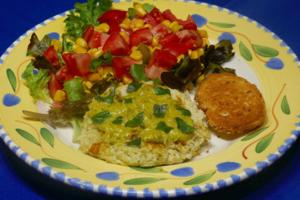
Quick Fix: Pesto Crab Cakes and Tomato Corn Salad
I decided to give my usual Maryland-style crab cakes a fresh twist by incorporating a vibrant new flavor. A touch of pesto blended into the mayonnaise adds a bright note that complements the sweetness of the crab without overpowering it. Finished with a sprinkle of fresh basil, the cakes feel light, fragrant and perfect for warm weather.
I ...Read more
Rapid Refried Beans
This quick and hearty dish of refried beans is a staple of Mexican cuisine. Full of flavor and done in no time, it's the perfect side or filling for your favorite Mexican dishes.
Ingredients: 1 can pinto beans 1 onion 2 cloves garlic 1 tsp cumin Salt and pepper to taste Olive oilInstructions: Sauté the chopped ...Read more

Lunar Lullaby Lemon Bars
Experience the calming lullaby of a lunar night with these bright and tangy lemon bars. As soothing and refreshing as the moon's glow, this dessert is a bite of lunar magic on Earth.
Ingredients 1 cup all-purpose flour 1/4 cup sugar 1/2 cup butter, softened 1 cup lemon curdInstructions Preheat your oven to 350°F (175°C)...Read more

Avocado-Banana Smoothie
Jumpstart your day with this creamy, rich, and nutrient-packed smoothie. It's a delightful blend of heart-healthy avocado and sweet banana.
Ingredients: 1 ripe avocado 1 ripe banana 1 cup almond milk 1 tbsp honey Ice cubesInstructions: Blend all the ingredients together until smooth.
Pour into a glass and ...Read more

'Bad Decision for a Good Cause:' August event in Chicago looks to set Malört world record
CHICAGO — From most cookies dunked in milk at one time to most sweet corn kernels eaten in 3 minutes with a toothpick, the Chicago area has seen its fair share of attempts at setting niche food-related world records. The next comes in August, when Jeppson’s Malört hopes to gather hundreds of fans to set the world record for most people ...Read more
Express Eggplant Parmesan
This streamlined version of Eggplant Parmesan is just the ticket for an easy yet authentic Italian meal. Crispy, cheesy, and full of rich tomato flavor.
Ingredients: 1 large eggplant 1/2 cup flour 2 eggs 1/2 cup breadcrumbs 1 cup marinara sauce 1/2 cup mozzarella cheese 1/4 cup grated Parmesan cheeseInstructions: ...Read more

Heavenly Hummus Dip
Experience the magic of the Middle East with this simple and tasty dip. Heavenly Hummus Dip is a journey into the rich culinary heritage of this enchanting region.
Ingredients Chickpeas Tahini Lemon juiceInstructions Blend the chickpeas, tahini, and lemon juice until smooth.
Serve it with your favorite vegetables ...Read more

Ravishing Roe Blinis
Experience a touch of sophistication with these elegant appetizers. Ravishing Roe Blinis are a testament to the allure of minimalism.
Ingredients Blinis Crème fraîche Roe (fish eggs)Instructions Spread crème fraîche on the blinis.
Top each with a spoonful of roe.
Each bite is a lavish exploration of ...Read more
Quick Creamy Cucumber Salad
This refreshing German salad is a light and creamy side dish that's quick to prepare!Ingredients: 2 cucumbers, sliced 1/2 cup sour cream 1 tbsp dill Salt and pepper to tasteInstructions: Mix sour cream, dill, salt, and pepper to make the dressing.
Toss the cucumbers in the dressing.
This Quick Creamy Cucumber ...Read more
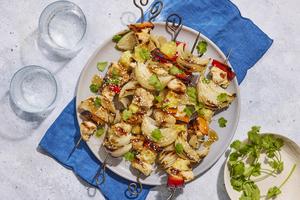
EatingWell: Turn up the heat one skewer at a time
These grilled chicken kebabs are sweet and hot thanks to hot honey, juicy chunks of pineapple and the grill itself, which caramelizes the bell peppers, onion and chicken pieces to smoky perfection. Because the glaze (and the pineapple) are sweet, the kebabs may burn if left in one spot for too long. Be sure to move them from any hot spots on the...Read more

Seriously Simple: This bright soup tastes like pure summertime
Chilled soups are light, flavorful, refreshing and Seriously Simple to prepare. They can be made well in advance to allow them to chill properly. This means that you can prepare your soup early in the day (when it’s cooler in the kitchen) or even the day before, a real boon to the summer cook. And best of all, these soups cool us off when the ...Read more

Vanilla bean there, done that? Think again
At the local ice cream shop, my 4-year-old granddaughter asked her mother to read the names of every flavor posted. Two-dozen descriptions later, the 4-year-old ordered vanilla. She declared it perfect. Smart child.
Why anyone would classify vanilla as basic, I’ll never understand. It truly is one of the most complex flavors and aromas in the...Read more

Environmental Nutrition: Functional food and beverages can support long-term health
Q: What are functional food and beverages?
Q: Functional foods and beverages are becoming a staple in modern nutrition, offering benefits that go beyond basic nourishment. These products provide essential nutrients while also delivering bioactive compounds — such as probiotics, antioxidants or omega-3 fats — that can support overall health ...Read more

The Kitchn: My cherry turnovers are the star of every brunch
Cherry turnovers are the kind of breakfast treat that makes slow mornings feel special — crisp, flaky puff pastry wrapped around a gooey, sweet-tart cherry filling and finished with a glossy glaze.
...Read more

The Kitchn: My chicken spiedini are the easiest skewers I’ve ever made
Spiedini is an Italian dish often made with beef cooked on skewers, though there are versions that include vegetables and other proteins as well, like chicken. I cook a lot of chicken at my house: oven roasted chicken thighs, homeandleisure/recipes/varietymenu/s-4217418">Read more
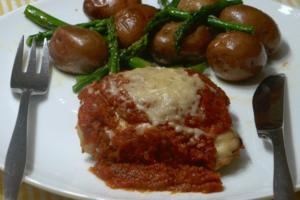
Quick Fix: Savory Oven-Baked Chicken Thighs with Roasted Potatoes and Asparagus
For this easy, hands-off dinner, the oven does all the work. Bone-in chicken thighs, coated in rich pasta sauce, roasted on a sheet pan will stay tender, juicy, and full of flavor.
To save time, the potatoes and asparagus get a head start in the microwave before finishing alongside the chicken, soaking up all those delicious pan juices. Lining...Read more

2 Guinness recipes you can eat instead of sip
Most of the time, Guinness is enjoyed exactly how Arthur Guinness envisioned it when he started brewing the dark-colored but light-bodied Irish dry stout more than 200 years ago: in a pint glass with its signature creamy head.
But it also can be the surprise ingredient in any number of dishes, including savory stews and grilling or braising ...Read more

Don't tell me how many calories. I don't wanna know
There is one joke in "Animal House" that everybody laughs at, but I don't.
It's the motto of Faber College, which is revealed to be "Knowledge is Good." I never saw why that is funny. I agree with the founder of the school, the fictional Emil Faber. Knowledge is good.
Maybe it would sound better if it were expressed in Latin: Scientia bona est...Read more

Weight loss drug use has skyrocketed. Has it changed the way people dine out?
MIAMI -- When she was approached to create the menu for Cerveceria La Tropical a few years back, chef Cindy Hutson knew what CEO Manny Portuondo wanted to serve: Cuban food that would effortlessly complement the tap room offerings. The Wynwood brewery was reviving Cuba’s oldest beer, and salty fried cuisine seemed like the perfect pairing.
...Read more
Inside Recipes
Related Channels

America's Test Kitchen
By America's Test Kitchen
ArcaMax Chef
By ArcaMax Chef

Ask The Builder
By Tim Carter

Ask The Vet
By Dr. Lee Pickett

Celebrity Travel
By Jae-Ha Kim

Dear Monty
By Richard Montgomery

Do It Yourself Or Not
By Gene and Katie Hamilton

Eric's Autos
By Eric Peters

Everyday Cheapskate
By Mary Hunt

Focus on the Family
By Jim Daly

Georgia Garvey
By Georgia Garvey

Here's How
By

Jeff Rugg
By Jeff Rugg

Lenore Skenazy
By Lenore Skenazy

Living Space
By Kathryn Weber

My Pet World
By Cathy M. Rosenthal

Real Estate Matters
By Ilyce R. Glink and Samuel J. Tamkin

Recipes by Zola
By Zola Gorgon

Rick Steves' Europe
By Rick Steves' Europe

Taking The Kids
By Eileen Ogintz

Travel & Adventure
By Various authors

Travel Troubleshooter
By Christopher Elliott
Comics