
Taking the Kids: Let’s celebrate Juneteenth



The message took a long time to get to the destination. More than two and a half years after the Emancipation Proclamation on Jan. 1, 1863, and months after the Confederate surrender at Appomattox, Union troops finally arrived in Galveston, Texas, announcing the end of slavery. It was June 19, 1865.
"The people of Texas are informed that, in accordance with a proclamation from the Executive of the United States, all slaves are free," Major General Gordon Granger read. That order effectively freed 250,000 enslaved Black people in Texas.
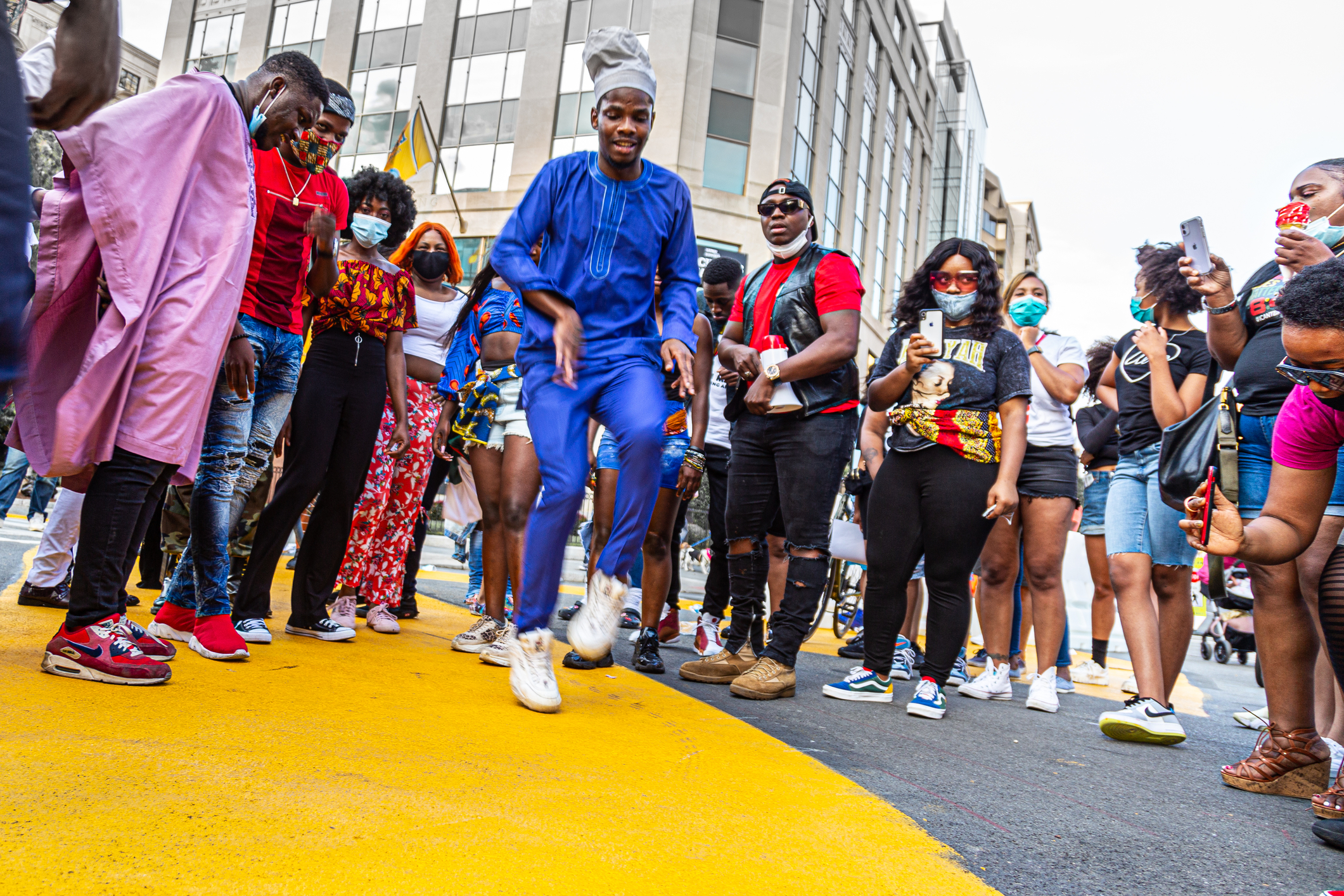
Celebrations started soon after with an organized Jubilee Day in Texas the following year. As families migrated across the country, celebrations spread with prayer services, and public readings of the Emancipation Proclamation. Celebrants ate red-colored foods (think: red beans and rice, okra with tomatoes, red velvet cake, watermelon) that traditionally symbolize resilience and joy. There was a lot of music and dancing.
The "Juneteenth” holiday was an important part of African American culture, but until the Civil Rights Movement in the 1960s, it wasn’t widely celebrated outside the Black communities, mostly because of Jim Crow segregation.
In 1980, Texas became the first state to make Juneteenth an official state holiday, and on June 17, 2021, President Joe Biden signed the Juneteenth National Independence Day Act, making June 19 an official federal holiday.
Juneteenth today is celebrated across the country with parades, music festivals, traditional foods and street parties that draw thousands.
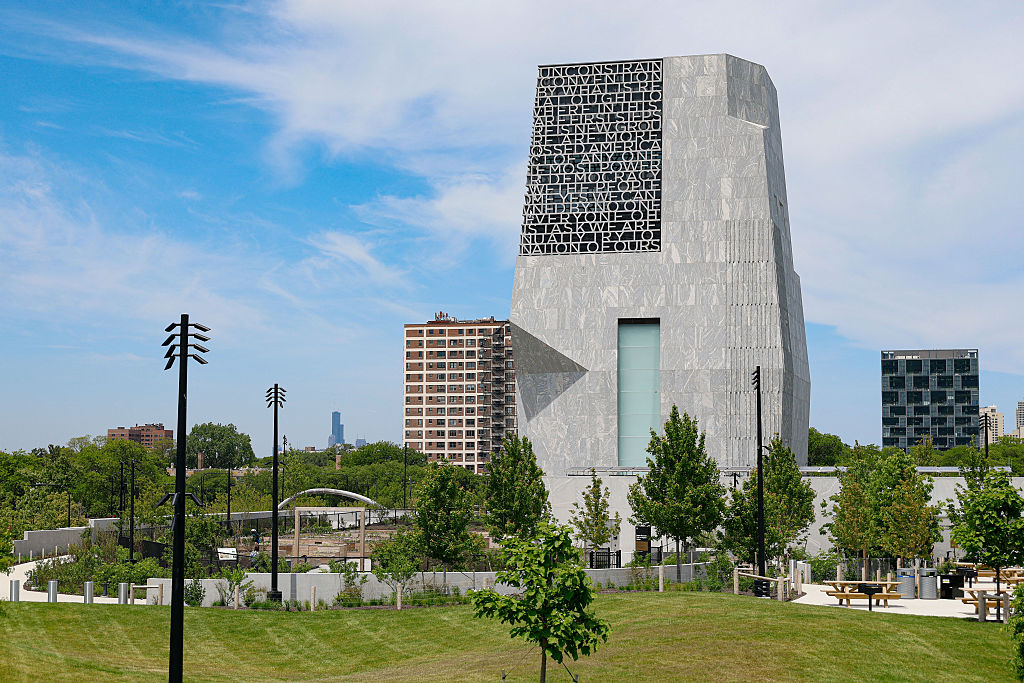
The newly finished Obama Presidential Center in Chicago, a museum, library and education project, is officially opening June 19. It includes a grand opening weekend complete with free live performances, family-friendly activities, food, art and storytelling across the expansive campus on Chicago’s South Side.
The National Museum of African American History and Culture in Washington, D.C., is celebrating throughout June, including giving a much-deserved shout out to Opal Lee, considered the “Grandmother of Juneteenth.” A Texas educator, she was instrumental in the effort to make Juneteenth a federal holiday.
Starting in 2016, when she was 89, Lee began walking from Fort Worth, Texas, to Washington, D.C., – 2.5 miles a day to symbolize the two and a half years enslaved people in Texas waited to learn they had been freed by the Emancipation Proclamation. Along the way, she gathered a petition with 1.5 million signatures to present to Congress. (Explore the museum’s digital Juneteenth toolkit.)
At the museum’s Juneteenth Community Day, Lee will be honored as she celebrates her 100th birthday later this year.
There will be a Juneteenth Cookout Playbook exploring how to plan Juneteenth cookouts inspired by Lee’s favorite dishes, highlighting food as an expression of heritage and community, art making with the color red, music and more.
The museum will also debut two new fine arts exhibitions Friday, June 12, “Revelation: A Journey into Abstraction” and “Reset: Abstraction Embodied in Design.” Together, the exhibitions explore how abstraction has shaped African American artistic expression across painting, sculpture, printmaking, furniture, textiles and lighting.
Enjoy a Juneteenth menu at the museum’s Sweet Home Café inspired by African American culinary traditions, offering visitors another way to celebrate the holiday through food and culture.
Big city celebrations are everywhere. Some are multi-day festivals. Some events are on June 20:
Enjoy!
========
(For more Taking the Kids, visit www.takingthekids.com and also follow TakingTheKids on Twitter, Facebook and Instagram where Eileen Ogintz welcomes your questions and comments. The fourth edition of The Kid’s Guide to New York City and the third edition of The Kid’s Guide to Washington D.C. are the latest in a series of 14 books for kid travelers published by Eileen.)
©2026 Eileen Ogintz. Distributed by Tribune Content Agency, LLC.
(c) 2026 DISTRIBUTED BY TRIBUNE MEDIA SERVICES, INC.








Comments