
Rick Steves’ Europe: Finding good solitude on Great Blasket Island
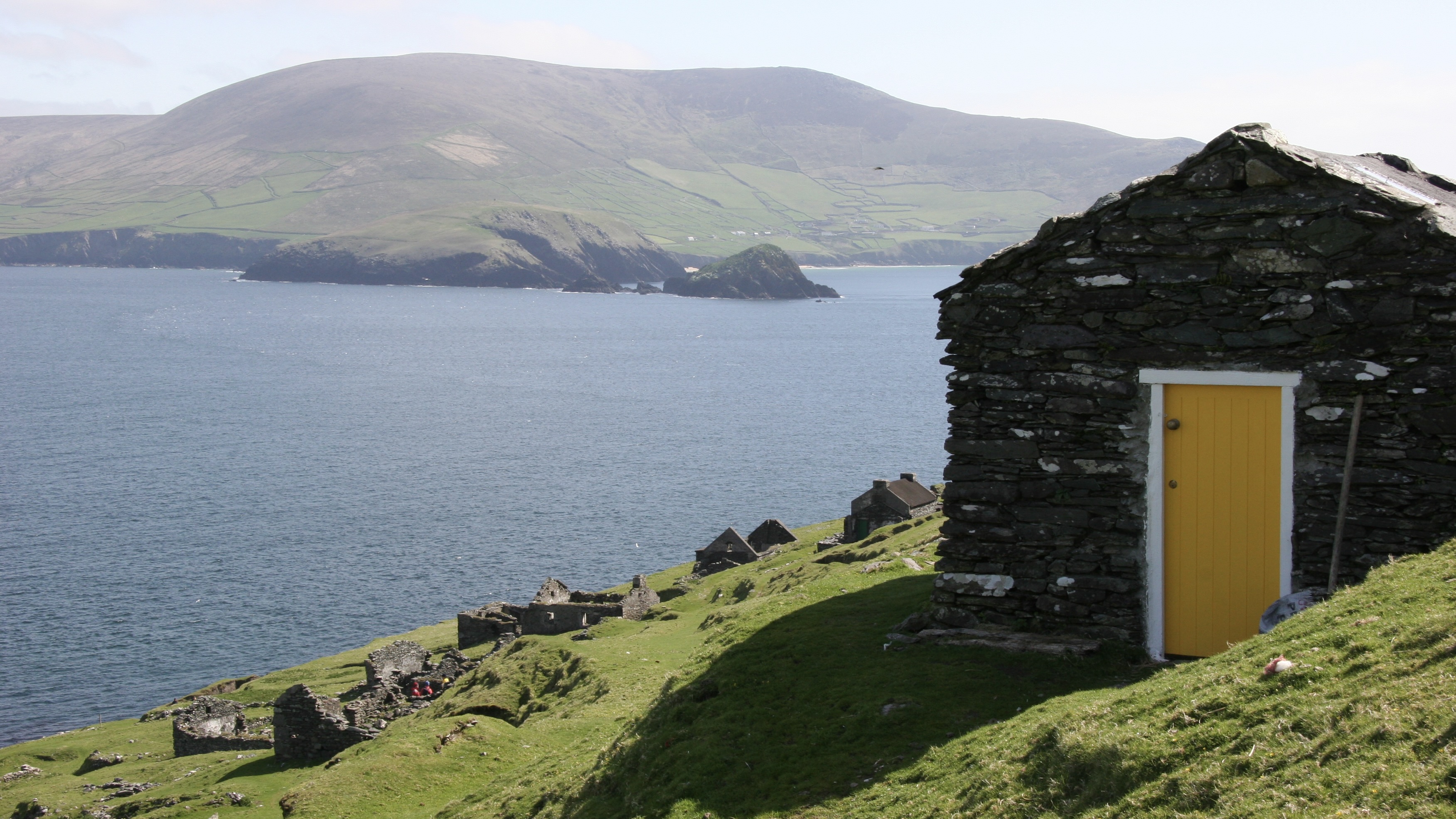


Imagine blinking away the ocean spray as your inflatable dinghy bumps its way to a rocky pier — the only access point to an island that houses the eerie remains of a once-vibrant Irish culture. After disembarking, the captain says, “We’ll pick you back up in four hours.” It’s now just you, a handful of fellow travelers, and the lonesome island.
There are few better places in Europe to really “get away from it all” than Ireland’s Great Blasket Island. This mossy mound is the largest of The Blaskets, a group of rugged islands that float just off the Dingle Peninsula. It takes a sea-tumbled journey to get here, but those who make the effort are rewarded with an authentic look at traditional Irish life, far removed from the tourist crowds.
The community on Great Blasket was one of the final outposts of ancient Gaelic culture. Life here was hard, but manageable. On this treeless island, residents were completely exposed to the elements and had to cut peat for fuel. Each family had a cow, a few sheep, and a plot of potatoes and oats. Islanders harvested fish from the sea, which always provided, so nobody went hungry. World War I provided an occasional windfall, as valuable cargo washed ashore from merchant ships sunk by U-Boats.
Because they were not entirely dependent on the potato, Islanders survived the Great Famine relatively unscathed — and at its peak, Great Blasket Island was home to around 180 people. But its population dwindled in the 20th century, with many young Islanders leaving for a better, safer, and more exciting life on the mainland. In the 1950s, the Irish government moved the last handful of elderly residents off the island because the crossing was too difficult to guarantee services in case of an emergency.
And for present-day visitors, that crossing remains a challenge. To reach Great Blasket Island, you must take a boat across a particularly angry stretch of the Atlantic. This is the westernmost point of Ireland, meaning the Blaskets are exposed to whatever the sea throws at them. When the weather is bad — which it often is — locals say the waves “charge in like white horses.” Not only is the crossing often rough, but boats cannot dock directly on the island, so you cover the final few hundred feet in a skiff before landing on a rope-lined, slip-and-slide “pier” of rocks.
When the skies are clear, visitors are treated to thrilling views of the cliffs along the Dingle coastline and glimpses of exotic wildlife (dolphin and puffin sightings are common). While many of Dingle’s sightseeing cruises include views of Great Blasket from the boat, only a few vessels actually drop visitors off here. Your best bet is the Great Blasket Island Experience, which leaves from Dingle Town, or the Blasket Ferry, which shuttles passengers from Dunquin harbor at the far west end of the peninsula.
Dunquin is also home to the Blasket Centre, a top-notch museum that thoughtfully covers the history and culture of Blasket Islanders. If you’re heading to Great Blasket, visit here first to learn about the rich sound of the Gaelic language, hear first-person accounts of life on the island, and explore its impressive literary history. From this simple but proud community came three writers of international acclaim — Peig Sayers, Thomas O’Crohan, and Maurice O’Sullivan — whose tales of life on Great Blasket Island have been translated from their original Gaelic into many languages.
Visiting Great Blasket Island is not for the faint of heart, but once you disembark and regain your "land legs," you're swallowed up by the compelling solitude. On the plateau just above the pier are the ghostly remains of the abandoned fishing village. On most days, guides lead tours through the vacated stone structures, offering glimpses into a hardy, archaic lifestyle that survived well into the 20th century. The island has one working bathroom, a tiny café, and even a few rudimentary cabins for rent.
But the best thing to do here is hike. The long, thin island is flanked by easy-to-follow trails that meet in the middle and continue up toward a 950-foot summit. Bring good shoes: The mossy terrain soaks up moisture, and walking here can be like stomping on wet sponges. Distract yourself from your damp feet with gripping views down steep cliffs, across unobstructed grassy hillside, and out to the Atlantic Ocean...where the next land over is America.
Standing on that trail feels very edge-of-the-world. This untrampled island seems particularly close to the Gaelic soul, yet starkly disconnected from today’s Emerald Isle. Forget Guinness, trad music, and any fear of a tourist trap...other than the chance for dreary, drizzly weather, Great Blasket Island offers an experience unlike any other you’ll have in Ireland.
========
(Rick Steves (www.ricksteves.com) writes European guidebooks, hosts travel shows on public TV and radio, and organizes European tours. This column revisits some of Rick's favorite places over the past two decades. You can email Rick at rick@ricksteves.com and follow his blog on Facebook.)
©2026 Rick Steves. Distributed by Tribune Content Agency, LLC.
(c)2026 RICK STEVES DISTRIBUTED BY TRIBUNE MEDIA SERVICES, INC.









Comments