
Environmental Nutrition: Understanding the concept of ‘seed cycling’
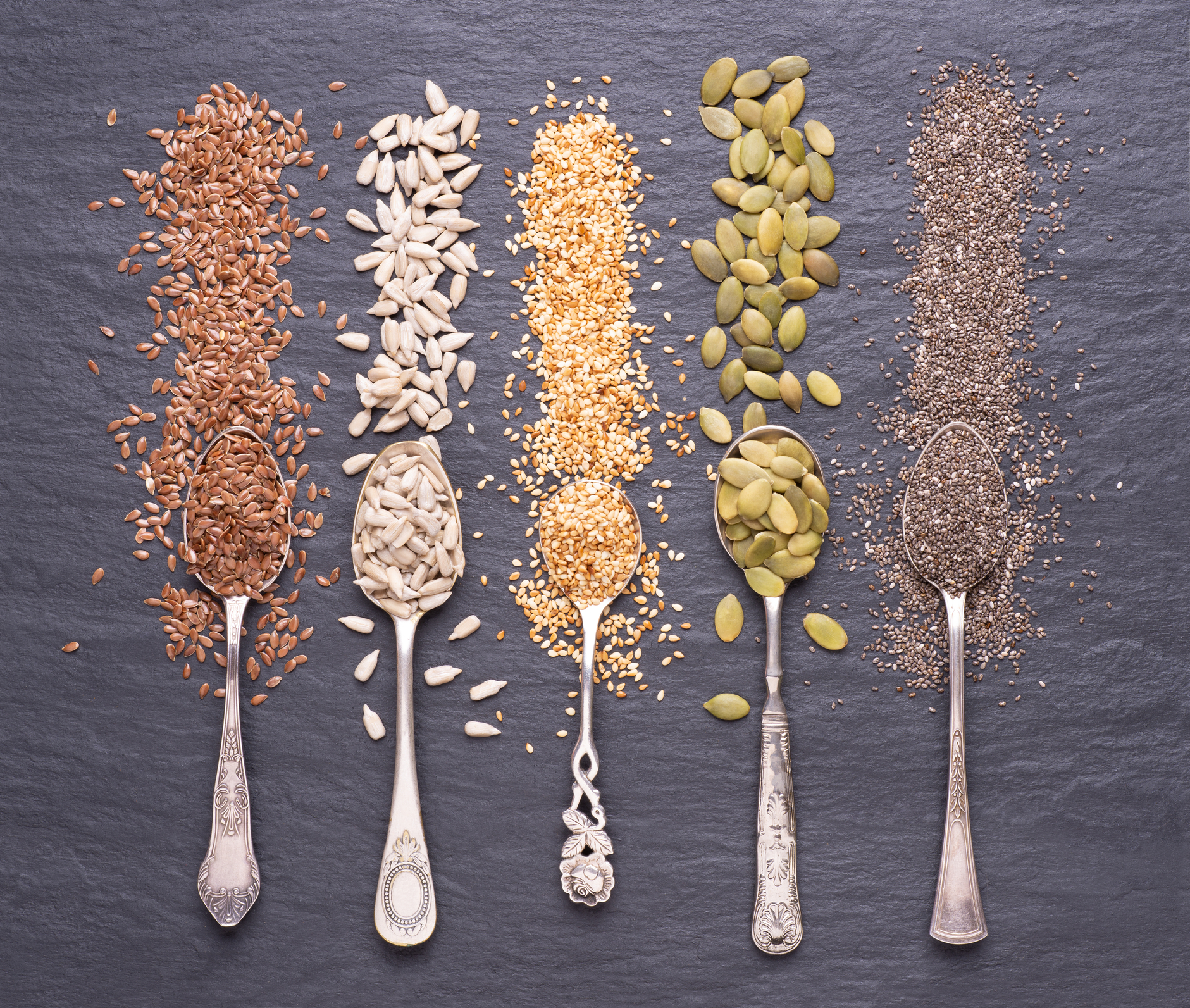
Proponents of seed cycling claim that eating certain types of seeds during different phases of the menstrual cycle can help regulate hormone levels and support reproductive health.
Seed cycling divides the menstrual cycle into two halves. During the first two weeks (the follicular phase), flax and pumpkin seeds are eaten daily. In the second two weeks (the luteal phase), sunflower and sesame seeds are consumed instead. Supporters claim this pattern helps balance estrogen and progesterone levels throughout the cycle. Seed cycling may reduce symptoms of premenstrual syndrome (PMS) and polycystic ovary syndrome (PCOS), regulate menstrual cycles, improve fertility, and lessen hot flashes during menopause.
Scientific evidence does not currently support the hormone-balancing claims associated with seed cycling. While flax and sesame seeds contain lignans — plant compounds that can influence estrogen activity in laboratory and animal studies, this does not necessarily translate to meaningful hormone changes in humans. Research examining lignan intake in menstruating women has not shown measurable effects on circulating hormone levels.
Studies in postmenopausal women offer additional context. Even when participants consumed flaxseed amounts that provided higher levels of lignans than those typically eaten in seed cycling protocols, the effects on hormone-related symptoms were no different from placebo. This suggests that any perceived benefits may be due to expectation, overall diet quality, or other lifestyle factors rather than the timing of seed intake itself.
That said, seeds are definitely nutritious. Flax, pumpkin, sunflower, and sesame seeds provide fiber, protein, healthy fats, vitamins, and minerals. Include a variety of seeds to boost nutrient intake.
In short, there’s likely no harm in eating seeds — or even rotating them — if you enjoy the practice. However, there’s currently no evidence that timing seed consumption to your menstrual cycle has specific hormone-balancing benefits. For hormone health, focusing on a balanced diet, adequate sleep, stress management, and regular physical activity remains the most evidence-based approach.
(Environmental Nutrition is the award-winning independent newsletter written by nutrition experts dedicated to providing readers up-to-date, accurate information about health and nutrition in clear, concise English. For more information, visit www.environmentalnutrition.com.)
©2026 Belvoir Media Group, LLC. Distributed by Tribune Content Agency, LLC.









Comments